
Hotel door locks: Why Did Hotels Move Away From Key Locks?
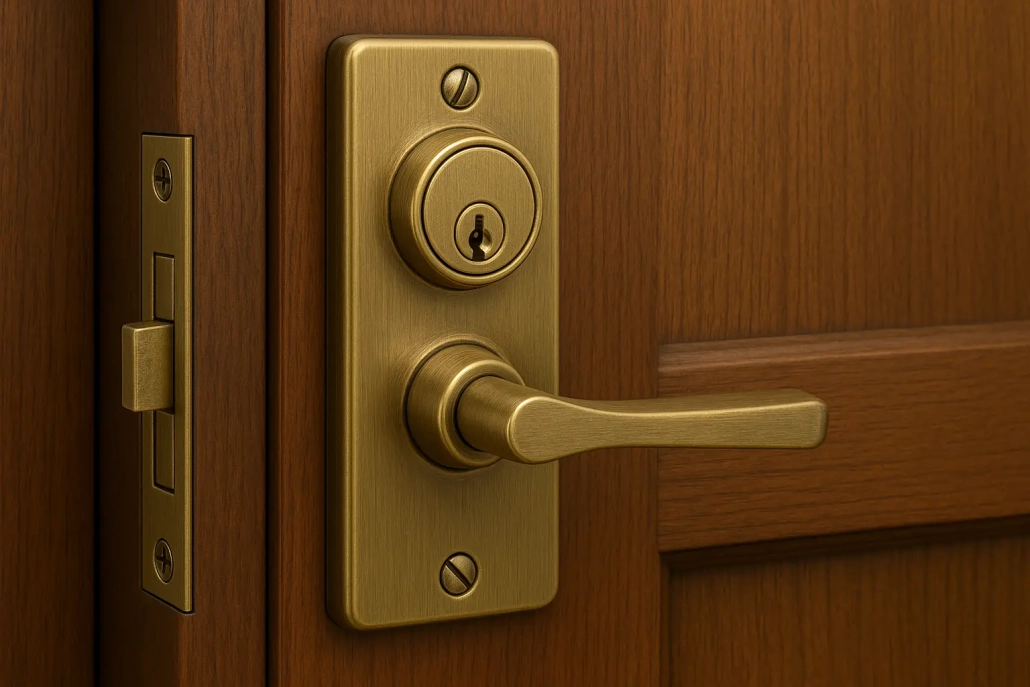
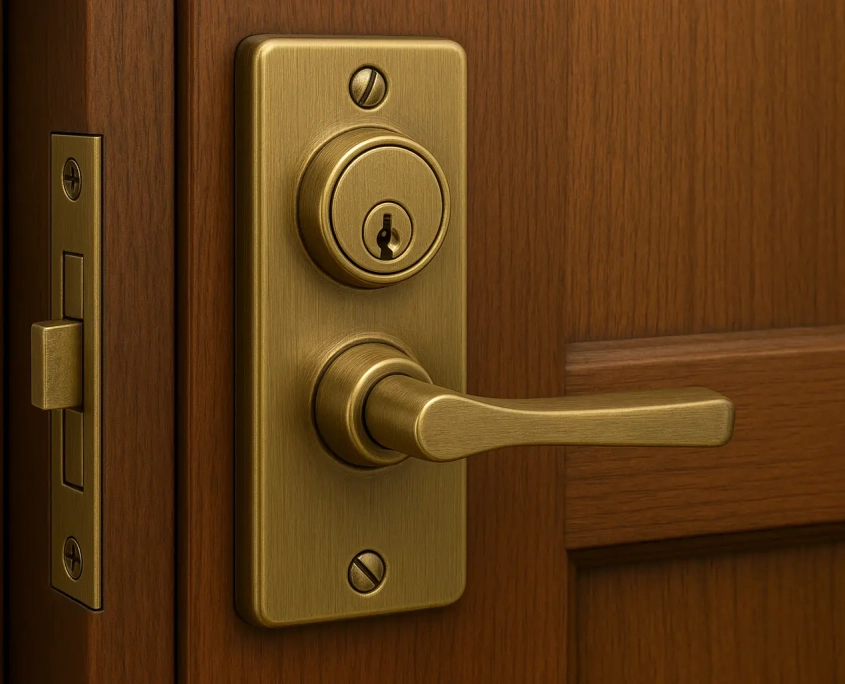
For decades, the jingle of metal keys was a familiar sound in hotel lobbies. Guests would check in, receive a physical key (often attached to a bulky keychain with the hotel’s logo), and manually unlock their rooms. But over the past 20 years, traditional key locks have largely disappeared from hotels, replaced by key cards, mobile entry, and advanced digital systems.
Why did this shift happen? The transition from mechanical locks to electronic access was driven by security concerns, operational efficiency, cost savings, and guest convenience. In this article, we’ll explore the key reasons hotels abandoned physical keys and how modern locking systems have transformed the hospitality industry.
1. Security: The Biggest Weakness of Traditional Keys
The most pressing issue with metal keys was security vulnerability. Unlike electronic systems, physical keys could be:
- Easily duplicated – A guest could make a copy at a hardware store without the hotel’s knowledge.
- Lost or stolen – If a key went missing, the hotel had to rekey the entire lock, an expensive and time-consuming process.
- Used after checkout – Guests could keep keys and return later to access the room unless the lock was manually rekeyed.
Electronic key cards and mobile keys solve these problems by:
- Expiring automatically (after checkout or a set time).
- Being easily deactivated if lost or stolen.
- Offering unique, encrypted codes that can’t be copied like metal keys.
The Rise of Magnetic Stripe & RFID Cards
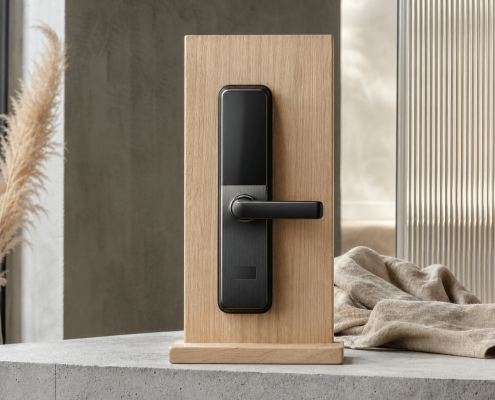
In the 1980s and 1990s, hotels began adopting magnetic stripe key cards, followed by RFID (radio-frequency identification) cards in the 2000s. These provided:
- One-time-use codes for each guest.
- Remote deactivation from the front desk.
- Audit trails (hotels could track who entered a room and when).
2. Convenience for Guests and Staff
Beyond security, hotels switched to electronic systems because they improved the guest experience and streamlined operations.
For Guests:
- No more lost keys – If a key card is misplaced, the front desk can instantly issue a new one without changing locks.
- Faster check-in/check-out – Mobile keys (via smartphone apps) allow contactless entry, reducing front desk wait times.
- Integration with other services – Some hotels link key cards to room charges, elevators, and loyalty programs.
For Hotels:
- Easier room management – Staff can remotely assign, block, or reset room access without physically changing locks.
- Energy savings – Some systems automatically adjust thermostats and lights when guests leave, cutting costs.
- Reduced labor – Fewer lock changes mean less maintenance work for staff.
3. Cost Savings Over Time
While electronic systems require an initial investment, they save hotels money in the long run:
- No rekeying costs – Traditional locks required new keys and lock cylinders for each lost key.
- Fewer break-ins – Digital systems reduce unauthorized access, lowering theft and liability risks.
- Lower staffing needs – Automated systems reduce the need for manual key management.
4. The Shift to Mobile Keys & Smart Locks
The latest trend is mobile-based entry, where guests use their smartphones to unlock doors via:
- Bluetooth (e.g., Marriott’s Mobile Key)
- NFC (Near Field Communication) (like Apple Wallet keys)
- QR codes (used by some boutique hotels)
Why Mobile Keys Are the Future:
No physical key or card needed – Guests just use their phone.
Seamless check-in – No front desk visit required.
Enhanced security – Biometric authentication (like Face ID or fingerprint scans) adds extra protection.
Conclusion: Why Hotels Ditched Key Locks for Good
The move from metal keys to electronic access was inevitable. With better security, cost savings, and improved guest convenience, digital locks have become the industry standard. As mobile keys and smart locks gain popularity, the classic hotel key may soon be a relic of the past—just like rotary phones and paper maps.
For travelers, this shift means faster check-ins, fewer security worries, and a more seamless stay. For hotels, it means lower costs, easier management, and happier guests—a win-win for everyone.
Would you prefer a traditional key or a digital entry system on your next hotel stay? The answer is clear for most Americans: technology wins.
Related Blog
 https://www.keyplusystem.com/wp-content/uploads/2026/10/image-20261010-080119085.png
1024
1536
Wu, Wendy
/wp-content/uploads/2023/05/logo.png
Wu, Wendy2026-10-10 06:01:302026-10-10 06:01:31Driving Hotel Efficiency with Advanced Digital Door Locks: The Ultimate B2B Guide
https://www.keyplusystem.com/wp-content/uploads/2026/10/image-20261010-080119085.png
1024
1536
Wu, Wendy
/wp-content/uploads/2023/05/logo.png
Wu, Wendy2026-10-10 06:01:302026-10-10 06:01:31Driving Hotel Efficiency with Advanced Digital Door Locks: The Ultimate B2B Guide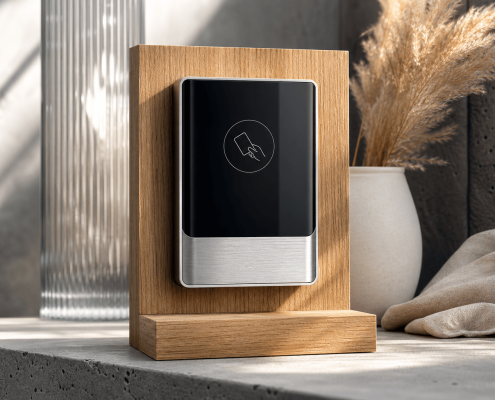 https://www.keyplusystem.com/wp-content/uploads/2026/10/image-20261010-000134148.png
1024
1536
Wu, Wendy
/wp-content/uploads/2023/05/logo.png
Wu, Wendy2026-10-09 22:01:442026-10-09 22:01:46Revolutionizing Hotel Security: RFID Key Cards and AIoT Smart Lock Solutions by KEYPLUS
https://www.keyplusystem.com/wp-content/uploads/2026/10/image-20261010-000134148.png
1024
1536
Wu, Wendy
/wp-content/uploads/2023/05/logo.png
Wu, Wendy2026-10-09 22:01:442026-10-09 22:01:46Revolutionizing Hotel Security: RFID Key Cards and AIoT Smart Lock Solutions by KEYPLUS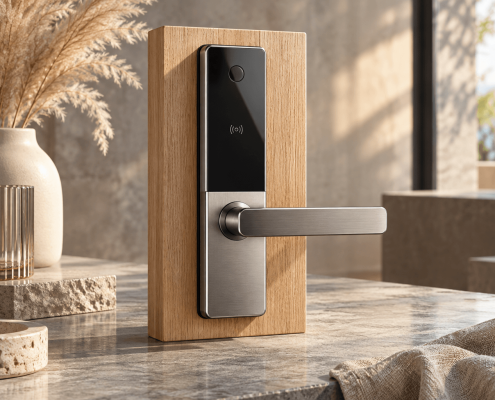 https://www.keyplusystem.com/wp-content/uploads/2026/10/image-20261009-160126393.png
1024
1536
Wu, Wendy
/wp-content/uploads/2023/05/logo.png
Wu, Wendy2026-10-09 14:01:362026-10-09 14:01:38The Future of Hospitality: Wireless Hotel Lock Systems Powered by KEYPLUS
https://www.keyplusystem.com/wp-content/uploads/2026/10/image-20261009-160126393.png
1024
1536
Wu, Wendy
/wp-content/uploads/2023/05/logo.png
Wu, Wendy2026-10-09 14:01:362026-10-09 14:01:38The Future of Hospitality: Wireless Hotel Lock Systems Powered by KEYPLUS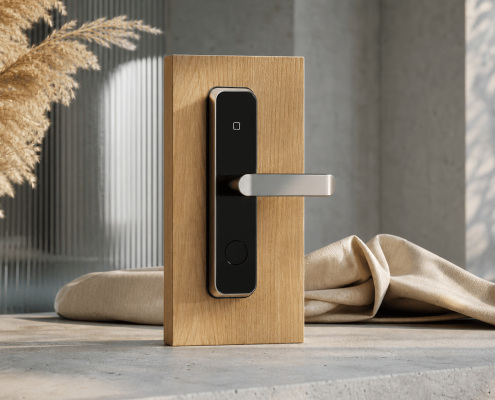 https://www.keyplusystem.com/wp-content/uploads/2026/10/image-20261009-080202455.png
1024
1536
Wu, Wendy
/wp-content/uploads/2023/05/logo.png
Wu, Wendy2026-10-09 06:02:152026-10-09 06:02:17Revolutionizing Hotel Security: The Future of Smart Locks for Hospitality Spaces
https://www.keyplusystem.com/wp-content/uploads/2026/10/image-20261009-080202455.png
1024
1536
Wu, Wendy
/wp-content/uploads/2023/05/logo.png
Wu, Wendy2026-10-09 06:02:152026-10-09 06:02:17Revolutionizing Hotel Security: The Future of Smart Locks for Hospitality Spaces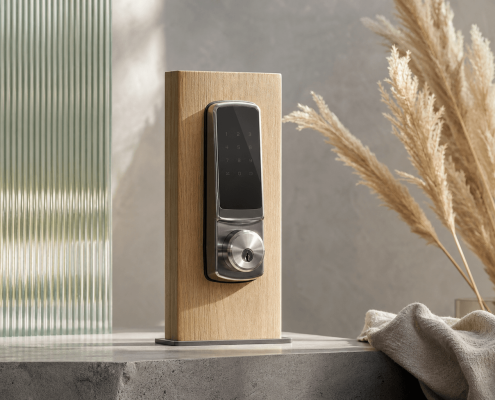 https://www.keyplusystem.com/wp-content/uploads/2026/10/image-20261009-000116876.png
1024
1536
Wu, Wendy
/wp-content/uploads/2023/05/logo.png
Wu, Wendy2026-10-08 22:01:272026-10-08 22:01:29Revolutionizing Hotel Room Security: How Smart Locks Enhance Guest Safety and Operational Efficiency
https://www.keyplusystem.com/wp-content/uploads/2026/10/image-20261009-000116876.png
1024
1536
Wu, Wendy
/wp-content/uploads/2023/05/logo.png
Wu, Wendy2026-10-08 22:01:272026-10-08 22:01:29Revolutionizing Hotel Room Security: How Smart Locks Enhance Guest Safety and Operational Efficiency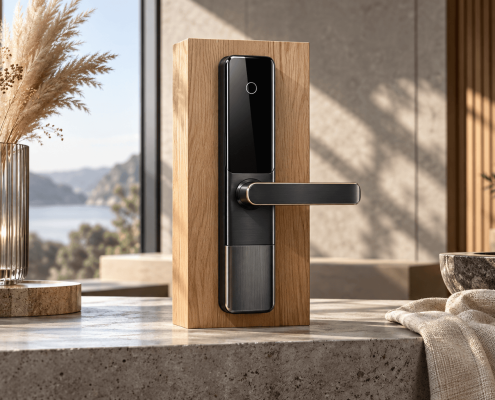 https://www.keyplusystem.com/wp-content/uploads/2026/10/image-20261008-080144553.png
1024
1536
Wu, Wendy
/wp-content/uploads/2023/05/logo.png
Wu, Wendy2026-10-08 06:01:552026-10-08 06:01:57Why Portable Locks are a Game-Changer for Modern Hotel Room Security
https://www.keyplusystem.com/wp-content/uploads/2026/10/image-20261008-080144553.png
1024
1536
Wu, Wendy
/wp-content/uploads/2023/05/logo.png
Wu, Wendy2026-10-08 06:01:552026-10-08 06:01:57Why Portable Locks are a Game-Changer for Modern Hotel Room Security
