
What Happens When a Smart Lock Loses Power?
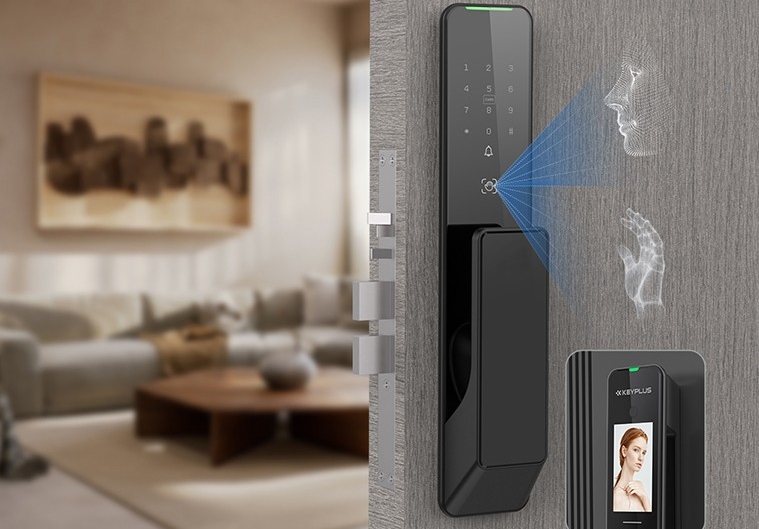
Smart locks have revolutionized home security, offering keyless entry, remote access, and seamless integration with smart home systems. However, one common concern among homeowners is: What happens if my smart lock loses power?
Whether due to dead batteries, electrical issues, or a power outage, a smart lock without power can be inconvenient—but not necessarily a disaster. In this guide, we’ll explore:
-
How different smart locks handle power loss
-
Backup power options
-
How to regain access if your smart lock dies
-
Best practices to prevent lockouts
By the end, you’ll know exactly how to prepare for—and handle—a smart lock power failure.
How Smart Locks Get Power (And What Happens When They Don’t)
Most smart locks operate on battery power, typically using AA or AAA batteries. Some high-end models may have hardwired electrical connections, but battery-powered locks are far more common in American homes.
1. Battery-Powered Smart Locks
These rely on replaceable batteries, usually lasting 6 months to 2 years, depending on usage. When batteries run low:
-
The lock will warn you via app notifications, beeps, or LED indicators.
-
You’ll still have keypad or touch access for a short time.
-
Eventually, the lock will stop responding to digital commands.
What happens when the batteries die completely?
-
If the lock has a mechanical key override, you can still unlock it with a physical key.
-
If it’s a keyless smart lock, you may need an alternative way in (more on this later).
2. Hardwired Smart Locks
These are less common but may be found in high-security or commercial settings. They connect directly to your home’s wiring.
-
If the power goes out, some have battery backups to keep functioning.
-
If there’s no backup, the lock may default to locked or unlocked, depending on the model.
Backup Power Options for Smart Locks
To avoid being locked out, many smart locks include backup power solutions:
1. 9V Battery Emergency Power
Some locks have external terminals where you can press a 9V battery to provide temporary power.
Pros: Quick fix in an emergency.
Cons: Not all locks have this feature.
2. Rechargeable Battery Packs
A few models use built-in rechargeable batteries.
Pros: No need to replace disposable batteries.
Cons: If not charged, you’re locked out.
3. Mechanical Key Override (Most Common Backup)
Many smart locks include a traditional keyhole as a failsafe.
Pros: Works even with zero power.
Cons: If you lose the key, you’re stuck.
4. Wireless Power Sharing (Advanced Option)
Some locksallow you to charge them via a smartphone’s wireless power share.
Pros: No need for spare batteries.
Cons: Only works with compatible phones.
What to Do If Your Smart Lock Dies and You’re Locked Out
If your smart lock loses power and you don’t have a key, here’s what to try:
1. Check for a 9V Battery Terminal
-
Place a 9V battery on the contacts (usually at the bottom of the lock).
-
This may give enough power to unlock the door.
2. Use a Power Bank (For USB-Powered Locks)
Some locks have a USB-C port for emergency power.
3. Call a Locksmith
If no backup options work, a locksmith can pick or drill the lock (though this may damage it).
4. Contact the Manufacturer
Some companies offer 24/7 support for lockouts.
How to Prevent Smart Lock Power Failures
Avoid emergencies with these proactive tips:
1. Enable Low-Battery Alerts
Most smart lock apps will notify you when batteries are low.
2. Keep Spare Batteries Nearby
Store extra AA/AAA batteries in a garage or car.
3. Hide a Backup Key
Even if you rarely use it, a magnetic key box outside can save you.
4. Install a Secondary Entry Method
Consider a keypad deadbolt or smart garage door opener as a backup.
Final Thoughts: Smart Locks Are Reliable (If You Prepare)
While smart locks can lose power, most have built-in failsafes to prevent lockouts. The key is to:
✔ Know your lock’s backup options
✔ Replace batteries proactively
✔ Keep a spare key or emergency power source
By taking these steps, you can enjoy the convenience of smart locks without the worry.
Have you ever been locked out because of a dead smart lock? Share your experience in the comments!
FAQ: Smart Lock Power Concerns
Q: Can a smart lock unlock itself during a power outage?
A: Most stay in their last state (locked/unlocked) unless they have a fail-safe feature.
Q: Do all smart locks have a key override?
A: No—some keyless models rely entirely on power.
Q: How often should I change smart lock batteries?
A: Every 6-12 months, or when you get a low-battery alert.
Q: Can I use rechargeable batteries in a smart lock?
A: Yes, but they may drain faster than alkaline batteries.
By following this guide, you’ll ensure your smart lock remains a convenient and reliable part of your home security system—even when the power fails.
Related Blog
 https://www.keyplusystem.com/wp-content/uploads/2026/06/image-20260630-085513.png
1024
1536
Wu, Wendy
/wp-content/uploads/2023/05/logo.png
Wu, Wendy2026-06-30 06:55:242026-06-30 06:55:26How Hotel Smart Locks Are Transforming Hospitality: A Comprehensive B2B Guide
https://www.keyplusystem.com/wp-content/uploads/2026/06/image-20260630-085513.png
1024
1536
Wu, Wendy
/wp-content/uploads/2023/05/logo.png
Wu, Wendy2026-06-30 06:55:242026-06-30 06:55:26How Hotel Smart Locks Are Transforming Hospitality: A Comprehensive B2B Guide https://www.keyplusystem.com/wp-content/uploads/2026/06/image-20260630-045651.png
1024
1536
Wu, Wendy
/wp-content/uploads/2023/05/logo.png
Wu, Wendy2026-06-30 02:57:022026-06-30 06:30:57Smart Wi-Fi Locks Redefined: KEYPLUS Solutions for Modern Enterprises
https://www.keyplusystem.com/wp-content/uploads/2026/06/image-20260630-045651.png
1024
1536
Wu, Wendy
/wp-content/uploads/2023/05/logo.png
Wu, Wendy2026-06-30 02:57:022026-06-30 06:30:57Smart Wi-Fi Locks Redefined: KEYPLUS Solutions for Modern Enterprises https://www.keyplusystem.com/wp-content/uploads/2026/06/image-20260630-032502.png
1024
1536
Wu, Wendy
/wp-content/uploads/2023/05/logo.png
Wu, Wendy2026-06-30 01:25:162026-06-30 05:50:57Smart Wi-Fi Locks: Integrating Advanced Access Control with Edge Computing Solutions
https://www.keyplusystem.com/wp-content/uploads/2026/06/image-20260630-032502.png
1024
1536
Wu, Wendy
/wp-content/uploads/2023/05/logo.png
Wu, Wendy2026-06-30 01:25:162026-06-30 05:50:57Smart Wi-Fi Locks: Integrating Advanced Access Control with Edge Computing Solutions https://www.keyplusystem.com/wp-content/uploads/2026/06/image-20260626-050047-1.png
1024
1536
Wu, Wendy
/wp-content/uploads/2023/05/logo.png
Wu, Wendy2026-06-26 09:54:342026-06-30 05:57:47Why B2B Smart Lock Solutions Are Redefining Access Control in 2026
https://www.keyplusystem.com/wp-content/uploads/2026/06/image-20260626-050047-1.png
1024
1536
Wu, Wendy
/wp-content/uploads/2023/05/logo.png
Wu, Wendy2026-06-26 09:54:342026-06-30 05:57:47Why B2B Smart Lock Solutions Are Redefining Access Control in 2026 https://www.keyplusystem.com/wp-content/uploads/2026/05/image-20260530-120210-1.png
1024
1536
Wu, Wendy
/wp-content/uploads/2023/05/logo.png
Wu, Wendy2026-05-30 04:02:212026-05-30 04:02:23Most Secure Smart Lock Trends for B2B Buyers | KEYPLUS
https://www.keyplusystem.com/wp-content/uploads/2026/05/image-20260530-120210-1.png
1024
1536
Wu, Wendy
/wp-content/uploads/2023/05/logo.png
Wu, Wendy2026-05-30 04:02:212026-05-30 04:02:23Most Secure Smart Lock Trends for B2B Buyers | KEYPLUS https://www.keyplusystem.com/wp-content/uploads/2026/05/image-20260530-060323.png
1024
1536
Wu, Wendy
/wp-content/uploads/2023/05/logo.png
Wu, Wendy2026-05-29 22:03:352026-05-29 22:03:37WiFi Door Knob Market Trends for 2024 Buyers
https://www.keyplusystem.com/wp-content/uploads/2026/05/image-20260530-060323.png
1024
1536
Wu, Wendy
/wp-content/uploads/2023/05/logo.png
Wu, Wendy2026-05-29 22:03:352026-05-29 22:03:37WiFi Door Knob Market Trends for 2024 Buyers
