
Smart Door Lock with Handle: Trends & Sourcing Insights
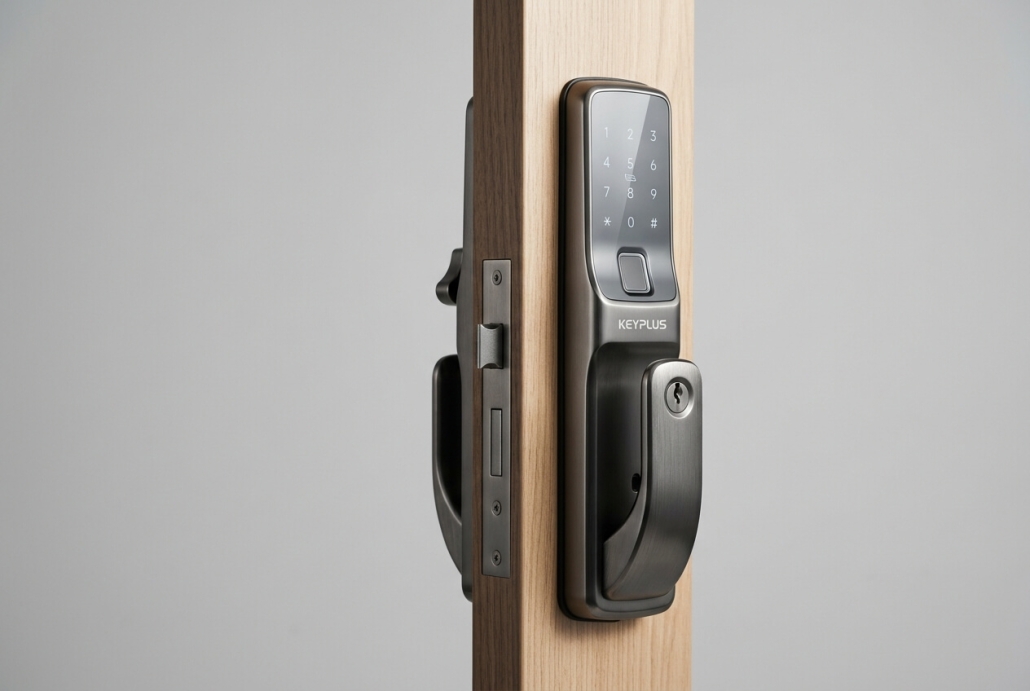
The global smart lock market is projected to reach $8.13 billion by 2026, growing at a CAGR of 18.4% (Fortune Business Insights, 2023; MarketsandMarkets, 2023). This rapid growth is driven by increasing demand for secure, convenient access solutions in residential, rental, and hospitality sectors. For B2B buyers, sourcing the right smart door lock with handle requires careful evaluation of product features, certifications, and supplier capabilities.
About Smart Door Lock With Handle: Market Trends Driving Smart Lock Adoption
For B2B buyers, selecting the right smart door lock with handle supplier is critical. KEYPLUS offers certified smart lock solutions with TTLock/Tuya integration, OEM/ODM flexibility, and competitive MOQ. Learn more below.
Smart home penetration in developed markets is expected to surpass 60% by 2026 (Statista, 2024). This trend reflects growing consumer demand for connected devices, including smart locks. In addition, property managers and hospitality operators increasingly prioritize digital access control for improved security and operational efficiency. For example, hotel lock systems with remote access and audit trails allow streamlined guest check-ins and enhanced security monitoring.
Moreover, renters and homeowners value convenience. Features like biometric authentication, such as fingerprint door locks, and app-based control are becoming standard in the industry. According to McKinsey (2023), 73% of B2B buyers prioritize app integration and remote access when sourcing smart locks. Brands like Kwikset and Tuya offer robust ecosystems to meet these needs.
KEYPLUS, a leading OEM/ODM smart lock manufacturer, supports these market demands with customizable solutions for residential, apartment, and hotel projects. Their products integrate seamlessly with platforms like TTLock and Tuya, providing flexible options for diverse applications.
Key Features B2B Buyers Evaluate in Smart Locks
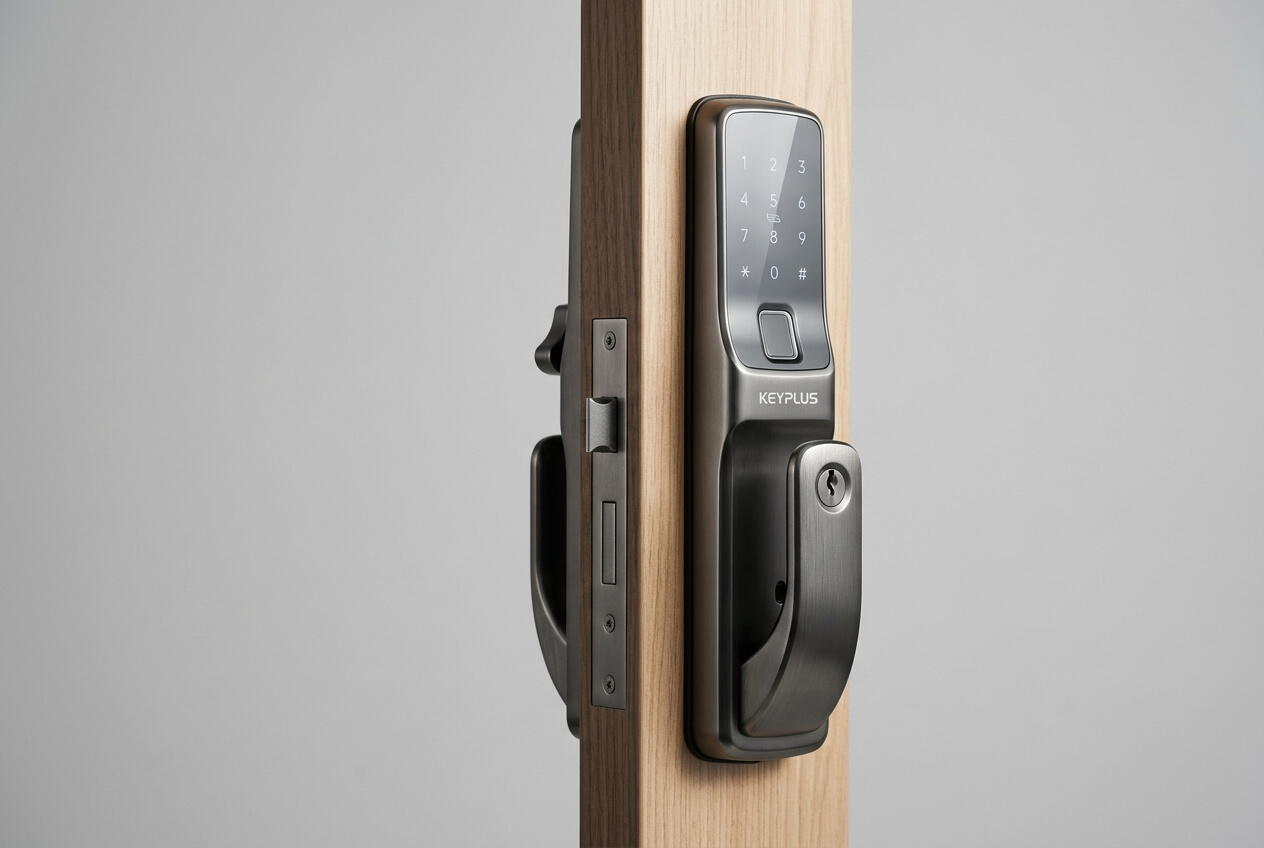
When sourcing a smart door lock with handle, B2B buyers focus on critical features such as unlock methods, app compatibility, and installation flexibility. Multi-method unlock options, including fingerprint, passcode, RFID card, and mechanical key backup, are essential for diverse user preferences. Buyers also evaluate app ecosystems like TTLock and Tuya for remote access, user management, and temporary PIN generation.
Certification is another priority. ANSI/BHMA Grade 1 certification is required for 68% of commercial access control projects (BHMA, 2023). This ensures durability and reliability for high-traffic environments. Additionally, compliance with CE, FCC, and RoHS standards is critical for importers and distributors targeting international markets.
As Sarah Lee, Access Control Consultant, states: “B2B buyers should prioritize suppliers that offer proven product stability and strong after-sales support. These factors reduce long-term project risks.” For example, KEYPLUS provides detailed project documentation and technical support, ensuring smooth installation and operation.
Compliance, Standards, and Technical Considerations
Compliance with industry standards is non-negotiable for smart lock sourcing. Certifications like CE and FCC ensure electronic safety, while RoHS compliance reflects environmental responsibility. For commercial projects, ANSI/BHMA grading guarantees performance under demanding conditions. Buyers should also consider IP ratings for outdoor installations, ensuring weather resistance.
Technical compatibility is equally important. Smart locks must fit various door types, including mortise, deadbolt, and latch configurations. Additionally, battery life and low-battery alerts affect long-term usability. App ecosystems should support multiple users, access logs, and integration with smart home platforms like Amazon Alexa or Google Home.
KEYPLUS excels in these areas, offering products that meet stringent certification requirements and support diverse technical needs. Their focus on quality control and customizable solutions makes them a trusted partner for distributors and project buyers.
Choosing the Right Smart Lock for Specific Applications
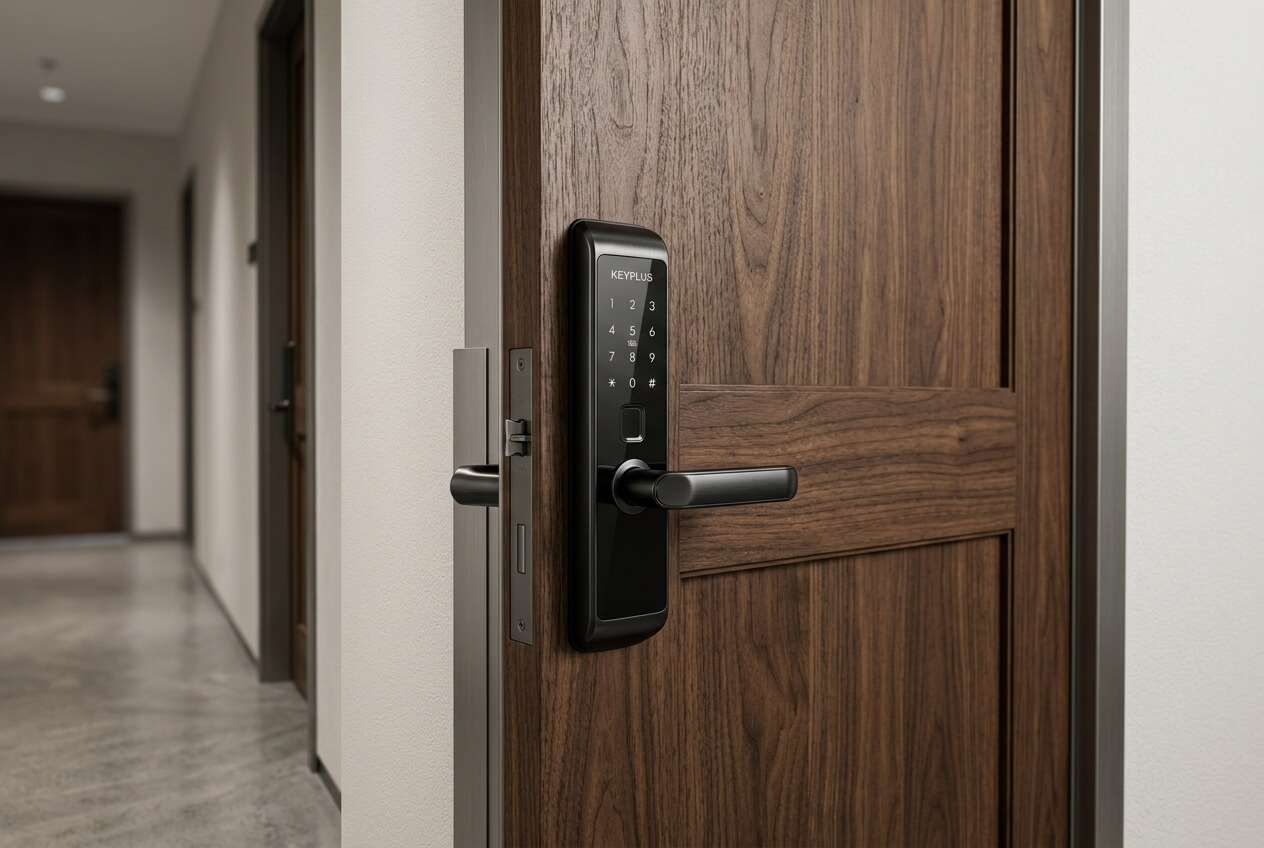
Selecting the right smart lock depends on the application. For residential use, homeowners prioritize ease of use and app control. Features like fingerprint door locks and temporary passcodes enhance convenience and security. Rental properties benefit from remote access and audit trails, enabling property managers to monitor and control access efficiently.
In hospitality, hotel lock systems with RFID cards and mobile key options streamline guest experiences. These systems often integrate with property management software, simplifying operations. For apartment projects, durable locks with multi-user access and centralized management systems are essential.
KEYPLUS offers tailored solutions for each scenario, including low MOQ options for pilot projects and fast lead times for large-scale deployments. Their expertise in OEM/ODM manufacturing ensures products meet specific project requirements.
Sourcing Strategies for Long-Term Success
To maximize ROI, B2B buyers should partner with suppliers that offer flexibility, reliability, and technical expertise. KEYPLUS supports distributors and importers with customizable products, robust technical support, and competitive pricing. Their integration with platforms like TTLock and Tuya ensures compatibility with existing ecosystems.
As the smart lock market continues to grow, buyers should focus on long-term partnerships. Reliable suppliers reduce project risks, improve installation efficiency, and ensure consistent product quality. For importers targeting high-growth markets, aligning with an experienced manufacturer like KEYPLUS can accelerate go-to-market timelines and enhance competitiveness.
Frequently Asked Questions
What is the best smart door lock to buy?
The best smart door lock depends on your needs. For example, Kwikset offers versatile options with SmartKey technology. Meanwhile, KEYPLUS provides customizable solutions for residential and commercial projects. Consider features like app integration, unlock methods, and certifications when choosing.
What are the disadvantages of smart door locks?
Smart locks may face challenges like battery dependence and potential hacking risks. However, models with mechanical key backups and advanced encryption mitigate these issues. Certifications like ANSI/BHMA Grade 1 ensure durability and security.
Can you install a smart lock on any door?
Smart locks are compatible with most doors, but buyers should verify door thickness and lock type. Mortise and deadbolt configurations are common. Suppliers like KEYPLUS offer products compatible with various door setups.
Is Schlage or Kwikset better?
Both brands offer high-quality locks. Kwikset focuses on affordability and ease of use, while Schlage emphasizes durability. For commercial projects, consider KEYPLUS for customizable options and robust technical support.
What certifications are important for smart locks?
Key certifications include ANSI/BHMA for durability, CE and FCC for safety, and RoHS for environmental compliance. These ensure reliability and market acceptance.
How does TTLock integration improve smart locks?
TTLock integration enables remote access, user management, and audit trails. This enhances functionality for residential and commercial applications. KEYPLUS smart locks leverage TTLock for seamless operation.

