
Is a Smart Lock Worth It?
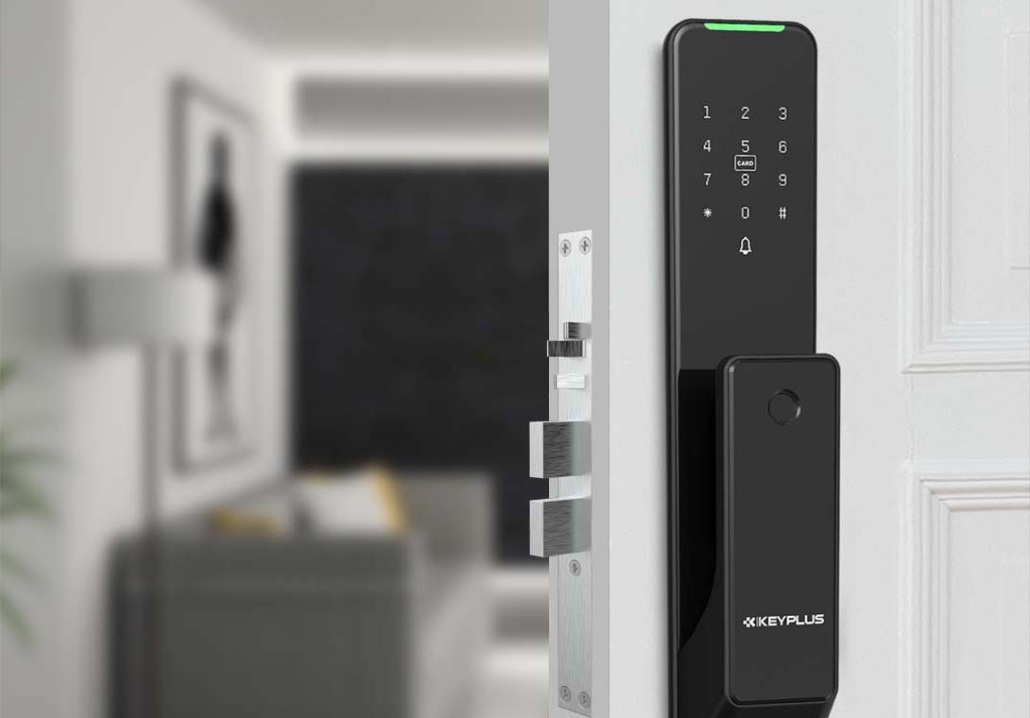
In today’s connected world, smart home technology is transforming how we secure our homes. Smart locks, which allow you to control your door locks remotely via a smartphone, are becoming increasingly popular—but are they really worth the investment?
For many Americans, the convenience of never fumbling for keys again is appealing. But with prices ranging from 100to400, it’s important to weigh the pros and cons before making the switch.
This guide will break down:
How smart locks work
Key benefits and drawbacks
Cost vs. value analysis
Security concerns
Who should (and shouldn’t) buy one
By the end, you’ll know whether a smart lock is the right choice for your home.
How Do Smart Locks Work?
Unlike traditional locks that require a physical key, smart locks use Wi-Fi, Bluetooth, or Z-Wave/Zigbee technology to communicate with your smartphone, voice assistant (like Alexa or Google Assistant), or a dedicated keypad.
Common Ways to Unlock a Smart Lock:
Smartphone app (remote access from anywhere)
Voice commands (“Alexa, unlock the front door”)
Auto-unlock (detects when you approach and unlocks automatically)
Keypad entry (enter a code instead of a physical key)
Fingerprint or facial recognition (biometric security)
Most smart locks still include a physical key override in case of battery failure or technical issues.
The Pros: Why Smart Locks Are Worth Considering
1. No More Lost or Forgotten Keys
Problem solved:
-
1 in 5 Americans have been locked out of their homes
-
No need to hide spare keys under doormats (a major security risk)
2. Remote Access & Guest Control
Key benefits:
-
Let in cleaners, dog walkers, or family members while you’re away
-
Grant temporary access (great for Airbnb hosts or contractors)
-
Lock your door remotely if you forgot to do it before leaving
3. Enhanced Security Features
More than just convenience:
-
Real-time alerts (get notified when someone unlocks the door)
-
Activity logs (see who entered and when)
-
Auto-lock (door locks itself after a set time)
4. Smart Home Integration
Works with other devices:
-
Sync with security cameras
-
Trigger smart lights when unlocked
-
Works with Amazon Key for in-garage deliveries
The Cons: Potential Downsides of Smart Locks
1. Higher Upfront Cost
Price comparison:
-
Traditional deadbolt: 30−100
-
Keypad lock (no Wi-Fi): 100−200
-
Smart lock: 150−400+
2. Battery Life & Power Dependence
Battery concerns:
-
Most last 3-12 months (depending on usage)
-
Some models warn you when batteries are low, but a dead lock can be problematic
3. Hacking & Cybersecurity Risks
Are smart locks hackable?
-
Most use strong encryption, but vulnerabilities exist
-
Best practices: Use strong passwords, enable 2FA, and keep firmware updated
4. Wi-Fi/Bluetooth Reliability Issues
Connectivity problems:
-
If your Wi-Fi goes down, remote features won’t work
-
Some models require a separate hub (adding cost)
5. Installation & Compatibility
🛠 Not all doors are compatible:
-
Some require professional installation (50−150)
-
Older doors may need modifications
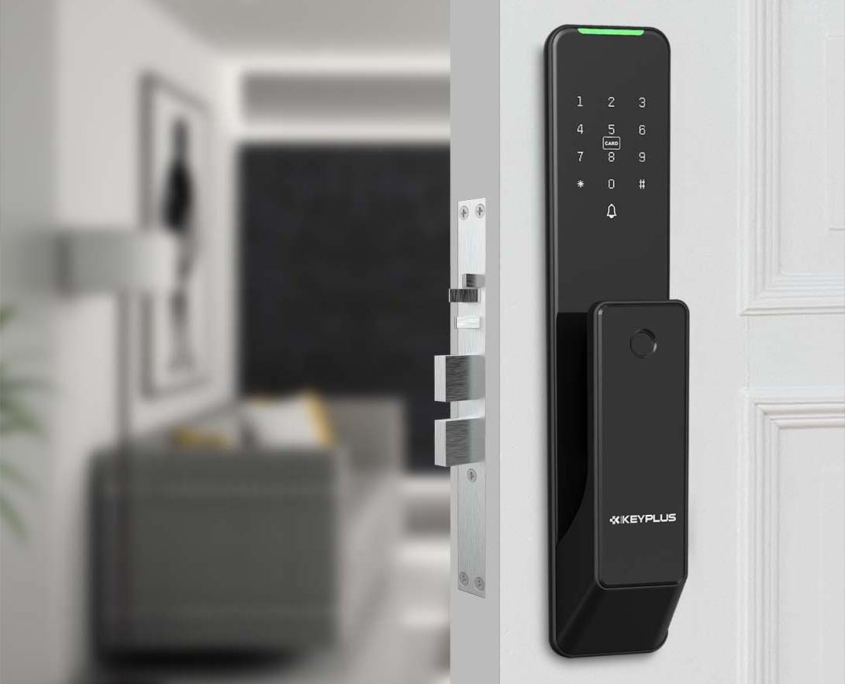
Smart Lock vs. Traditional Lock: Which Is Better?
| Feature | Smart Lock | Traditional Lock |
|---|---|---|
| Convenience | Remote access, auto-lock, guest codes | Requires physical key |
| Security | Tamper alerts, access logs | Reliable, no hacking risk |
| Cost | 150−400+ | 30−100 |
| Installation | May need professional help | Easy DIY |
| Battery Life | 3-12 months | No batteries needed |
Verdict:
-
Best for tech-savvy users, renters, and frequent travelers → Smart lock
-
Best for budget-conscious, low-tech, or backup doors → Traditional or keypad lock
Who Should Buy a Smart Lock? (And Who Shouldn’t)
Buy If You…
Travel often (remote access is useful)
Have frequent guests (cleaners, dog walkers, family)
Use Airbnb or rent your home (temporary access codes)
Want smart home integration (works with Alexa, Google Home, etc.)
Skip If You…
Prefer simplicity (don’t want to deal with apps)
Have weak Wi-Fi (connectivity issues may frustrate you)
✖Are on a tight budget (a good traditional lock may suffice)
Final Verdict: Are Smart Locks Worth It?
YES, if you value:
-
Convenience (no keys, remote access)
-
Smart home integration (works with Alexa, cameras, etc.)
-
Advanced security (real-time alerts, access logs)
NO, if you:
-
Prefer low-tech solutions
-
Have unreliable Wi-Fi
-
Don’t need remote access
Worth the Cost?
For most Americans, yes—especially if you travel often, rent out your home, or love smart home tech. But if you’re happy with a traditional lock, a keypad lock (no Wi-Fi) might be a better middle ground.
Bottom Line: Smart locks offer real convenience and security benefits, but they’re not essential for everyone. Assess your needs before buying!
Related Blog
 https://www.keyplusystem.com/wp-content/uploads/2026/10/image-20261010-080119085.png
1024
1536
Wu, Wendy
/wp-content/uploads/2023/05/logo.png
Wu, Wendy2026-10-10 06:01:302026-10-10 06:01:31Driving Hotel Efficiency with Advanced Digital Door Locks: The Ultimate B2B Guide
https://www.keyplusystem.com/wp-content/uploads/2026/10/image-20261010-080119085.png
1024
1536
Wu, Wendy
/wp-content/uploads/2023/05/logo.png
Wu, Wendy2026-10-10 06:01:302026-10-10 06:01:31Driving Hotel Efficiency with Advanced Digital Door Locks: The Ultimate B2B Guide https://www.keyplusystem.com/wp-content/uploads/2026/10/image-20261010-000134148.png
1024
1536
Wu, Wendy
/wp-content/uploads/2023/05/logo.png
Wu, Wendy2026-10-09 22:01:442026-10-09 22:01:46Revolutionizing Hotel Security: RFID Key Cards and AIoT Smart Lock Solutions by KEYPLUS
https://www.keyplusystem.com/wp-content/uploads/2026/10/image-20261010-000134148.png
1024
1536
Wu, Wendy
/wp-content/uploads/2023/05/logo.png
Wu, Wendy2026-10-09 22:01:442026-10-09 22:01:46Revolutionizing Hotel Security: RFID Key Cards and AIoT Smart Lock Solutions by KEYPLUS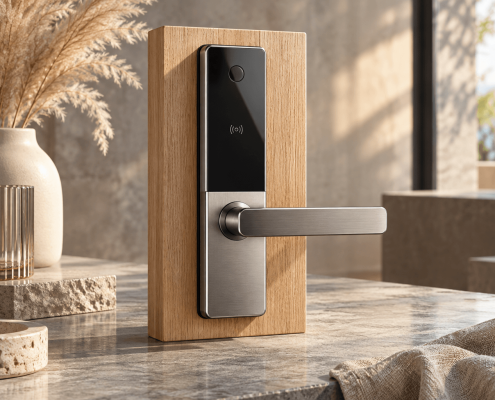 https://www.keyplusystem.com/wp-content/uploads/2026/10/image-20261009-160126393.png
1024
1536
Wu, Wendy
/wp-content/uploads/2023/05/logo.png
Wu, Wendy2026-10-09 14:01:362026-10-09 14:01:38The Future of Hospitality: Wireless Hotel Lock Systems Powered by KEYPLUS
https://www.keyplusystem.com/wp-content/uploads/2026/10/image-20261009-160126393.png
1024
1536
Wu, Wendy
/wp-content/uploads/2023/05/logo.png
Wu, Wendy2026-10-09 14:01:362026-10-09 14:01:38The Future of Hospitality: Wireless Hotel Lock Systems Powered by KEYPLUS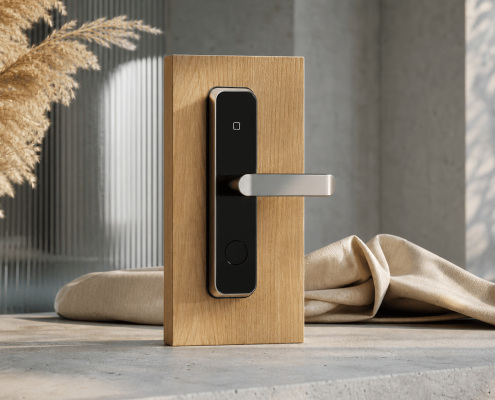 https://www.keyplusystem.com/wp-content/uploads/2026/10/image-20261009-080202455.png
1024
1536
Wu, Wendy
/wp-content/uploads/2023/05/logo.png
Wu, Wendy2026-10-09 06:02:152026-10-09 06:02:17Revolutionizing Hotel Security: The Future of Smart Locks for Hospitality Spaces
https://www.keyplusystem.com/wp-content/uploads/2026/10/image-20261009-080202455.png
1024
1536
Wu, Wendy
/wp-content/uploads/2023/05/logo.png
Wu, Wendy2026-10-09 06:02:152026-10-09 06:02:17Revolutionizing Hotel Security: The Future of Smart Locks for Hospitality Spaces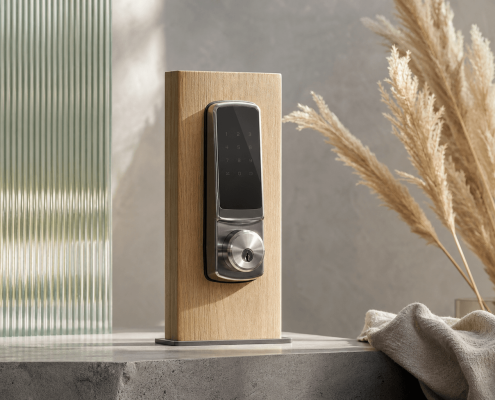 https://www.keyplusystem.com/wp-content/uploads/2026/10/image-20261009-000116876.png
1024
1536
Wu, Wendy
/wp-content/uploads/2023/05/logo.png
Wu, Wendy2026-10-08 22:01:272026-10-08 22:01:29Revolutionizing Hotel Room Security: How Smart Locks Enhance Guest Safety and Operational Efficiency
https://www.keyplusystem.com/wp-content/uploads/2026/10/image-20261009-000116876.png
1024
1536
Wu, Wendy
/wp-content/uploads/2023/05/logo.png
Wu, Wendy2026-10-08 22:01:272026-10-08 22:01:29Revolutionizing Hotel Room Security: How Smart Locks Enhance Guest Safety and Operational Efficiency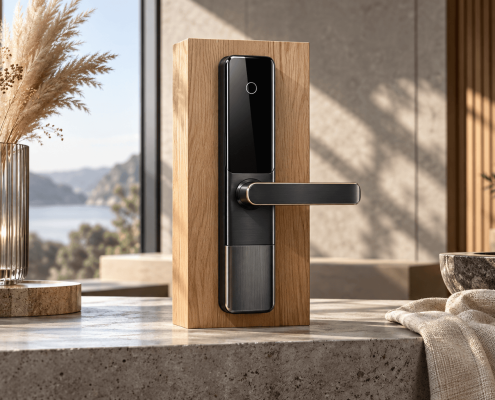 https://www.keyplusystem.com/wp-content/uploads/2026/10/image-20261008-080144553.png
1024
1536
Wu, Wendy
/wp-content/uploads/2023/05/logo.png
Wu, Wendy2026-10-08 06:01:552026-10-08 06:01:57Why Portable Locks are a Game-Changer for Modern Hotel Room Security
https://www.keyplusystem.com/wp-content/uploads/2026/10/image-20261008-080144553.png
1024
1536
Wu, Wendy
/wp-content/uploads/2023/05/logo.png
Wu, Wendy2026-10-08 06:01:552026-10-08 06:01:57Why Portable Locks are a Game-Changer for Modern Hotel Room Security
