
How long does a smart lock battery last?
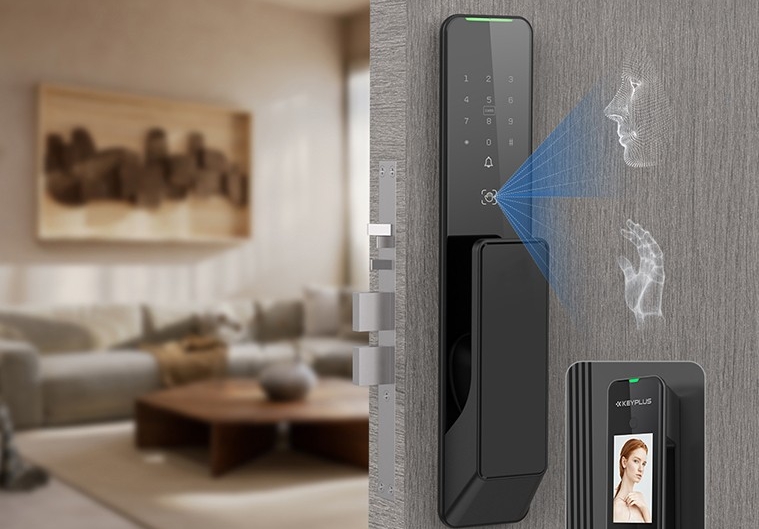
Smart locks offer convenience, security, and modern functionality for homes and businesses. Unlike traditional locks, they operate using batteries, which means you don’t have to worry about wiring or power outlets. However, one of the most common questions users have is: How long does a smart lock battery last?
The answer depends on several factors, including battery type, usage frequency, connectivity features, and environmental conditions. In this guide, we’ll explore everything you need to know about smart lock battery life and how to maximize it.
1. Average Smart Lock Battery Life
Most smart locks run on standard alkaline or lithium batteries, and their lifespan varies based on the model and features. Here’s a general breakdown:
-
4 to 6 months – For frequently used smart locks with Wi-Fi or Bluetooth connectivity.
-
6 to 12 months – For models with energy-efficient designs (e.g., Z-Wave or Zigbee).
-
12 to 24 months – For basic keypad locks without constant wireless communication.
Some high-efficiency smart locks can last even longer—up to 2 years or more—if they use low-power modes or have solar charging options.
2. Factors That Affect Battery Life
Several key factors influence how long your smart lock’s battery will last:
A. Type of Battery
Smart locks typically use:
-
Alkaline batteries (AA or AAA) – Affordable and widely available, but may drain faster in extreme temperatures.
-
Lithium batteries – More expensive but perform better in cold or hot weather and last longer.
-
Rechargeable batteries – Eco-friendly but may require more frequent charging.
B. Connectivity Features
-
Wi-Fi-enabled locks consume more power due to constant data transmission.
-
Bluetooth locks use less energy but still drain batteries faster than offline keypad locks.
-
Z-Wave and Zigbee locks are more energy-efficient since they rely on a hub instead of direct Wi-Fi.
C. Frequency of Use
-
Heavy daily use (multiple unlocks per day) shortens battery life.
-
Locks used only occasionally (e.g., vacation homes) last much longer.
D. Environmental Conditions
-
Extreme cold or heat reduces battery efficiency.
-
Humidity and corrosion can also affect performance.
E. Additional Features
-
Backlit keypads, voice alerts, and auto-locking mechanisms consume extra power.
-
Firmware updates may improve efficiency but sometimes temporarily increase battery drain.
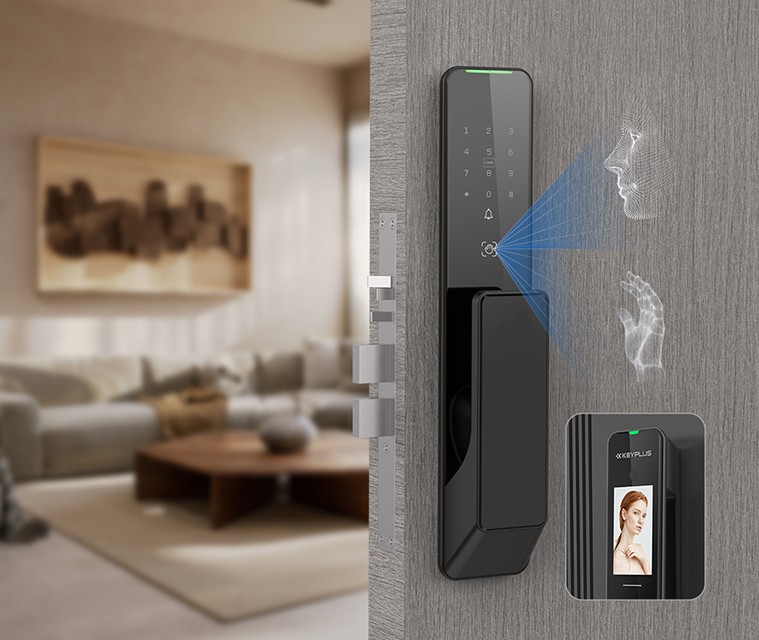
3. How to Extend Your Smart Lock Battery Life
To avoid unexpected lockouts, follow these best practices:
A. Choose the Right Batteries
-
Use high-quality lithium batteries for longer life and better performance in extreme weather.
-
Avoid mixing old and new batteries.
B. Optimize Connectivity
-
If possible, use Z-Wave or Zigbee instead of Wi-Fi to reduce power consumption.
-
Disable unnecessary notifications if your lock supports app adjustments.
C. Reduce Unnecessary Usage
-
Turn off features like auto-lock if not needed.
-
Lower the brightness of the keypad backlight.
D. Monitor Battery Levels
-
Most smart locks provide low-battery alerts via app notifications or beeping sounds.
-
Keep spare batteries on hand for quick replacement.
E. Protect from Extreme Weather
-
Install the lock in a shaded area if possible.
-
Consider a weatherproof cover for outdoor smart locks.
4. Signs Your Smart Lock Battery Is Dying
Watch for these warning signals:
-
The keypad or app shows a low battery warning.
-
The lock responds slower than usual.
-
The motor sounds weaker when locking/unlocking.
-
Frequent disconnections from the app or hub.
If you notice these signs, replace the batteries as soon as possible to avoid being locked out.
5. What to Do If Your Smart Lock Battery Dies?
Even with the best precautions, batteries can die unexpectedly. Here’s how to regain access:
A. Use a Physical Key (If Available)
Many smart locks include a backup keyhole for emergencies.
B. External Battery Boost
Some models allow temporary power via a 9V battery held against the lock’s contacts.
C. Manual Override
Certain locks have an internal release mechanism for emergencies.
D. Call a Locksmith
If all else fails, a professional can help without damaging the lock.
6. Final Thoughts
Smart lock battery life varies widely—from a few months to over two years—depending on usage, features, and maintenance. By choosing the right batteries, optimizing settings, and monitoring power levels, you can ensure your lock remains reliable.
Always keep spare batteries handy and familiarize yourself with emergency access methods to avoid lockouts. With proper care, your smart lock will provide seamless security for years to come.
Would you like recommendations on the most energy-efficient smart lock features? Let us know in the comments!
Related Blog
 https://www.keyplusystem.com/wp-content/uploads/2026/10/image-20261010-080119085.png
1024
1536
Wu, Wendy
/wp-content/uploads/2023/05/logo.png
Wu, Wendy2026-10-10 06:01:302026-10-10 06:01:31Driving Hotel Efficiency with Advanced Digital Door Locks: The Ultimate B2B Guide
https://www.keyplusystem.com/wp-content/uploads/2026/10/image-20261010-080119085.png
1024
1536
Wu, Wendy
/wp-content/uploads/2023/05/logo.png
Wu, Wendy2026-10-10 06:01:302026-10-10 06:01:31Driving Hotel Efficiency with Advanced Digital Door Locks: The Ultimate B2B Guide https://www.keyplusystem.com/wp-content/uploads/2026/10/image-20261010-000134148.png
1024
1536
Wu, Wendy
/wp-content/uploads/2023/05/logo.png
Wu, Wendy2026-10-09 22:01:442026-10-09 22:01:46Revolutionizing Hotel Security: RFID Key Cards and AIoT Smart Lock Solutions by KEYPLUS
https://www.keyplusystem.com/wp-content/uploads/2026/10/image-20261010-000134148.png
1024
1536
Wu, Wendy
/wp-content/uploads/2023/05/logo.png
Wu, Wendy2026-10-09 22:01:442026-10-09 22:01:46Revolutionizing Hotel Security: RFID Key Cards and AIoT Smart Lock Solutions by KEYPLUS https://www.keyplusystem.com/wp-content/uploads/2026/10/image-20261009-160126393.png
1024
1536
Wu, Wendy
/wp-content/uploads/2023/05/logo.png
Wu, Wendy2026-10-09 14:01:362026-10-09 14:01:38The Future of Hospitality: Wireless Hotel Lock Systems Powered by KEYPLUS
https://www.keyplusystem.com/wp-content/uploads/2026/10/image-20261009-160126393.png
1024
1536
Wu, Wendy
/wp-content/uploads/2023/05/logo.png
Wu, Wendy2026-10-09 14:01:362026-10-09 14:01:38The Future of Hospitality: Wireless Hotel Lock Systems Powered by KEYPLUS https://www.keyplusystem.com/wp-content/uploads/2026/10/image-20261009-080202455.png
1024
1536
Wu, Wendy
/wp-content/uploads/2023/05/logo.png
Wu, Wendy2026-10-09 06:02:152026-10-09 06:02:17Revolutionizing Hotel Security: The Future of Smart Locks for Hospitality Spaces
https://www.keyplusystem.com/wp-content/uploads/2026/10/image-20261009-080202455.png
1024
1536
Wu, Wendy
/wp-content/uploads/2023/05/logo.png
Wu, Wendy2026-10-09 06:02:152026-10-09 06:02:17Revolutionizing Hotel Security: The Future of Smart Locks for Hospitality Spaces https://www.keyplusystem.com/wp-content/uploads/2026/10/image-20261009-000116876.png
1024
1536
Wu, Wendy
/wp-content/uploads/2023/05/logo.png
Wu, Wendy2026-10-08 22:01:272026-10-08 22:01:29Revolutionizing Hotel Room Security: How Smart Locks Enhance Guest Safety and Operational Efficiency
https://www.keyplusystem.com/wp-content/uploads/2026/10/image-20261009-000116876.png
1024
1536
Wu, Wendy
/wp-content/uploads/2023/05/logo.png
Wu, Wendy2026-10-08 22:01:272026-10-08 22:01:29Revolutionizing Hotel Room Security: How Smart Locks Enhance Guest Safety and Operational Efficiency https://www.keyplusystem.com/wp-content/uploads/2026/10/image-20261008-080144553.png
1024
1536
Wu, Wendy
/wp-content/uploads/2023/05/logo.png
Wu, Wendy2026-10-08 06:01:552026-10-08 06:01:57Why Portable Locks are a Game-Changer for Modern Hotel Room Security
https://www.keyplusystem.com/wp-content/uploads/2026/10/image-20261008-080144553.png
1024
1536
Wu, Wendy
/wp-content/uploads/2023/05/logo.png
Wu, Wendy2026-10-08 06:01:552026-10-08 06:01:57Why Portable Locks are a Game-Changer for Modern Hotel Room Security
