
How Do Hotels Power Their Electronic Door Locks?
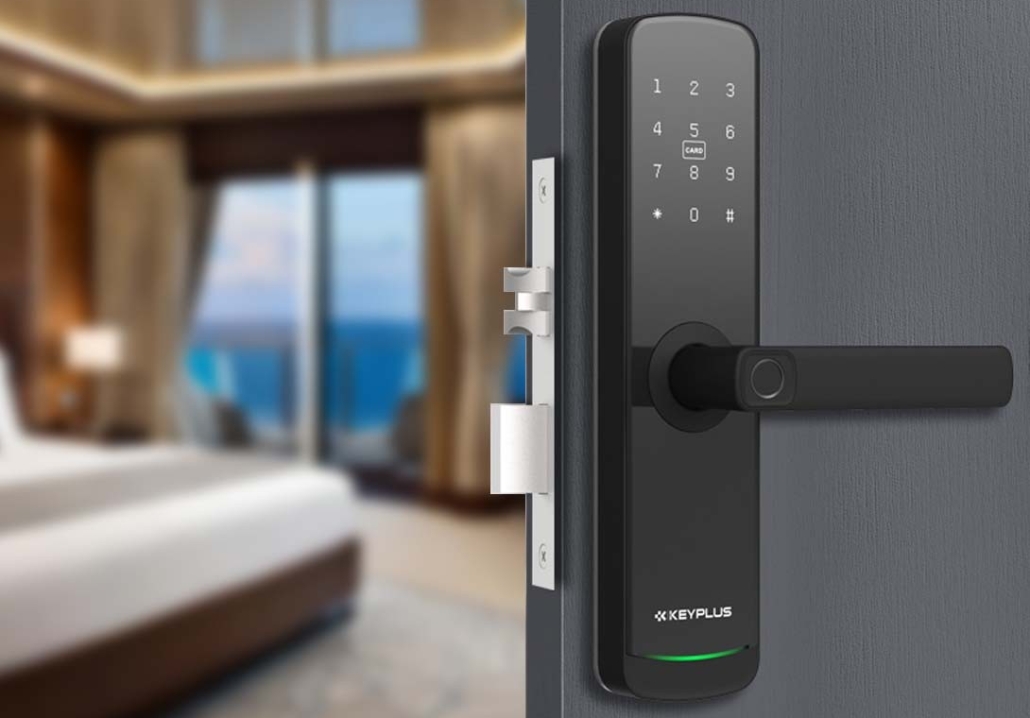
When you check into a hotel, one of the first things you receive is a key card—or sometimes just a code on your smartphone—to unlock your room. Have you ever wondered how these electronic door locks actually work? Unlike traditional metal keys, modern hotel locks rely on sophisticated technology to ensure security and convenience.
A critical aspect of these systems is how they are powered. Hotels can’t afford to have door locks fail due to dead batteries or power outages, so they use reliable and often redundant power sources. In this article, we’ll explore the different ways hotels keep their electronic door locks running smoothly.
1. Battery-Powered Locks: The Most Common Solution
The majority of hotel electronic door locks are powered by batteries, typically long-lasting lithium or alkaline cells. These batteries are housed inside the lock mechanism and can last anywhere from six months to several years, depending on usage.
Why Batteries?
-
No wiring required: Hotels don’t need to run electrical lines to every door, making installation easier and cheaper.
-
Backup security: Even if the hotel loses power, the locks keep working.
-
Easy maintenance: Housekeeping or maintenance staff can replace batteries during routine checks.
How Hotels Ensure Battery Reliability
-
Low-power technology: Modern locks use energy-efficient circuits and only activate when a key card is presented.
-
Battery life indicators: Many locks alert hotel staff when batteries are running low.
-
Standardized battery types: Most locks use common AA or CR123 batteries for easy replacement.
2. Hardwired Locks: For High-End and Smart Hotels
Some luxury hotels or smart buildings integrate their door locks with a centralized access control system. These locks are hardwired into the hotel’s electrical system, often with a battery backup in case of power failure.
Advantages of Hardwired Locks
-
Real-time updates: If a guest checks out early, the front desk can instantly deactivate their key.
-
Audit trails: Hotels can track every door entry for security purposes.
-
Integration with other systems: These locks can connect to hotel management software for seamless operations.
Disadvantages
-
Higher installation cost: Requires wiring, which can be expensive in older buildings.
-
Dependence on building power: Without a backup battery, a blackout could lock guests out.
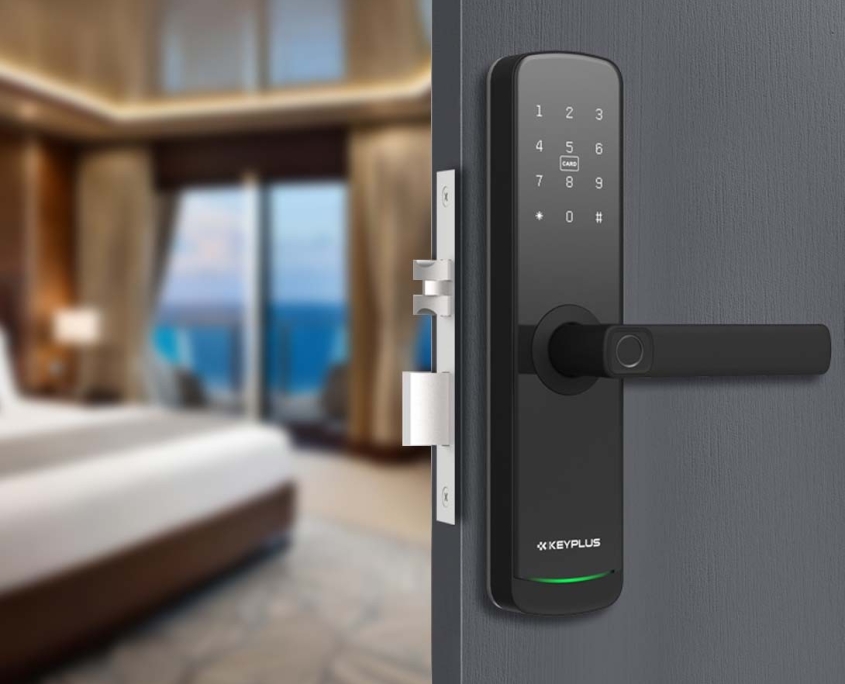
3. Hybrid Systems: Battery + Energy Harvesting
Some advanced locks use energy-harvesting technology to supplement or even replace batteries. These systems generate small amounts of power from:
-
Motion (kinetic energy): Turning the door handle generates electricity.
-
Solar power: Tiny solar panels on the lock face.
-
RFID/NFC energy: Some key cards transfer a tiny amount of power when scanned.
While not yet mainstream, these solutions are gaining popularity in eco-friendly hotels looking to reduce battery waste.
4. What Happens If the Power (or Batteries) Die?
Hotels have contingency plans to ensure guests aren’t locked out:
-
Manual override keys: Some electronic locks have a physical key as a last resort.
-
Emergency battery packs: Staff may carry portable power sources to jump-start a dead lock.
-
Centralized alerts: If a lock fails, maintenance is notified immediately.
Conclusion: Reliability Is Key
Hotel door locks must be secure, convenient, and always operational. Whether they use long-life batteries, hardwired power, or cutting-edge energy harvesting, hotels prioritize systems that minimize failures. Next time you swipe your key card, you’ll know there’s a well-engineered power system keeping your room secure!
Would you prefer a battery-powered lock or a smart hardwired system in your dream hotel? Let us know in the comments!
Key Takeaways
Most hotel locks run on batteries (AA or lithium) lasting months or years.
High-end hotels may use hardwired locks with battery backups.
Energy-harvesting tech (solar, motion-powered) is emerging.
Backup plans (manual keys, emergency power) prevent lockouts.
This technology ensures that your hotel stay is both secure and hassle-free!
Related Blog
 https://www.keyplusystem.com/wp-content/uploads/2026/06/image-20260630-085513.png
1024
1536
Wu, Wendy
/wp-content/uploads/2023/05/logo.png
Wu, Wendy2026-06-30 06:55:242026-06-30 06:55:26How Hotel Smart Locks Are Transforming Hospitality: A Comprehensive B2B Guide
https://www.keyplusystem.com/wp-content/uploads/2026/06/image-20260630-085513.png
1024
1536
Wu, Wendy
/wp-content/uploads/2023/05/logo.png
Wu, Wendy2026-06-30 06:55:242026-06-30 06:55:26How Hotel Smart Locks Are Transforming Hospitality: A Comprehensive B2B Guide https://www.keyplusystem.com/wp-content/uploads/2026/06/image-20260630-045651.png
1024
1536
Wu, Wendy
/wp-content/uploads/2023/05/logo.png
Wu, Wendy2026-06-30 02:57:022026-06-30 06:30:57Smart Wi-Fi Locks Redefined: KEYPLUS Solutions for Modern Enterprises
https://www.keyplusystem.com/wp-content/uploads/2026/06/image-20260630-045651.png
1024
1536
Wu, Wendy
/wp-content/uploads/2023/05/logo.png
Wu, Wendy2026-06-30 02:57:022026-06-30 06:30:57Smart Wi-Fi Locks Redefined: KEYPLUS Solutions for Modern Enterprises https://www.keyplusystem.com/wp-content/uploads/2026/06/image-20260630-032502.png
1024
1536
Wu, Wendy
/wp-content/uploads/2023/05/logo.png
Wu, Wendy2026-06-30 01:25:162026-06-30 05:50:57Smart Wi-Fi Locks: Integrating Advanced Access Control with Edge Computing Solutions
https://www.keyplusystem.com/wp-content/uploads/2026/06/image-20260630-032502.png
1024
1536
Wu, Wendy
/wp-content/uploads/2023/05/logo.png
Wu, Wendy2026-06-30 01:25:162026-06-30 05:50:57Smart Wi-Fi Locks: Integrating Advanced Access Control with Edge Computing Solutions https://www.keyplusystem.com/wp-content/uploads/2026/06/image-20260626-050047-1.png
1024
1536
Wu, Wendy
/wp-content/uploads/2023/05/logo.png
Wu, Wendy2026-06-26 09:54:342026-06-30 05:57:47Why B2B Smart Lock Solutions Are Redefining Access Control in 2026
https://www.keyplusystem.com/wp-content/uploads/2026/06/image-20260626-050047-1.png
1024
1536
Wu, Wendy
/wp-content/uploads/2023/05/logo.png
Wu, Wendy2026-06-26 09:54:342026-06-30 05:57:47Why B2B Smart Lock Solutions Are Redefining Access Control in 2026 https://www.keyplusystem.com/wp-content/uploads/2026/05/image-20260530-120210-1.png
1024
1536
Wu, Wendy
/wp-content/uploads/2023/05/logo.png
Wu, Wendy2026-05-30 04:02:212026-05-30 04:02:23Most Secure Smart Lock Trends for B2B Buyers | KEYPLUS
https://www.keyplusystem.com/wp-content/uploads/2026/05/image-20260530-120210-1.png
1024
1536
Wu, Wendy
/wp-content/uploads/2023/05/logo.png
Wu, Wendy2026-05-30 04:02:212026-05-30 04:02:23Most Secure Smart Lock Trends for B2B Buyers | KEYPLUS https://www.keyplusystem.com/wp-content/uploads/2026/05/image-20260530-060323.png
1024
1536
Wu, Wendy
/wp-content/uploads/2023/05/logo.png
Wu, Wendy2026-05-29 22:03:352026-05-29 22:03:37WiFi Door Knob Market Trends for 2024 Buyers
https://www.keyplusystem.com/wp-content/uploads/2026/05/image-20260530-060323.png
1024
1536
Wu, Wendy
/wp-content/uploads/2023/05/logo.png
Wu, Wendy2026-05-29 22:03:352026-05-29 22:03:37WiFi Door Knob Market Trends for 2024 Buyers
