
How Do Hotel Chain Locks Provide Protection?
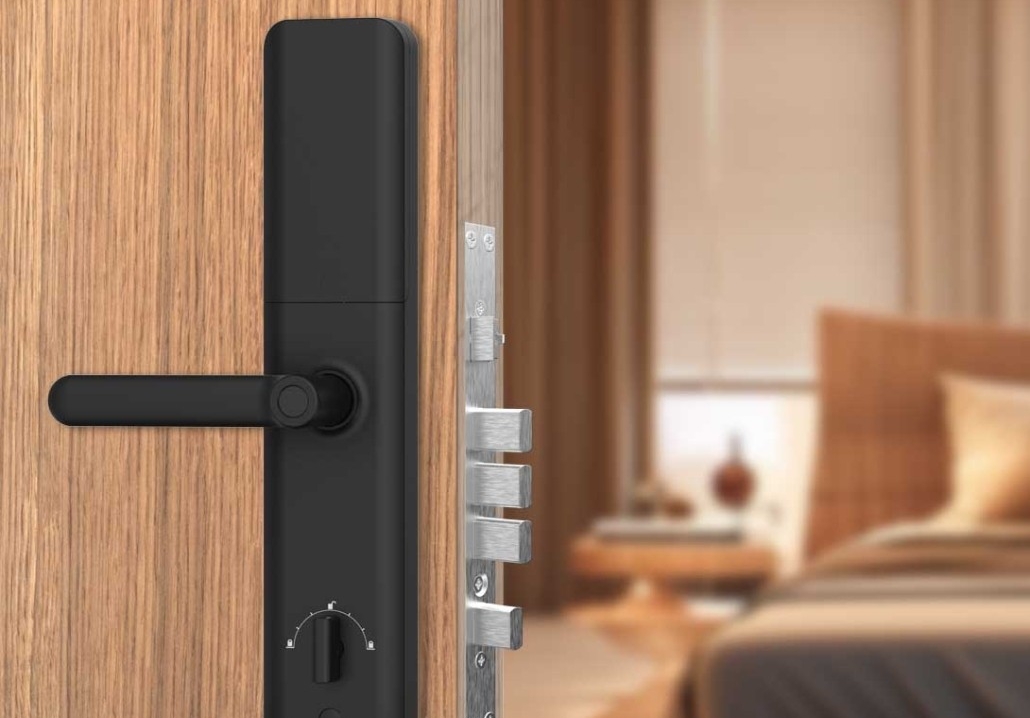
When staying in a hotel, safety is a top priority for travelers. While hotels implement various security measures—such as surveillance cameras, key card access, and security personnel—one of the most fundamental yet effective safety features is the hotel chain lock (also known as a security latch or door guard).
This simple device provides an additional layer of protection against unauthorized entry, giving guests peace of mind while they sleep or relax in their rooms. But how exactly do hotel chain locks work, and why are they so important?
In this article, we’ll explore:
-
What a hotel chain lock is and how it functions
-
Different types of hotel security latches
-
Why chain locks are essential for guest safety
-
Limitations and additional security measures
By the end, you’ll understand why this small but critical feature plays a big role in keeping hotel guests safe.
What Is a Hotel Chain Lock?
A hotel chain lock is a secondary locking mechanism installed on the inside of a hotel room door. Unlike the main deadbolt or electronic lock, which is engaged from the outside, the chain lock is only operable from inside the room.
How It Works:
-
The chain lock consists of a short metal chain (or rigid bar) attached to the door frame.
-
The other end connects to a sliding latch mounted on the door itself.
-
When engaged, the chain allows the door to open only a few inches—enough to see or speak with someone outside but not enough for forced entry.
This design ensures that even if someone has a key card or manages to bypass the primary lock, they cannot fully open the door without breaking the chain.
Types of Hotel Door Security Latches
Not all hotel chain locks are the same. Some offer stronger resistance, while others are more about deterrence. Here are the most common types:
1. Traditional Chain Lock
-
The classic design with a metal chain and a sliding track.
-
Provides basic security but can be broken with enough force.
-
Common in older hotels and budget accommodations.
2. Swing Bar Lock (Flip Lock)
-
Uses a rigid metal bar instead of a chain.
-
More durable than a chain and harder to force open.
-
Often seen in mid-range to upscale hotels.
3. Deadbolt + Chain Combo
-
Some hotels combine a chain with a secondary deadbolt.
-
Offers double protection: the chain prevents the door from opening fully, while the deadbolt reinforces the lock.
4. Electronic Door Guards (Modern Alternatives)
-
High-end hotels may use electronic door braces that alert security if tampered with.
-
Some systems integrate with the hotel’s security network.
While chain locks are the most common, the swing bar and electronic versions provide stronger protection.
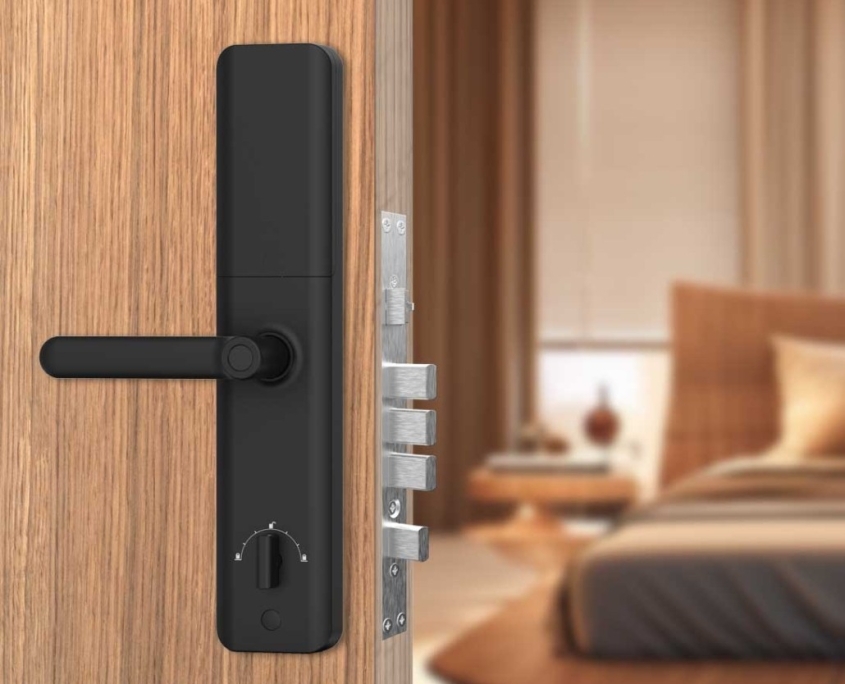
Why Are Hotel Chain Locks Important for Safety?
1. Prevents Unauthorized Entry
Even if a thief, intruder, or even hotel staff gains access to a key card, the chain lock stops them from entering fully. This gives guests time to react—whether by calling security, arming themselves, or escaping through another exit.
2. Allows for Safe Verification of Visitors
Guests can partially open the door to verify who is outside—whether it’s room service, maintenance, or an unexpected visitor—without fully exposing themselves to potential threats.
3. Acts as a Psychological Deterrent
Most criminals look for easy targets. A visible chain lock signals that forced entry will be noisy and difficult, discouraging break-ins.
4. Provides an Extra Layer Against Lock Failures
Electronic key card systems can malfunction, and keys can be copied. A chain lock serves as a backup in case the primary lock fails.
5. Helps Prevent Accidental Intrusions
Housekeeping or maintenance staff may mistakenly enter a room if they believe it’s unoccupied. A chain lock prevents these awkward or potentially dangerous situations.
Limitations of Hotel Chain Locks
While chain locks are helpful, they are not foolproof. Some weaknesses include:
1. Can Be Forced Open with Enough Strength
A strong kick or yank can break the chain or rip it from the door frame.
2. Some Hotels Use Weak Installations
If the screws are too short or the door frame is weak, the chain may not hold.
3. Does Not Protect Against All Threats
-
Window entries (if the room is on the ground floor).
-
Social engineering attacks (someone pretending to be hotel staff).
-
Overpowering the guest if the door is opened too wide.
For maximum safety, guests should use the chain lock in combination with other precautions (like using the deadbolt and verifying visitors).
Additional Hotel Safety Tips for Travelers
Since chain locks alone aren’t enough, here are extra steps to stay safe in hotels:
1. Always Use Both the Deadbolt and Chain Lock
Engage all available locks when inside the room.
2. Check the Door’s Security Before Unpacking
Test the chain and deadbolt to ensure they function properly.
3. Use a Portable Door Alarm or Door Stopper
For added security, travelers can bring a wedge door stop or a personal door alarm that sounds if someone tries to enter.
4. Don’t Open the Door for Unexpected Visitors
Verify through the peephole or call the front desk before allowing anyone in.
5. Choose Hotels with Strong Security Measures
Look for properties with:
-
24/7 security personnel
-
Surveillance cameras in hallways
-
Key card access for elevators
Conclusion: A Small Lock with Big Benefits
Hotel chain locks may seem like a simple feature, but they play a crucial role in guest safety. By preventing full door access, they act as both a physical barrier and a deterrent against intruders.
While they aren’t unbreakable, using them correctly—along with other security habits—can significantly reduce risks. Next time you check into a hotel, make it a habit to always engage the chain lock. It’s a small action that could make a big difference in your safety.
Would you like recommendations for the best portable travel locks? Let us know in the comments!
Related Blog
 https://www.keyplusystem.com/wp-content/uploads/2026/10/image-20261010-080119085.png
1024
1536
Wu, Wendy
/wp-content/uploads/2023/05/logo.png
Wu, Wendy2026-10-10 06:01:302026-10-10 06:01:31Driving Hotel Efficiency with Advanced Digital Door Locks: The Ultimate B2B Guide
https://www.keyplusystem.com/wp-content/uploads/2026/10/image-20261010-080119085.png
1024
1536
Wu, Wendy
/wp-content/uploads/2023/05/logo.png
Wu, Wendy2026-10-10 06:01:302026-10-10 06:01:31Driving Hotel Efficiency with Advanced Digital Door Locks: The Ultimate B2B Guide https://www.keyplusystem.com/wp-content/uploads/2026/10/image-20261010-000134148.png
1024
1536
Wu, Wendy
/wp-content/uploads/2023/05/logo.png
Wu, Wendy2026-10-09 22:01:442026-10-09 22:01:46Revolutionizing Hotel Security: RFID Key Cards and AIoT Smart Lock Solutions by KEYPLUS
https://www.keyplusystem.com/wp-content/uploads/2026/10/image-20261010-000134148.png
1024
1536
Wu, Wendy
/wp-content/uploads/2023/05/logo.png
Wu, Wendy2026-10-09 22:01:442026-10-09 22:01:46Revolutionizing Hotel Security: RFID Key Cards and AIoT Smart Lock Solutions by KEYPLUS https://www.keyplusystem.com/wp-content/uploads/2026/10/image-20261009-160126393.png
1024
1536
Wu, Wendy
/wp-content/uploads/2023/05/logo.png
Wu, Wendy2026-10-09 14:01:362026-10-09 14:01:38The Future of Hospitality: Wireless Hotel Lock Systems Powered by KEYPLUS
https://www.keyplusystem.com/wp-content/uploads/2026/10/image-20261009-160126393.png
1024
1536
Wu, Wendy
/wp-content/uploads/2023/05/logo.png
Wu, Wendy2026-10-09 14:01:362026-10-09 14:01:38The Future of Hospitality: Wireless Hotel Lock Systems Powered by KEYPLUS https://www.keyplusystem.com/wp-content/uploads/2026/10/image-20261009-080202455.png
1024
1536
Wu, Wendy
/wp-content/uploads/2023/05/logo.png
Wu, Wendy2026-10-09 06:02:152026-10-09 06:02:17Revolutionizing Hotel Security: The Future of Smart Locks for Hospitality Spaces
https://www.keyplusystem.com/wp-content/uploads/2026/10/image-20261009-080202455.png
1024
1536
Wu, Wendy
/wp-content/uploads/2023/05/logo.png
Wu, Wendy2026-10-09 06:02:152026-10-09 06:02:17Revolutionizing Hotel Security: The Future of Smart Locks for Hospitality Spaces https://www.keyplusystem.com/wp-content/uploads/2026/10/image-20261009-000116876.png
1024
1536
Wu, Wendy
/wp-content/uploads/2023/05/logo.png
Wu, Wendy2026-10-08 22:01:272026-10-08 22:01:29Revolutionizing Hotel Room Security: How Smart Locks Enhance Guest Safety and Operational Efficiency
https://www.keyplusystem.com/wp-content/uploads/2026/10/image-20261009-000116876.png
1024
1536
Wu, Wendy
/wp-content/uploads/2023/05/logo.png
Wu, Wendy2026-10-08 22:01:272026-10-08 22:01:29Revolutionizing Hotel Room Security: How Smart Locks Enhance Guest Safety and Operational Efficiency https://www.keyplusystem.com/wp-content/uploads/2026/10/image-20261008-080144553.png
1024
1536
Wu, Wendy
/wp-content/uploads/2023/05/logo.png
Wu, Wendy2026-10-08 06:01:552026-10-08 06:01:57Why Portable Locks are a Game-Changer for Modern Hotel Room Security
https://www.keyplusystem.com/wp-content/uploads/2026/10/image-20261008-080144553.png
1024
1536
Wu, Wendy
/wp-content/uploads/2023/05/logo.png
Wu, Wendy2026-10-08 06:01:552026-10-08 06:01:57Why Portable Locks are a Game-Changer for Modern Hotel Room Security

