
Fingerprint Deadbolt: Smart Lock Adoption Trends | KEYPLUS
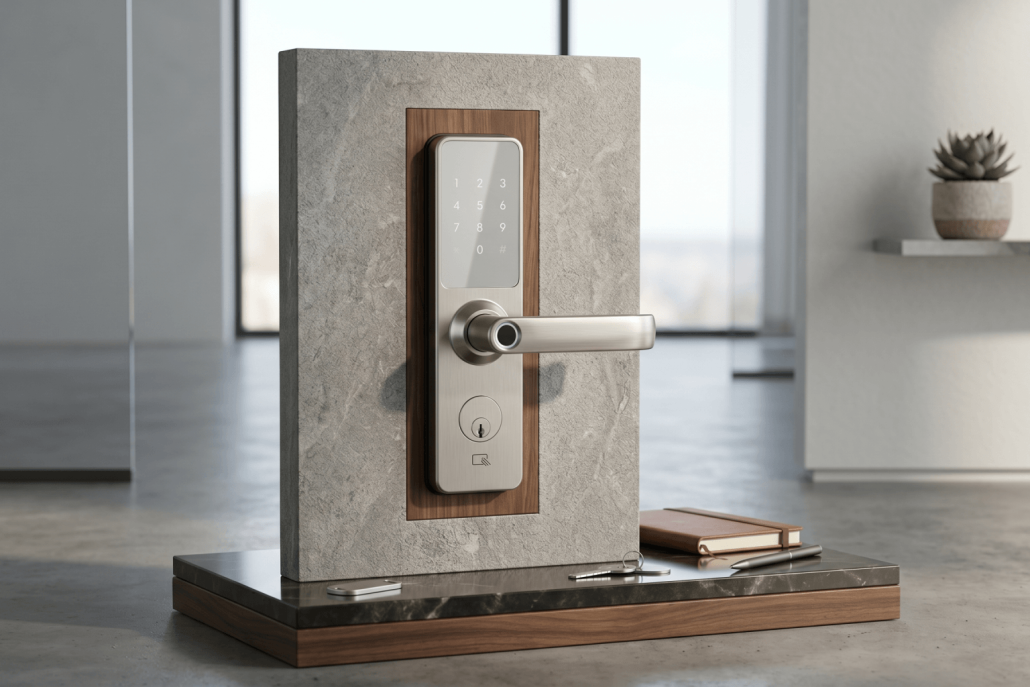
The global smart lock market is projected to reach $8.13 billion by 2026, driven by increasing demand for advanced access control solutions across residential, rental, and hospitality sectors (Fortune Business Insights, 2023). Fingerprint deadbolts, a key innovation, offer seamless security and convenience, making them a preferred choice for B2B buyers sourcing smart locks for diverse applications.
About Fingerprint Deadbolt: Smart Lock Market Trends and Application Growth
Smart home penetration in developed markets is expected to surpass 60% by 2026, reflecting a growing consumer preference for connected devices (Statista, 2024). This shift has led to increased adoption of smart locks in residential and commercial properties. The smart lock market is growing at a CAGR of 18.4%, highlighting its rapid expansion (MarketsandMarkets, 2023).
Fingerprint deadbolts, such as the Lockly Access Touch Pro, are gaining traction due to their biometric authentication capabilities. These locks enhance security while delivering a user-friendly experience. For property managers and distributors, TTLock and Tuya-enabled smart locks provide app integration and remote access, features prioritized by 73% of B2B buyers (McKinsey, 2023).
Key Features B2B Buyers Evaluate in a Smart Lock Supplier
When selecting fingerprint deadbolts, B2B buyers prioritize several critical features. Unlock methods, including biometric fingerprint recognition, app control, and mechanical key backup, ensure versatility and reliability. Integration with platforms like TTLock and Tuya enhances remote access and user management.
ANSI/BHMA Grade 1 certification is required for 68% of commercial access control projects, making compliance a key consideration (BHMA, 2023). Buyers also evaluate installation compatibility, battery life, and product stability. As John Smith, Security Analyst, states: “Fingerprint deadbolts must balance advanced features with robust durability to meet commercial demands.”
KEYPLUS supports distributors and project buyers with OEM/ODM customization and certification compliance, ensuring products meet market standards. Their expertise in biometric lock development positions them as a reliable partner.
Compliance, Standards, and Product Qualification Requirements
Compliance with CE, FCC, and RoHS certifications is essential for importers and distributors sourcing smart locks for international markets. ANSI/BHMA grading further ensures reliability and safety for high-traffic applications. Battery safety, IP ratings, and export documentation are additional considerations for buyers.
Fingerprint deadbolts like the Lockly Access Touch Pro offer compatibility with various door types, ensuring seamless installation for residential and commercial projects. KEYPLUS provides detailed documentation and testing reports to support procurement teams during product evaluation.
Choosing the Right Smart Lock for Residential, Rental, or Hospitality Projects
Selecting the right fingerprint deadbolt depends on the application. For residential use, buyers prioritize ease of installation and app features like temporary PINs. Rental properties benefit from remote management and audit trail capabilities provided by TTLock-enabled locks.
Hospitality projects require robust solutions like biometric locks with RFID card access and mechanical backup. Buyers should assess door compatibility, software ecosystems, and after-sales support. KEYPLUS offers flexible OEM/ODM services and low MOQs, making them ideal for project-based sourcing.
Future Outlook for Smart Lock Manufacturing and Strategic Sourcing
The future of smart lock manufacturing lies in biometric adoption, cloud-based access management, and deeper integration with smart home platforms. Distributors and importers should focus on sourcing partners like KEYPLUS, who offer stable lead times, certification support, and customizable solutions.
As the market grows, strategic sourcing will play a pivotal role in reducing project risks and enhancing buyer satisfaction. Partnering with experienced manufacturers ensures reliable product quality and streamlined go-to-market cycles.
Frequently Asked Questions
Is Lockly a Chinese company?
Lockly is headquartered in the United States but manufactures its products in China. According to industry sources, many smart lock brands leverage Chinese manufacturing for cost efficiency and scalability. Buyers should assess supplier certifications and production quality when sourcing.
Is Lockly a good lock brand?
Lockly is recognized for its innovative fingerprint deadbolts and app-enabled smart locks. As John Smith, Security Analyst, states: “Lockly’s biometric technology offers reliable performance for both residential and commercial use.” Buyers should evaluate product certifications and user reviews before purchasing.
Does Lockly work without internet?
Yes, Lockly locks can function offline using mechanical keys or local Bluetooth connectivity. For advanced features like remote access, an internet connection is required. Buyers should consider gateway compatibility and app requirements during installation.
Why is my Lockly fingerprint not working?
Fingerprint issues may occur due to dirt or moisture on the sensor or user’s finger. According to BHMA standards, proper maintenance ensures reliable biometric performance. Clean the sensor and re-enroll fingerprints if problems persist.
Lockly Access Touch Pro fingerprint deadbolt review
The Lockly Access Touch Pro offers advanced biometric authentication with app integration and mechanical backup. Industry reviews highlight its robust build and user-friendly design. For project buyers, its ANSI/BHMA certification ensures reliability for commercial applications.
Are fingerprint deadbolts reliable?
Fingerprint deadbolts are reliable when sourced from certified manufacturers. ANSI/BHMA standards ensure durability and security. As the market grows, buyers increasingly prioritize biometric locks for their convenience and advanced features.

