
Electronic Entry Door Locks: Trends & Sourcing Insights | KEYPLUS
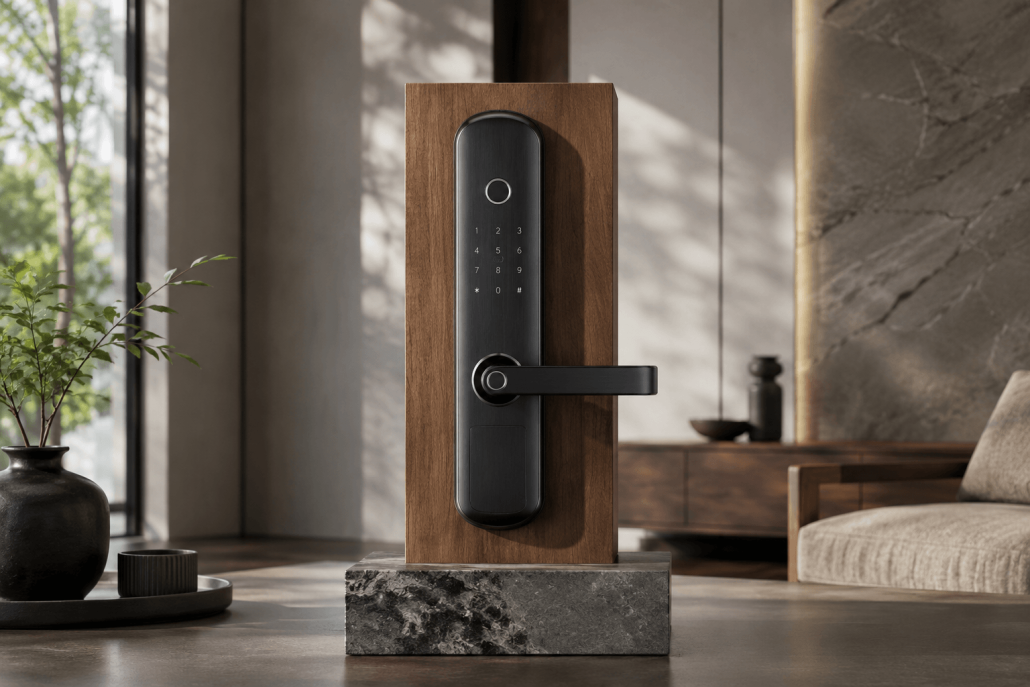
The global smart lock market is projected to reach $8.13 billion by 2026, driven by growing demand for secure and convenient access solutions (Fortune Business Insights, 2023). From residential properties to large-scale hospitality projects, electronic entry door locks are transforming how businesses and homeowners approach security. With features like remote access, temporary PINs, and app integration, these locks address modern access control challenges while enhancing user convenience.
Market Trends Driving Demand for Electronic Entry Door Locks
Smart lock adoption is surging across multiple sectors. In developed markets, smart home penetration is expected to surpass 60% by 2026 (Statista, 2024). This growth is fueled by the increasing integration of IoT devices and the need for smarter, more secure access control solutions. Residential properties, rental units, and hotels are among the primary sectors adopting electronic entry door locks to enhance security and streamline access management. Additionally, the rise of remote work has increased demand for flexible and secure home-office solutions.
For example, products like Tuya-integrated smart locks enable seamless connectivity with smart home ecosystems, offering features such as remote access and audit trails. According to McKinsey (2023), 73% of B2B buyers prioritize app integration and remote access when sourcing smart locks. This highlights the importance of selecting products that align with modern technological expectations.

Key Features and Supplier Evaluation Criteria
B2B buyers evaluating electronic entry door locks should consider several critical factors. Unlock methods, such as fingerprint authentication, RFID cards, and temporary PINs, play a significant role in user convenience and security. Additionally, app compatibility with platforms like TTLock or Tuya ensures seamless remote management and integration with broader smart home systems.
As John Smith, Security Consultant, states: “Buyers should prioritize locks with ANSI/BHMA Grade 1 certification for commercial projects, as this ensures the highest level of durability and security.” Notably, 68% of commercial access control projects require ANSI/BHMA Grade 1 certification (BHMA, 2023). Moreover, installation compatibility with various door types and thicknesses is essential for minimizing installation challenges.
Another critical factor is product stability. Buyers should look for suppliers with robust manufacturing capabilities, such as OEM/ODM experience, to ensure consistent quality. KEYPLUS, for instance, offers customizable solutions with low MOQs, making it an ideal partner for distributors and project buyers.
Compliance, Standards, and Technical Considerations
Compliance with international standards is crucial when sourcing electronic entry door locks. Certifications like CE, FCC, and RoHS ensure that products meet safety and environmental requirements. For example, CE certification guarantees that a product complies with European health, safety, and environmental protection standards, which is essential for importers targeting the EU market.
Battery performance is another key consideration, as it directly impacts lock reliability. Buyers should evaluate the average battery lifecycle and ensure compatibility with backup options like mechanical keys. Furthermore, app ecosystems must support multi-user management and provide detailed audit trails for access monitoring.
Choosing the Right Smart Lock for Various Applications
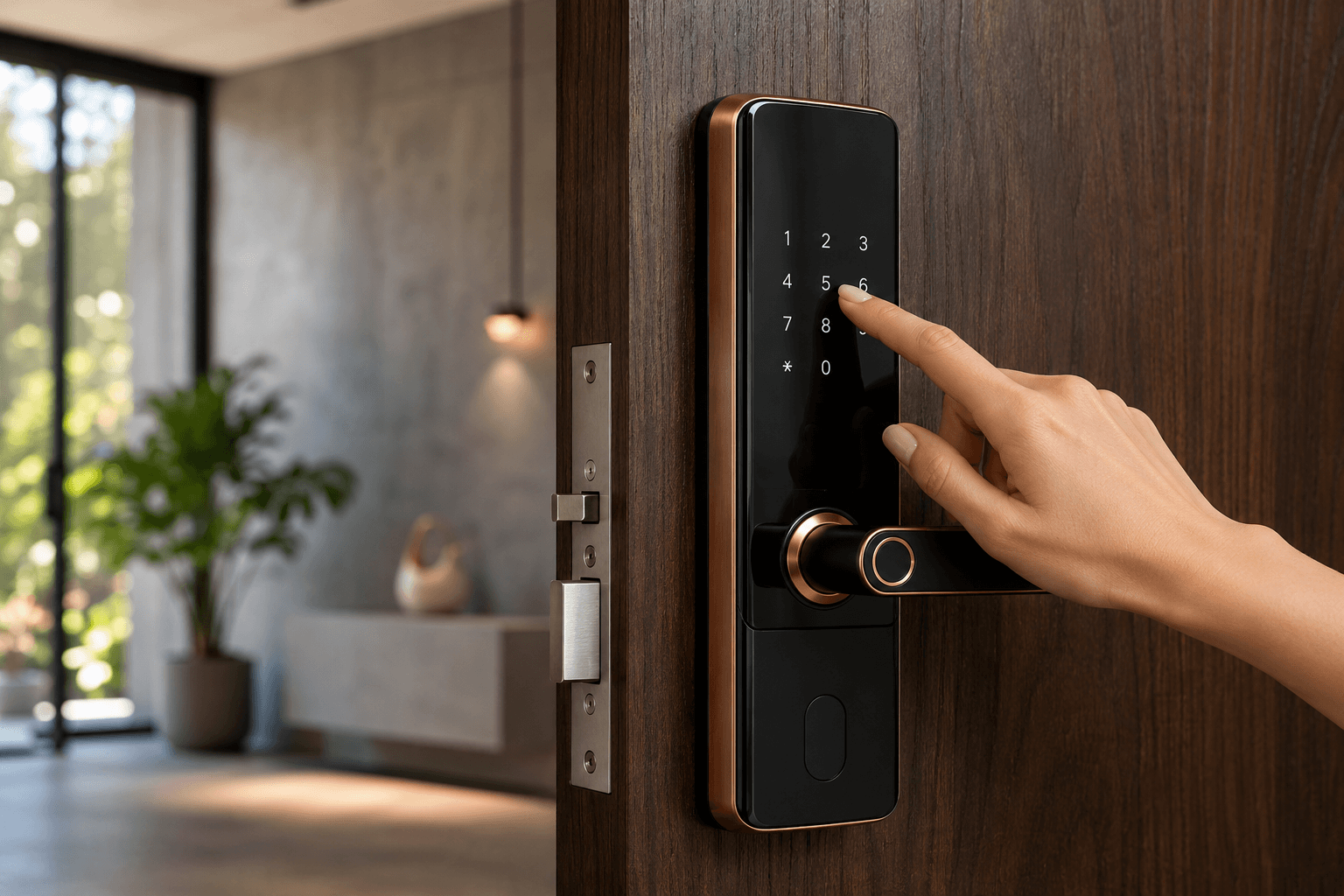
Different use cases require tailored solutions. For residential properties, fingerprint or keypad locks with remote access capabilities are popular choices. These features allow homeowners to grant temporary access to guests or service providers securely. In rental properties, locks with audit trails and app-based management streamline tenant turnover processes.
Hospitality buyers often prioritize locks with RFID card access and centralized management systems. These features enable seamless room access control and improve the guest experience. For apartment complexes, integrating locks into a broader access control system simplifies property management and enhances security.
KEYPLUS provides solutions tailored to these scenarios, offering products with features like biometric authentication, temporary passcodes, and Tuya or TTLock integration. Their flexibility in OEM/ODM customization ensures that buyers can source products that meet specific project requirements.
Sourcing Strategy and Long-Term Partnership Value
Sourcing electronic entry door locks requires a strategic approach. Importers and distributors should prioritize suppliers with proven manufacturing expertise and strong after-sales support. Additionally, evaluating lead times and MOQs can help buyers align procurement with project timelines.
As the smart lock market grows at a CAGR of 18.4% (MarketsandMarkets, 2023), building long-term partnerships with reliable suppliers like KEYPLUS can reduce project risks and accelerate go-to-market strategies. OEM/ODM flexibility, combined with certification support, ensures that buyers receive products optimized for their target markets.
Frequently Asked Questions
What’s the best smart lock on the market?
The best smart lock depends on your specific needs. For example, Tuya-integrated locks offer excellent connectivity for smart home systems. According to McKinsey (2023), 73% of buyers prioritize app integration and remote access. Consider locks with ANSI/BHMA Grade 1 certification for added durability and security.
What are the disadvantages of smart locks?
Smart locks rely on power sources, which can pose challenges if batteries are not maintained. However, many models include mechanical key backups for emergencies. Additionally, cybersecurity risks can arise if the software is not updated regularly. Buyers should choose products with robust app ecosystems and regular firmware updates.
What happens to smart locks when power goes out?
Most smart locks operate on battery power, so they remain functional during power outages. Locks with low-battery alerts help users avoid unexpected failures. For additional security, mechanical key backups ensure access during emergencies.
Can smart locks be opened with a key?
Many smart locks include a mechanical key option for backup access. This feature ensures reliability in case of battery failure or technical issues. Buyers should confirm this capability when sourcing locks for critical applications.
Are smart locks secure against hacking?
Smart locks with advanced encryption and regular firmware updates are highly secure. Buyers should prioritize products with robust cybersecurity measures to minimize risks. Integration with trusted platforms like Tuya or TTLock adds an additional layer of security.
How do I choose the right smart lock for my project?
Consider factors like door compatibility, unlock methods, app integration, and certification requirements. For example, ANSI/BHMA Grade 1 locks are ideal for commercial projects. Partnering with a reliable supplier like KEYPLUS ensures access to customizable solutions that meet specific project needs.

