
Do Hotel Doors Use RFID? A Look at the Technology Behind Your Keycard
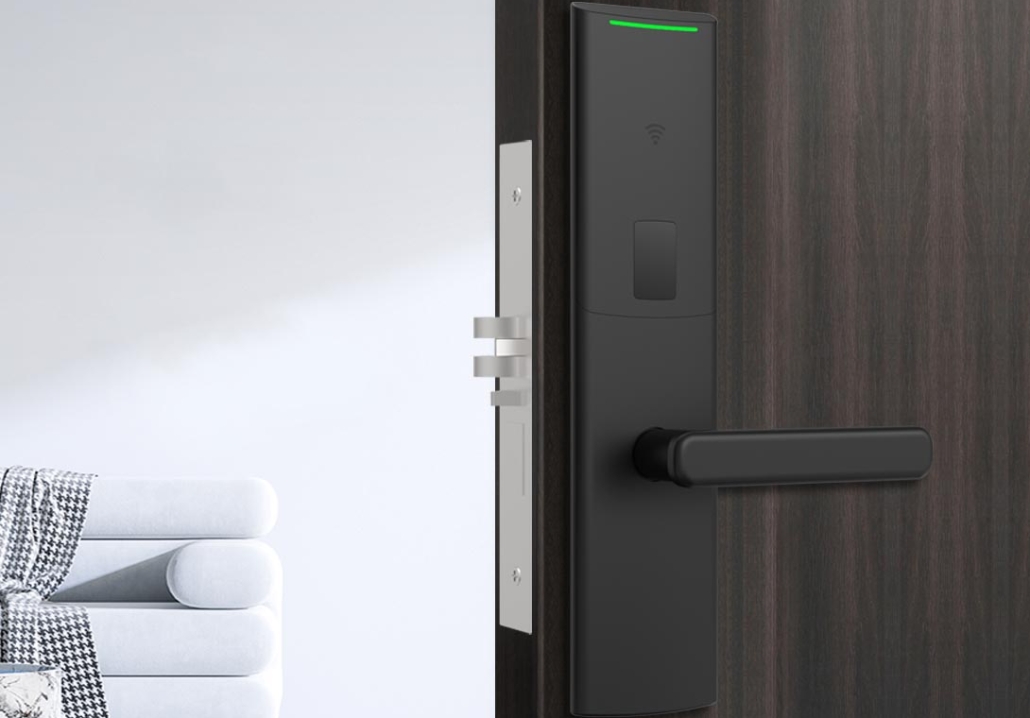
When you check into a hotel, chances are you’re handed a keycard instead of a traditional metal key. But have you ever wondered how these cards actually work? Many modern hotels use Radio-Frequency Identification (RFID) technology to secure guest rooms, replacing older magnetic stripe cards. RFID keycards offer a faster, more secure, and more convenient way for guests to access their rooms—no more fumbling with easily demagnetized strips or bulky keys.
RFID works by using electromagnetic fields to automatically identify and track tags attached to objects—in this case, your hotel keycard. Unlike magnetic stripe cards, which require swiping, RFID cards only need to be waved near the door lock, making entry quicker and more seamless. This technology has become increasingly popular in the U.S. hospitality industry, with major hotel chains like Marriott, Hilton, and Hyatt adopting RFID-based systems for improved guest experience and security.
How RFID Hotel Door Locks Work
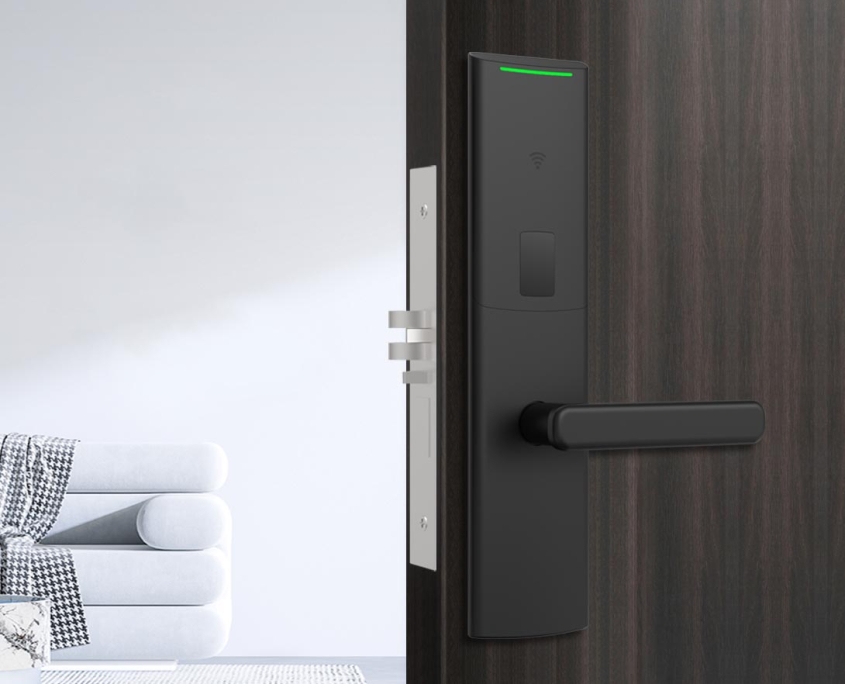
An RFID-enabled hotel door lock consists of two main components: the keycard (RFID tag) and the door reader (RFID scanner). The keycard contains a small microchip and an antenna that communicates with the reader via radio waves. When you hold the card close to the lock, the reader emits a signal that powers the chip, allowing it to transmit a unique encrypted code. If the code matches the one stored in the hotel’s system, the door unlocks.
One major advantage of RFID over traditional magnetic keys is durability. Magnetic stripe cards can wear out or become unreadable if exposed to magnets or rough handling, whereas RFID cards are less prone to damage. Additionally, RFID systems allow hotels to remotely update access permissions, meaning front desk staff can instantly deactivate lost cards or extend a guest’s stay without issuing a new key. Some high-end hotels even integrate RFID with mobile apps, letting guests use their smartphones as digital keys.
Security and Privacy Considerations
While RFID keycards offer convenience, some travelers worry about security risks. Could someone steal your card’s data or clone it to gain unauthorized access? The short answer is: it’s possible but unlikely with modern systems. Most hotel RFID locks use encryption and rolling codes, meaning the access signal changes each time the card is used, making duplication extremely difficult.
That said, older or poorly implemented RFID systems could be vulnerable to hacking. Security researchers have demonstrated ways to intercept RFID signals using specialized devices, but such attacks are rare in real-world scenarios. To minimize risks, hotels frequently update their systems and use advanced encryption methods. Guests can also protect themselves by returning keycards at checkout (since they often contain personal stay information) or requesting that the card be deactivated immediately if lost.
The Future of Hotel Door Technology
RFID is just one step in the evolution of hotel security. Many properties are now experimenting with Bluetooth and NFC (Near Field Communication) locks, allowing guests to unlock doors with their smartphones. Biometric systems, such as fingerprint or facial recognition, are also being tested in some high-tech hotels. However, RFID remains the dominant technology due to its reliability and cost-effectiveness.
As hotels continue to prioritize contactless and automated experiences, RFID keycards will likely remain a standard feature—at least for the near future. For American travelers, this means faster check-ins, fewer key-related hassles, and better overall security. So the next time you tap your keycard to enter your room, you’ll know there’s some pretty smart technology working behind the scenes.
Would you prefer an RFID keycard or a smartphone-based entry system? As hotels innovate, guests may soon have even more choices for seamless, secure access.
Related Blog
 https://www.keyplusystem.com/wp-content/uploads/2026/10/image-20261010-080119085.png
1024
1536
Wu, Wendy
/wp-content/uploads/2023/05/logo.png
Wu, Wendy2026-10-10 06:01:302026-10-10 06:01:31Driving Hotel Efficiency with Advanced Digital Door Locks: The Ultimate B2B Guide
https://www.keyplusystem.com/wp-content/uploads/2026/10/image-20261010-080119085.png
1024
1536
Wu, Wendy
/wp-content/uploads/2023/05/logo.png
Wu, Wendy2026-10-10 06:01:302026-10-10 06:01:31Driving Hotel Efficiency with Advanced Digital Door Locks: The Ultimate B2B Guide https://www.keyplusystem.com/wp-content/uploads/2026/10/image-20261010-000134148.png
1024
1536
Wu, Wendy
/wp-content/uploads/2023/05/logo.png
Wu, Wendy2026-10-09 22:01:442026-10-09 22:01:46Revolutionizing Hotel Security: RFID Key Cards and AIoT Smart Lock Solutions by KEYPLUS
https://www.keyplusystem.com/wp-content/uploads/2026/10/image-20261010-000134148.png
1024
1536
Wu, Wendy
/wp-content/uploads/2023/05/logo.png
Wu, Wendy2026-10-09 22:01:442026-10-09 22:01:46Revolutionizing Hotel Security: RFID Key Cards and AIoT Smart Lock Solutions by KEYPLUS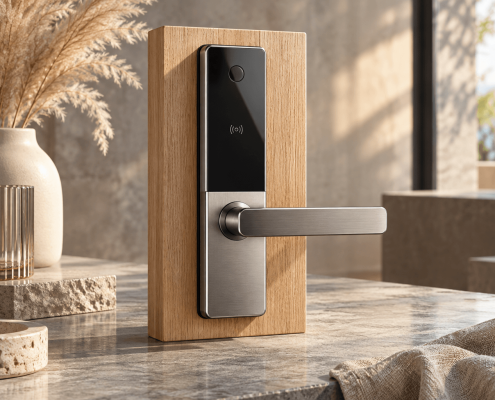 https://www.keyplusystem.com/wp-content/uploads/2026/10/image-20261009-160126393.png
1024
1536
Wu, Wendy
/wp-content/uploads/2023/05/logo.png
Wu, Wendy2026-10-09 14:01:362026-10-09 14:01:38The Future of Hospitality: Wireless Hotel Lock Systems Powered by KEYPLUS
https://www.keyplusystem.com/wp-content/uploads/2026/10/image-20261009-160126393.png
1024
1536
Wu, Wendy
/wp-content/uploads/2023/05/logo.png
Wu, Wendy2026-10-09 14:01:362026-10-09 14:01:38The Future of Hospitality: Wireless Hotel Lock Systems Powered by KEYPLUS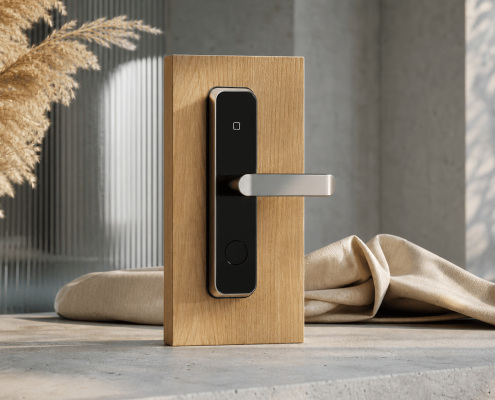 https://www.keyplusystem.com/wp-content/uploads/2026/10/image-20261009-080202455.png
1024
1536
Wu, Wendy
/wp-content/uploads/2023/05/logo.png
Wu, Wendy2026-10-09 06:02:152026-10-09 06:02:17Revolutionizing Hotel Security: The Future of Smart Locks for Hospitality Spaces
https://www.keyplusystem.com/wp-content/uploads/2026/10/image-20261009-080202455.png
1024
1536
Wu, Wendy
/wp-content/uploads/2023/05/logo.png
Wu, Wendy2026-10-09 06:02:152026-10-09 06:02:17Revolutionizing Hotel Security: The Future of Smart Locks for Hospitality Spaces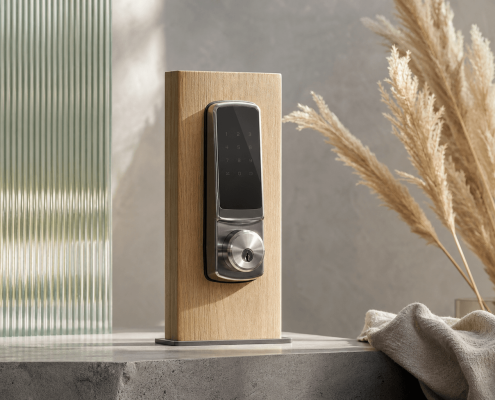 https://www.keyplusystem.com/wp-content/uploads/2026/10/image-20261009-000116876.png
1024
1536
Wu, Wendy
/wp-content/uploads/2023/05/logo.png
Wu, Wendy2026-10-08 22:01:272026-10-08 22:01:29Revolutionizing Hotel Room Security: How Smart Locks Enhance Guest Safety and Operational Efficiency
https://www.keyplusystem.com/wp-content/uploads/2026/10/image-20261009-000116876.png
1024
1536
Wu, Wendy
/wp-content/uploads/2023/05/logo.png
Wu, Wendy2026-10-08 22:01:272026-10-08 22:01:29Revolutionizing Hotel Room Security: How Smart Locks Enhance Guest Safety and Operational Efficiency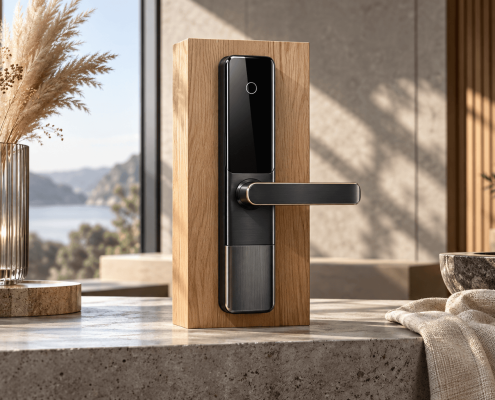 https://www.keyplusystem.com/wp-content/uploads/2026/10/image-20261008-080144553.png
1024
1536
Wu, Wendy
/wp-content/uploads/2023/05/logo.png
Wu, Wendy2026-10-08 06:01:552026-10-08 06:01:57Why Portable Locks are a Game-Changer for Modern Hotel Room Security
https://www.keyplusystem.com/wp-content/uploads/2026/10/image-20261008-080144553.png
1024
1536
Wu, Wendy
/wp-content/uploads/2023/05/logo.png
Wu, Wendy2026-10-08 06:01:552026-10-08 06:01:57Why Portable Locks are a Game-Changer for Modern Hotel Room Security
