
Best Digital Lock Trends and Buyer Insights for 2026
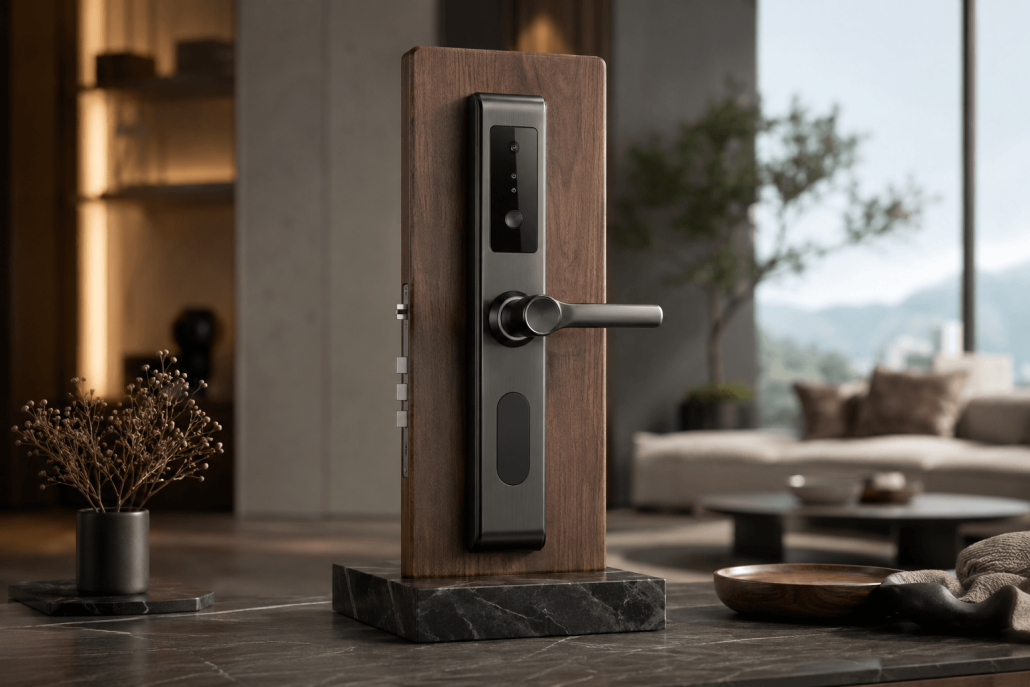
When considering Best Digital Lock, the global smart lock market is projected to reach $8.13 billion by 2026 (Fortune Business Insights, 2023). As smart home penetration surpasses 60% in developed markets (Statista, 2024), B2B buyers are increasingly prioritizing advanced access control solutions. For importers, distributors, and project buyers, understanding the latest trends in digital locks is crucial to staying competitive in a rapidly evolving industry.solutions. For importers, distributors, and project buyers, understanding the latest trends in digital locks is crucial to staying competitive in a rapidly evolving industry.
About Best Digital Lock: Smart Lock Market Demand and Application Trends
For B2B buyers, selecting the right best digital lock supplier is critical. KEYPLUS offers certified smart lock solutions with TTLock/Tuya integration, OEM/ODM flexibility, and competitive MOQ. Learn more below.
The demand for smart locks is driven by growing adoption in residential, rental, and hospitality sectors. With a market CAGR of 18.4% (MarketsandMarkets, 2023), buyers are shifting from traditional locks to digital solutions that offer enhanced convenience and security. Rental property managers, for example, rely on features like remote access and temporary PINs to streamline tenant management. Meanwhile, hotels are adopting RFID card and face recognition smart locks to improve guest experiences.
KEYPLUS, a leading smart lock manufacturer, supports these trends by offering OEM/ODM solutions tailored to residential and commercial projects. Their expertise in integrating technologies like TTLock and Tuya ensures compatibility with modern smart home ecosystems.
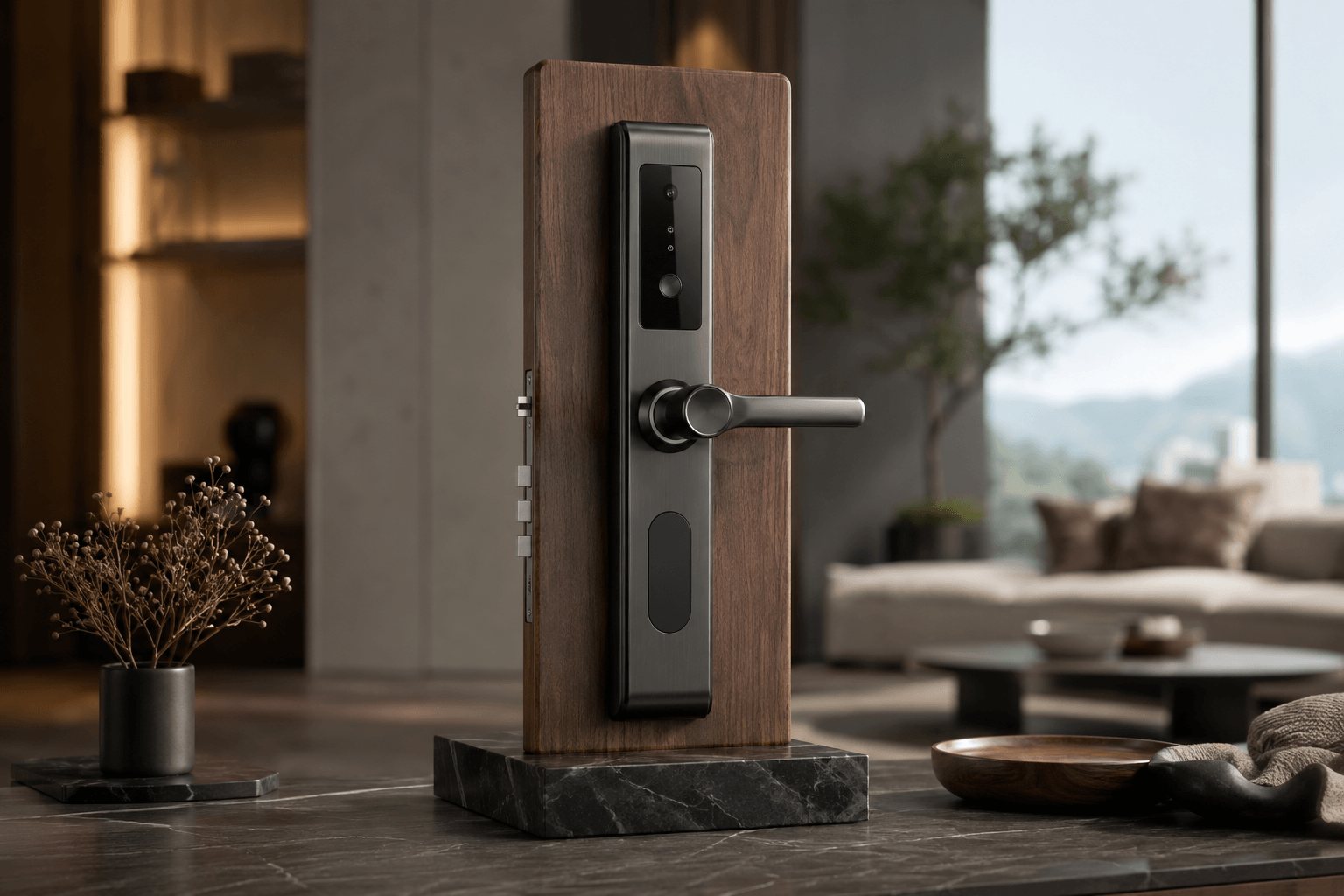
Key Features B2B Buyers Evaluate in a Smart Lock Supplier
When sourcing digital locks, buyers prioritize features that align with their project needs. According to McKinsey (2023), 73% of B2B buyers value app integration and remote access. Unlock methods such as fingerprint, RFID card, and temporary passcodes are also essential for diverse use cases. Additionally, installation compatibility with mortise locks, deadbolts, and varying door thicknesses is a critical factor.
As Sarah Lin, a Security Consultant, explains: “Buyers should evaluate not just the technology but the supplier’s ability to provide consistent quality and after-sales support.” For example, KEYPLUS offers ANSI/BHMA Grade 1 certified locks, meeting the requirements for 68% of commercial access control projects (BHMA, 2023). Their robust testing processes ensure reliability under various environmental conditions.
Compliance, Standards, and Product Qualification Requirements
Compliance with international standards is non-negotiable for importers and distributors. CE, FCC, and RoHS certifications are mandatory for most export markets. Additionally, ANSI/BHMA grading ensures that locks meet durability and security standards. For instance, buyers targeting the U.S. market often require ANSI Grade 1 or 2 locks for commercial applications.
KEYPLUS stands out by offering products that comply with these certifications. Their smart locks are rigorously tested for IP ratings, ensuring resistance to dust and water. Moreover, their app ecosystem integrates seamlessly with Tuya and TTLock platforms, simplifying access management for large-scale projects.
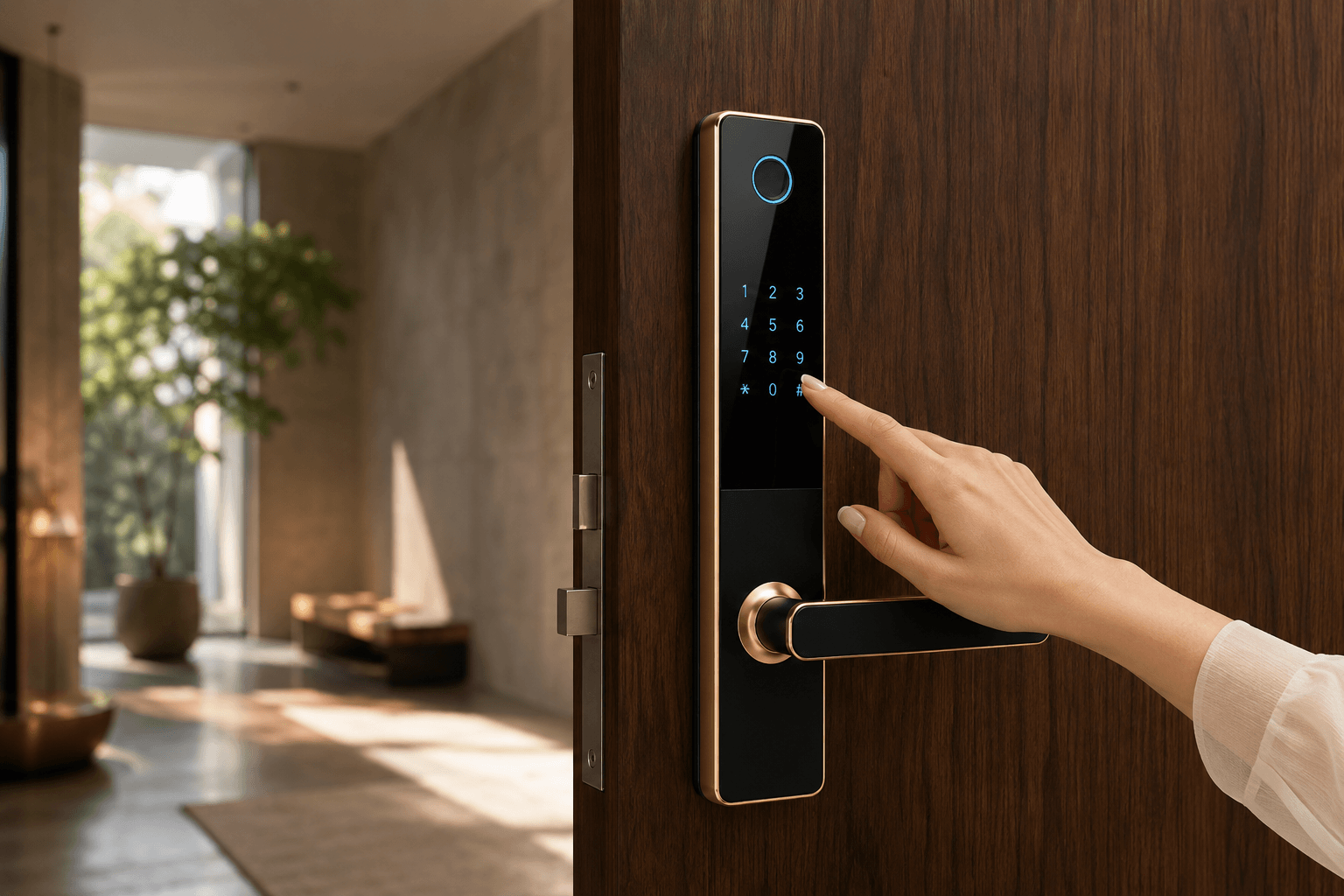
How to Choose the Right Smart Lock for Residential, Rental, or Hospitality Projects
Selecting the right digital lock requires careful consideration of the application. For residential use, features like biometric authentication and app control enhance convenience for homeowners. Rental properties benefit from remote access and temporary PINs, which simplify tenant turnover. In hospitality, RFID card access and face recognition improve guest check-in efficiency.
Buyers should also consider installation requirements, such as compatibility with existing door frames and lock types. KEYPLUS supports project buyers with flexible OEM/ODM options, low MOQs, and comprehensive documentation for smooth implementation. Their short lead times further reduce project delays.
Future Outlook for Smart Lock Manufacturing and Strategic Sourcing
The smart lock industry is poised for significant innovation. Biometric technologies like palm vein and 3D face recognition are becoming mainstream. Cloud-based access management and IoT integration will further enhance user convenience. For B2B buyers, partnering with manufacturers like KEYPLUS, who offer advanced R&D capabilities and scalable production, is essential to staying ahead in the market.
As the market grows, sourcing strategies should focus on suppliers that provide consistent quality, certification support, and customization options. By aligning with experienced partners, importers and distributors can reduce project risks and meet the evolving demands of their customers.
Frequently Asked Questions
What are the cons of smart locks?
Smart locks offer convenience but have potential drawbacks, including dependency on batteries and cybersecurity risks. According to BHMA (2023), ensuring ANSI/BHMA certification mitigates some reliability concerns. Buyers should prioritize locks with robust encryption and backup access options like mechanical keys to address these challenges.
What is the most reliable smart lock?
Reliability depends on factors like certification, build quality, and technology. ANSI/BHMA Grade 1 locks, such as those offered by KEYPLUS, are highly reliable for commercial use. As Sarah Lin notes, “Investing in certified locks ensures long-term performance and security.” Buyers should also evaluate supplier testing processes and after-sales support.
Do smart locks affect insurance?
Smart locks can positively impact insurance policies by enhancing home security. However, insurers may require locks to meet specific standards, such as ANSI/BHMA certification. Buyers should consult their insurance providers to understand coverage implications and ensure compliance with required standards.
What locks do police recommend?
Police often recommend locks with high security ratings, such as ANSI/BHMA Grade 1. These locks offer enhanced resistance to tampering and forced entry. Buyers should also consider features like biometric authentication and audit trails for added security.
Best smart lock reviews and lab tests?
Lab tests often highlight locks with superior build quality, advanced features, and certification compliance. For example, KEYPLUS smart locks consistently perform well in durability and functionality tests. Buyers should review test results for insights into product reliability and performance.
Is Schlage Encode Plus a good option?
Schlage Encode Plus is a popular choice for residential use, offering features like app control and voice assistant compatibility. However, buyers should compare it with other brands like KEYPLUS, which provide more customization options for B2B projects. Evaluating factors like certifications and supplier support is essential for informed decisions.

