
Are Hotel Door Locks Battery Powered?
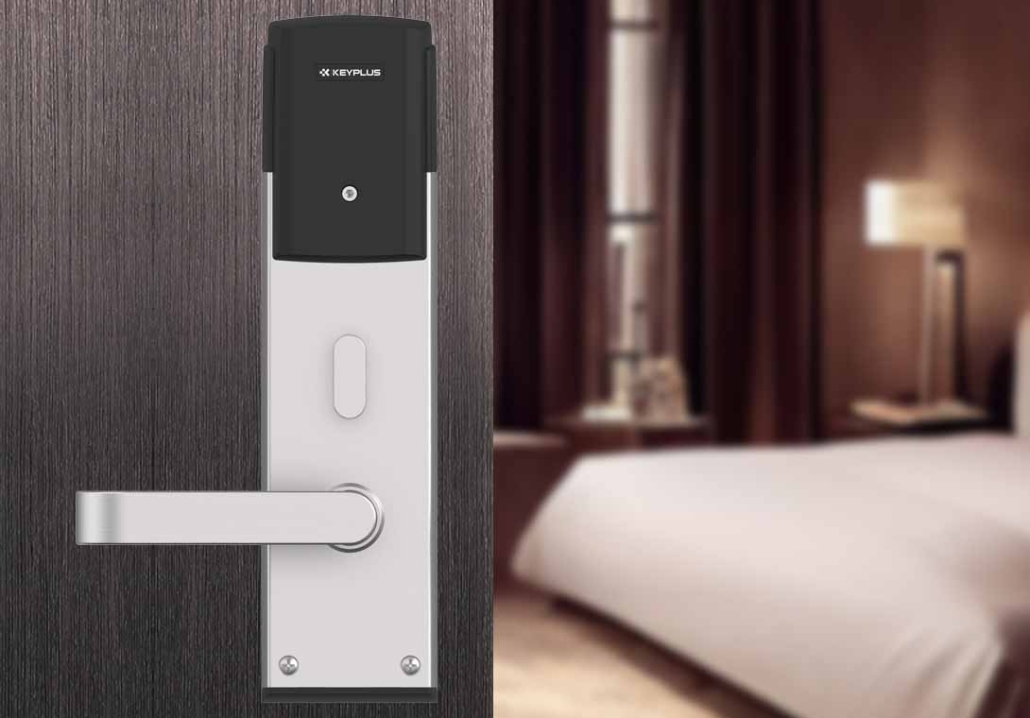
When you check into a hotel, you probably don’t think much about how your room’s door lock works—until it doesn’t. You swipe your key card, hear a beep, and the door unlocks. But what happens if the lock runs out of power? Are hotel door locks battery-powered, and what does that mean for your security and convenience?
In this article, we’ll explore how modern hotel door locks function, why most rely on batteries, and what happens when those batteries die. We’ll also compare different types of hotel locks, discuss backup power solutions, and provide tips for guests who encounter a malfunctioning lock.
How Do Hotel Door Locks Work?
Most hotels today use electronic door locks, which fall into two main categories:
- Keycard Locks – These require a magnetic stripe or RFID card to unlock.
- Mobile Key Locks – Some newer systems allow guests to unlock doors using a smartphone app (common in upscale and tech-savvy hotels).
Unlike traditional deadbolts, electronic locks don’t rely on physical keys. Instead, they use a small motor or solenoid to retract the bolt when the correct credential (keycard or digital key) is presented.
Are These Locks Battery-Powered?
Yes, most modern hotel door locks are battery-powered. Here’s why:
- No Wiring Needed – Hardwiring hundreds of doors to the hotel’s electrical system would be expensive and impractical. Batteries make installation and maintenance easier.
- Backup During Power Outages – If the hotel loses electricity, battery-powered locks continue functioning.
- Easy Replacement – Housekeeping or maintenance staff can swap out batteries without needing an electrician.
What Kind of Batteries Do Hotel Locks Use?
Most hotel locks run on AA or lithium batteries, depending on the manufacturer. Common brands like Onity, Saflok, and VingCard typically use:
- 4 to 8 AA batteries (lasting 1–2 years)
- Lithium CR123A batteries (longer lifespan, common in high-security locks)
Some premium locks have low-battery indicators, alerting staff before a failure occurs.
What Happens When the Battery Dies?
A dead battery doesn’t necessarily lock you out. Hotels have backup measures:
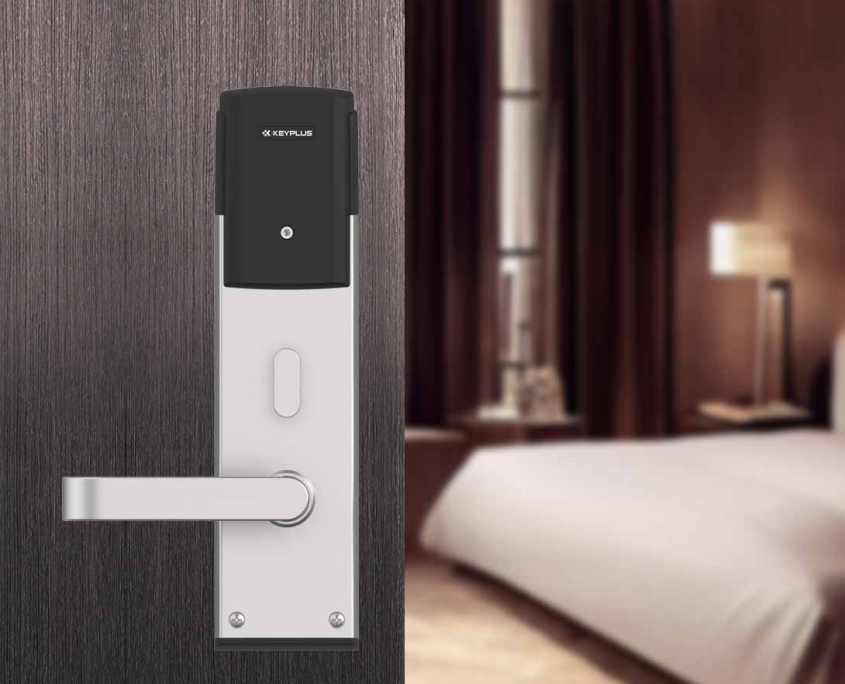
- Manual Override Keys – Some locks have a physical keyhole as a last resort.
- External Power Packs – Maintenance staff may carry portable battery packs to jump-start the lock.
- Master Key Override – If the lock is part of a networked system, the front desk might reset it remotely.
However, if you’re stuck outside your room, the quickest solution is to call the front desk for assistance.
Pros and Cons of Battery-Powered Hotel Locks
Advantages
Reliable – Work even during power outages.
Easy to Maintain – No complex wiring; batteries are cheap to replace.
Flexible Upgrades – Hotels can switch keycard systems without rewiring doors.
Alternative Power Solutions for Hotel Locks
Some high-end hotels use hybrid systems with:
- Hardwired Locks with Battery Backup – These connect to the hotel’s power but switch to batteries if electricity fails.
- Energy-Harvesting Locks – A few models use kinetic energy (from turning the handle) or solar power to reduce battery dependency.
What Should You Do If Your Hotel Door Lock Fails?
- Check for a Low Battery Warning – Some locks beep or flash a red light when power is critical.
- Try Another Key Card – Sometimes, the issue is a demagnetized card, not the lock.
- Contact the Front Desk Immediately – They can send help or move you to another room.
Final Thoughts
Hotel door locks are almost always battery-powered for convenience, cost-efficiency, and reliability. While battery failures are rare, they can happen—so it’s good to know how these systems work. Next time you hear that familiar beep when entering your room, you’ll appreciate the technology keeping your stay secure.
Would you prefer a hotel with traditional keys, keycards, or smartphone entry? Let us know in the comments!
Related Blog
 https://www.keyplusystem.com/wp-content/uploads/2026/09/image-20260911-000140564.png
1024
1536
Wu, Wendy
/wp-content/uploads/2023/05/logo.png
Wu, Wendy2026-09-10 22:01:502026-09-10 22:01:52Unlocking the Future: KEYPLUS’s Role in Smart Lock Innovation and Security
https://www.keyplusystem.com/wp-content/uploads/2026/09/image-20260911-000140564.png
1024
1536
Wu, Wendy
/wp-content/uploads/2023/05/logo.png
Wu, Wendy2026-09-10 22:01:502026-09-10 22:01:52Unlocking the Future: KEYPLUS’s Role in Smart Lock Innovation and Security https://www.keyplusystem.com/wp-content/uploads/2026/09/image-20260910-160138024.png
1024
1536
Wu, Wendy
/wp-content/uploads/2023/05/logo.png
Wu, Wendy2026-09-10 14:01:482026-09-10 14:01:49Unlocking the Future: Why KEYPLUS Smart Access Solutions Lead the Industry
https://www.keyplusystem.com/wp-content/uploads/2026/09/image-20260910-160138024.png
1024
1536
Wu, Wendy
/wp-content/uploads/2023/05/logo.png
Wu, Wendy2026-09-10 14:01:482026-09-10 14:01:49Unlocking the Future: Why KEYPLUS Smart Access Solutions Lead the Industry https://www.keyplusystem.com/wp-content/uploads/2026/09/image-20260910-080125824.png
1024
1536
Wu, Wendy
/wp-content/uploads/2023/05/logo.png
Wu, Wendy2026-09-10 06:01:382026-09-10 06:01:40Unlocking Enterprise Potential: Why Wi-Fi Smart Locks Are Revolutionizing B2B Access Control
https://www.keyplusystem.com/wp-content/uploads/2026/09/image-20260910-080125824.png
1024
1536
Wu, Wendy
/wp-content/uploads/2023/05/logo.png
Wu, Wendy2026-09-10 06:01:382026-09-10 06:01:40Unlocking Enterprise Potential: Why Wi-Fi Smart Locks Are Revolutionizing B2B Access Control https://www.keyplusystem.com/wp-content/uploads/2026/09/image-20260910-000119658.png
1024
1536
Wu, Wendy
/wp-content/uploads/2023/05/logo.png
Wu, Wendy2026-09-09 22:01:292026-09-09 22:01:31Unlocking the Future of Access Control: KEYPLUS’s Edge in Level Door Lock Innovation
https://www.keyplusystem.com/wp-content/uploads/2026/09/image-20260910-000119658.png
1024
1536
Wu, Wendy
/wp-content/uploads/2023/05/logo.png
Wu, Wendy2026-09-09 22:01:292026-09-09 22:01:31Unlocking the Future of Access Control: KEYPLUS’s Edge in Level Door Lock Innovation https://www.keyplusystem.com/wp-content/uploads/2026/09/image-20260909-160322766.png
1024
1536
Wu, Wendy
/wp-content/uploads/2023/05/logo.png
Wu, Wendy2026-09-09 14:03:332026-09-09 14:03:35Revolutionizing Access Control: How KEYPLUS Smart Locks Outperform in Enterprise Environments
https://www.keyplusystem.com/wp-content/uploads/2026/09/image-20260909-160322766.png
1024
1536
Wu, Wendy
/wp-content/uploads/2023/05/logo.png
Wu, Wendy2026-09-09 14:03:332026-09-09 14:03:35Revolutionizing Access Control: How KEYPLUS Smart Locks Outperform in Enterprise Environments https://www.keyplusystem.com/wp-content/uploads/2026/09/image-20260909-080135197.png
1024
1536
Wu, Wendy
/wp-content/uploads/2023/05/logo.png
Wu, Wendy2026-09-09 06:01:452026-09-09 06:01:47Invisible Technology Meets Enterprise Security: A B2B Guide to Smart Locks by KEYPLUS
https://www.keyplusystem.com/wp-content/uploads/2026/09/image-20260909-080135197.png
1024
1536
Wu, Wendy
/wp-content/uploads/2023/05/logo.png
Wu, Wendy2026-09-09 06:01:452026-09-09 06:01:47Invisible Technology Meets Enterprise Security: A B2B Guide to Smart Locks by KEYPLUS
