
WiFi Door Knob Market Trends for 2024 Buyers
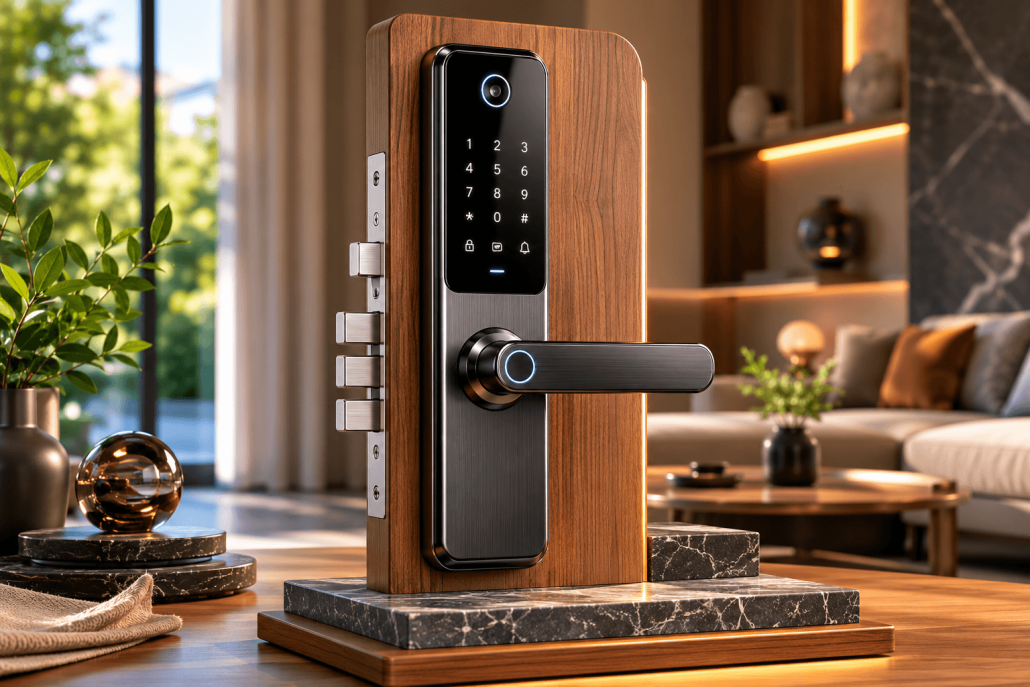
The global smart lock market is projected to reach $8.13 billion by 2026 (Fortune Business Insights, 2023). This rapid growth is driven by increasing demand for secure, convenient, and connected access solutions across residential, hospitality, and rental property sectors. Among these solutions, WiFi door knobs are emerging as a top choice due to their seamless integration with smart home ecosystems and remote access capabilities.
Why Demand for WiFi Door Knobs is Rising
Smart home penetration in developed markets is expected to surpass 60% by 2026 (Statista, 2024). This trend is fueling the adoption of WiFi-enabled locks, including door knobs, which offer homeowners and property managers the ability to control access remotely. For example, rental property managers can grant or revoke access instantly, reducing the need for traditional keys.
Moreover, the hospitality industry increasingly relies on smart locks to streamline guest check-ins and enhance security. WiFi door knobs with app integration, such as those compatible with TTLock or Tuya, allow hotels to provide keyless entry and monitor access logs efficiently.
73% of B2B buyers prioritize app integration and remote access when sourcing smart locks (McKinsey, 2023). This underscores the importance of selecting products that support advanced features like biometric authentication, temporary PINs, and audit trails.
Key Features B2B Buyers Evaluate in WiFi Door Knobs
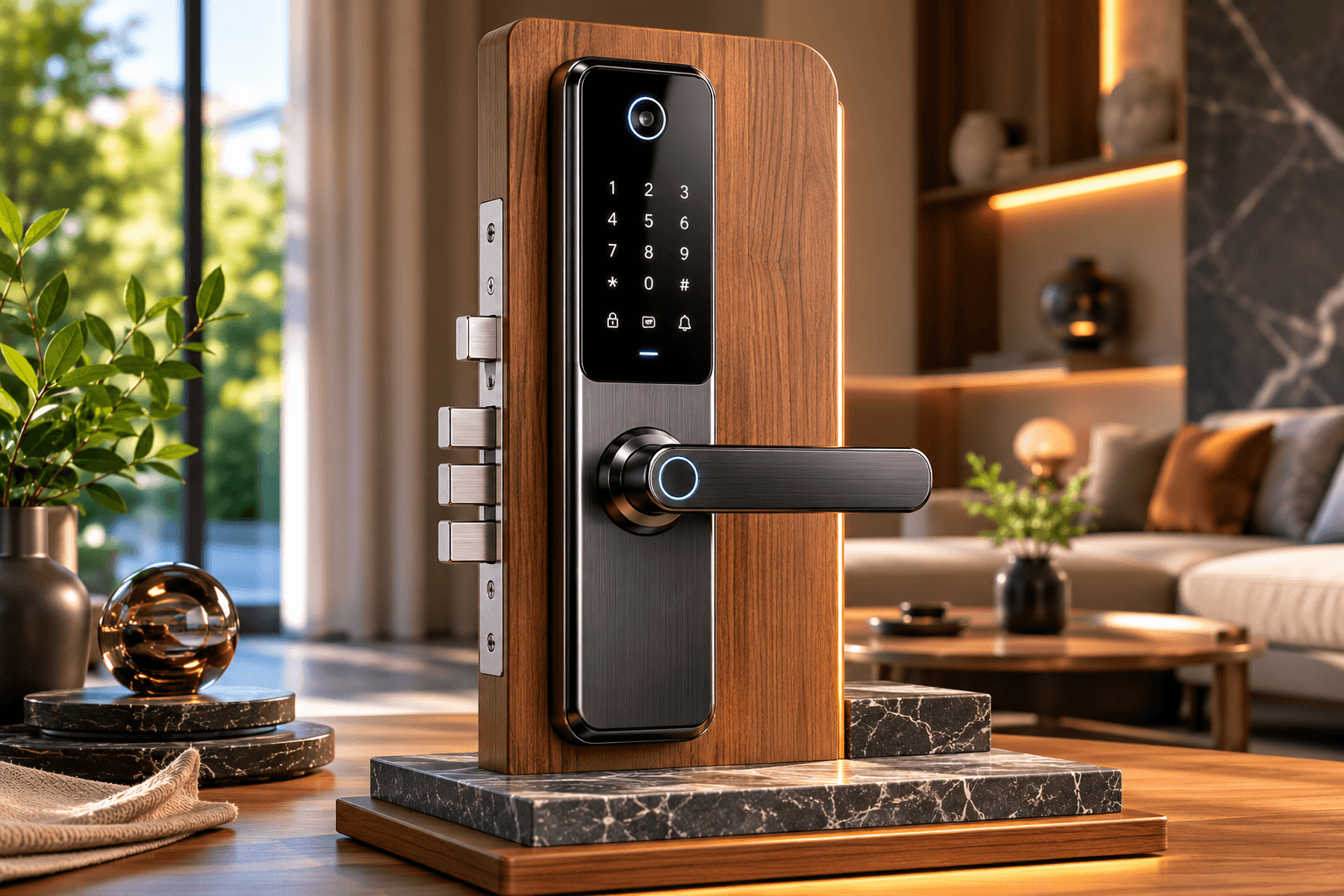
When choosing a WiFi door knob, buyers should assess several critical features. Unlock methods, such as fingerprint recognition, RFID card access, and password entry, are key differentiators. For instance, a biometric lock that supports fingerprint authentication can enhance security and user convenience.
App ecosystem compatibility is another vital factor. Many buyers prefer locks that integrate seamlessly with Tuya or TTLock platforms. These integrations enable remote management, real-time notifications, and centralized access control for multiple properties.
Installation compatibility is equally important. WiFi door knobs must fit various door types and thicknesses while maintaining durability. ANSI/BHMA Grade 1 certification is required for 68% of commercial access control projects (BHMA, 2023), making certification a top priority for many buyers.
As Sarah Johnson, a property technology consultant, notes: “B2B buyers should evaluate not only the product’s features but also the manufacturer’s ability to provide ongoing support and customization for large-scale projects.” This highlights the importance of partnering with experienced manufacturers that offer OEM/ODM services and low MOQs.
Compliance and Technical Considerations for WiFi Door Knobs
Compliance with standards like CE, FCC, and RoHS is crucial for ensuring product quality and market acceptance. Buyers targeting the European market, for example, must source products with CE certification to meet regulatory requirements.
Battery performance is another technical consideration. WiFi door knobs with energy-efficient designs and long battery life reduce maintenance costs and enhance user satisfaction. Additionally, IP ratings for water and dust resistance are essential for outdoor installations.
Compatibility with voice assistants like Alexa and Google Home is increasingly in demand. Such features allow users to control locks hands-free, enhancing convenience and accessibility.
Choosing the Right WiFi Door Knob for Your Application
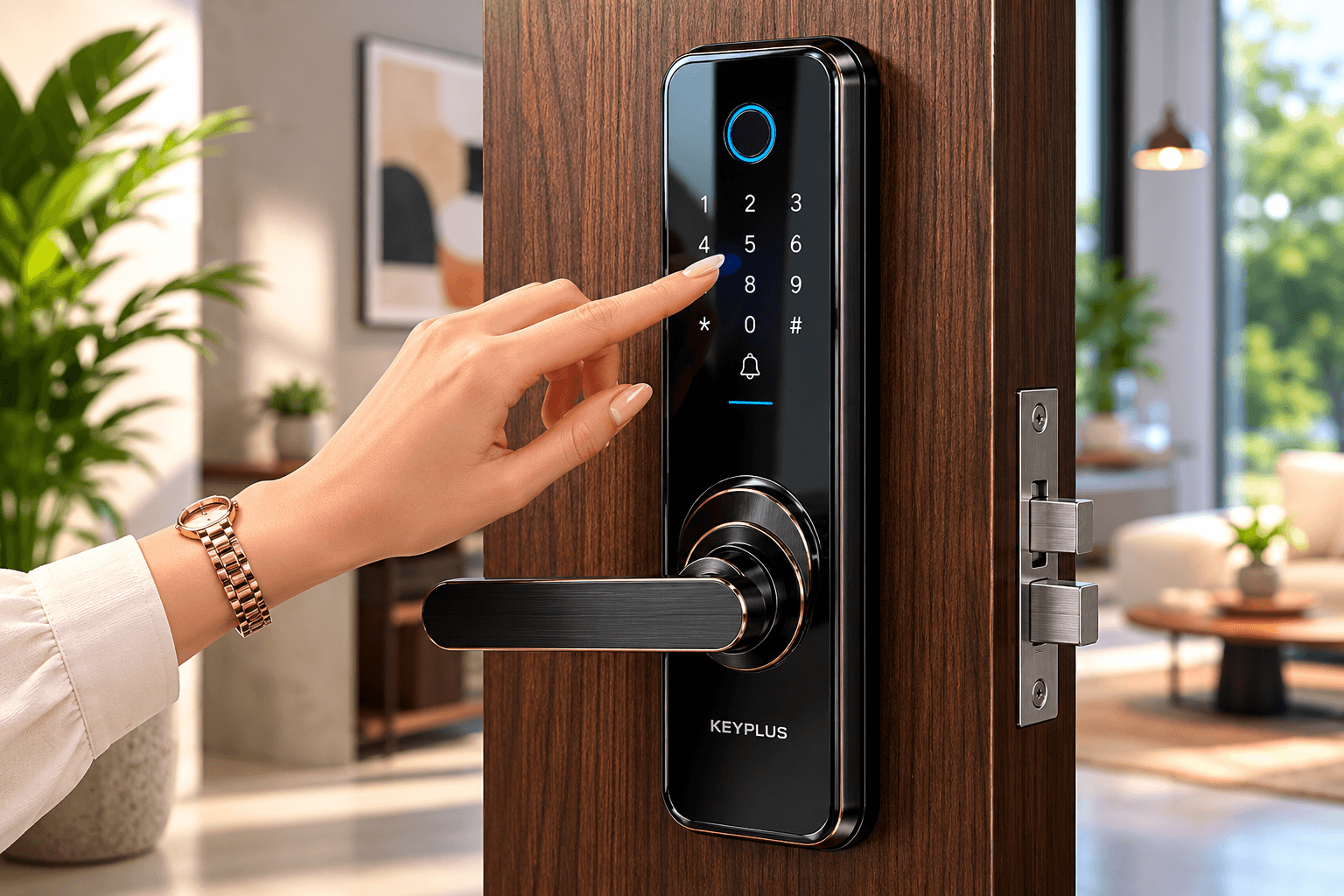
Selecting a WiFi door knob requires careful consideration of the intended application. For residential use, features like fingerprint recognition and app control are often sufficient. However, rental property managers may require advanced access management tools, such as audit trails and temporary passcodes.
Hotels and large-scale projects demand robust solutions that support centralized access control and integration with property management systems. WiFi door knobs with Tuya or TTLock compatibility can meet these needs effectively.
Practical considerations, such as ease of installation and after-sales support, also play a significant role. Buyers should prioritize suppliers that offer detailed installation guides and responsive customer service to minimize downtime during deployment.
Sourcing Strategies for WiFi Door Knobs
To ensure long-term success, B2B buyers should partner with manufacturers that offer OEM/ODM flexibility and competitive lead times. For example, companies specializing in smart lock R&D can provide tailored solutions that align with project requirements.
Additionally, evaluating the supplier’s production capacity and quality control processes is essential. A reliable manufacturer should provide consistent product quality, comprehensive certifications, and robust after-sales support.
As the smart lock market continues to grow at a CAGR of 18.4% (MarketsandMarkets, 2023), sourcing strategies that emphasize innovation, compliance, and scalability will position buyers for success in this dynamic industry.
Frequently Asked Questions
Which Kwikset locks are compatible with the app?
Most Kwikset smart locks, including the SmartCode series, are compatible with the Kwikset Home Connect app. According to Kwikset, these locks support remote access and integration with smart home platforms.
What is Kwikset Home Connect?
Kwikset Home Connect is a smart home platform that enables users to control their locks remotely. It supports features like remote locking/unlocking, access notifications, and integration with other smart devices.
How do I connect my Kwikset smart lock to Wi-Fi?
To connect your Kwikset smart lock to Wi-Fi, follow the manufacturer’s instructions. Typically, this involves pairing the lock with your home network using the Kwikset app or a compatible smart home hub.
Can I connect Kwikset lock to my phone?
Yes, Kwikset locks can be connected to your phone via the Kwikset app. This allows you to control the lock remotely, monitor access logs, and receive real-time notifications.
What are the disadvantages of a smart door lock?
Smart door locks may rely on batteries or Wi-Fi connectivity, which can fail if not properly maintained. Additionally, some users may find the initial setup process challenging without technical support.
Are Wi-Fi smart door locks a good idea?
Wi-Fi smart door locks are an excellent choice for users seeking convenience and enhanced security. However, buyers should ensure the lock meets their specific needs and complies with relevant standards.

