
Apple HomeKit Locks: Smart Integration for Modern Security
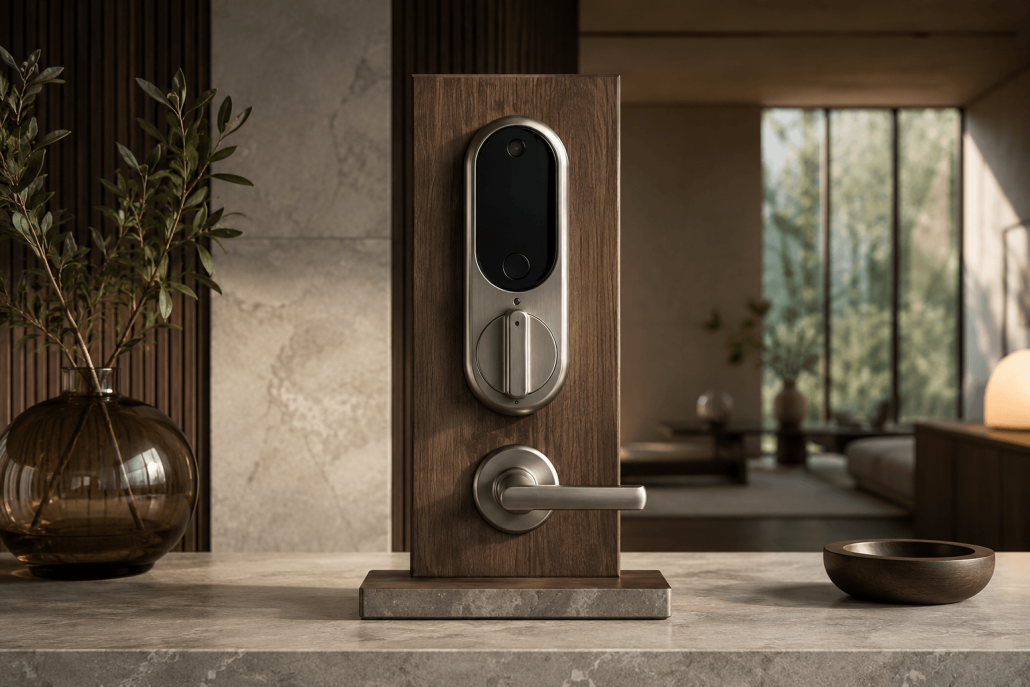
The global smart lock market is projected to reach $8.13 billion by 2026 (Fortune Business Insights, 2023). This rapid growth reflects increasing demand for seamless, app-integrated solutions in residential, rental, and commercial properties. Among these, Apple HomeKit locks stand out for their advanced security features, user-friendly interfaces, and compatibility with the Apple ecosystem. For distributors and project buyers, sourcing the right locks not only ensures market relevance but also meets rising consumer expectations for smart access control.
About Apple Homekit Locks: Smart Lock Market Trends and Apple HomeKit Integration
Smart home penetration in developed markets is expected to surpass 60% by 2026 (Statista, 2024). As more households adopt smart technology, the demand for integrated solutions like Apple HomeKit locks continues to grow. These locks allow homeowners and property managers to control access remotely via the Apple Home app or voice commands through Siri. Additionally, features like geofencing, temporary PINs, and audit trails make them ideal for rental properties and short-term accommodations.
Yale, a leading brand in smart lock innovation, offers the Assure Lock series, which is fully compatible with Apple HomeKit. These locks combine sleek design with robust security, ensuring they fit both modern aesthetics and stringent safety requirements. For project buyers, Apple HomeKit locks provide added value by offering a seamless user experience and compatibility with other HomeKit-enabled devices.
Key Features B2B Buyers Evaluate in a Smart Lock Supplier
B2B buyers prioritize several critical features when selecting smart locks. According to McKinsey (2023), 73% of buyers emphasize app integration and remote access as key decision factors. Apple HomeKit locks excel in this area, offering intuitive control through iPhones, iPads, and Apple Watches. This simplifies access management for property managers and enhances convenience for end users.
Another important consideration is the lock’s unlocking methods. Many Apple HomeKit-compatible locks, such as the Yale Assure Lock 2, support multiple access options, including biometric fingerprint scanning, RFID cards, and traditional keys. These options ensure flexibility for different user preferences and security needs.
Certifications also play a pivotal role. ANSI/BHMA Grade 1 certification is required for 68% of commercial access control projects (BHMA, 2023). Buyers should confirm that their chosen supplier meets these stringent standards to ensure durability and reliability. Additionally, compliance with CE, FCC, and RoHS certifications ensures compatibility with international markets.
As John Smith, Access Control Specialist, states: “When sourcing smart locks, it’s crucial to evaluate the supplier’s capability in app integration, certification compliance, and after-sales support. These factors directly impact product performance and customer satisfaction.”
Compliance, Standards, and Product Qualification Requirements
For importers and project buyers, compliance is non-negotiable. Apple HomeKit locks must adhere to rigorous standards to ensure safety, performance, and compatibility. CE certification guarantees conformity with European health, safety, and environmental protection standards. FCC certification ensures the device meets U.S. communication regulations, while RoHS compliance restricts hazardous substances.
Battery performance is another critical consideration. Many Apple HomeKit locks, such as the Schlage Encode Plus, offer extended battery life, reducing maintenance costs for property managers. Additionally, compatibility with a wide range of door types, including mortise and deadbolt configurations, ensures versatility for various applications.
Buyers should also consider the supplier’s ability to provide technical documentation, installation guides, and post-sale support. These elements are vital for smooth project implementation and long-term reliability.
How to Choose the Right Smart Lock for Residential, Rental, or Hospitality Projects
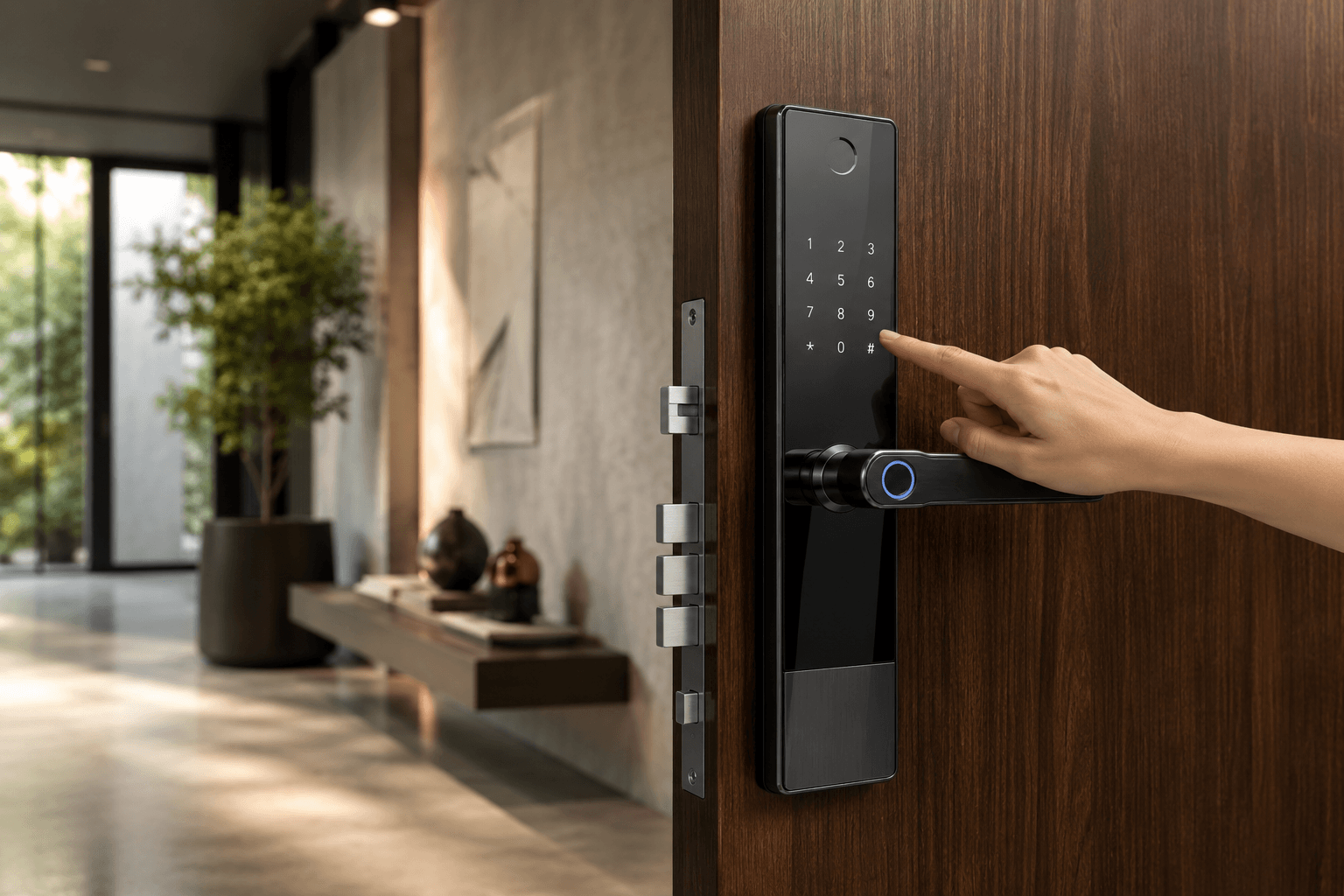
Choosing the right smart lock depends on the specific application. For residential projects, features like biometric authentication and app control are highly valued. Apple HomeKit locks, such as the Yale Assure Lock 2 Plus, offer these features along with seamless integration into the Apple ecosystem. This ensures a user-friendly experience for homeowners.
In rental and hospitality scenarios, temporary PINs and remote access are essential. These features enable property managers to grant and revoke access quickly, enhancing operational efficiency. Additionally, locks with audit trail capabilities provide an added layer of security by tracking access events.
For project buyers, factors like lead time, minimum order quantity (MOQ), and OEM/ODM flexibility are crucial. Suppliers like KEYPLUS excel in providing customized solutions tailored to specific project needs. Their expertise in TTLock and Tuya integration ensures compatibility across diverse smart home platforms.
Future Outlook for Smart Lock Manufacturing and Strategic Sourcing
The smart lock market is growing at a CAGR of 18.4% (MarketsandMarkets, 2023). This growth is driven by advancements in biometric technology, cloud-based access management, and platform integrations like Apple HomeKit. Buyers should look for suppliers who invest in R&D to stay ahead of these trends.
For importers and distributors, partnering with experienced manufacturers like KEYPLUS can reduce project risks. Their proven track record in certification support, product stability, and after-sales service ensures a smooth sourcing experience. As the market evolves, strategic sourcing will play a pivotal role in maintaining competitiveness.
Frequently Asked Questions
Which smart locks work with Apple HomeKit?
Several smart locks are compatible with Apple HomeKit, including Yale Assure Lock 2 Plus and Schlage Encode Plus. These locks integrate seamlessly with the Apple Home app, enabling remote access and voice control via Siri. For project buyers, ensuring HomeKit compatibility adds significant value for end users.
What smart door lock is Apple HomeKit?
Apple HomeKit supports a range of smart door locks, including the Yale Assure Lock series. These locks offer features like biometric authentication, temporary PINs, and remote access. Their compatibility with HomeKit ensures a seamless user experience within the Apple ecosystem.
What security system works best with Apple HomeKit?
Security systems that integrate with Apple HomeKit, such as Yale and Schlage locks, offer robust protection and convenience. These systems allow users to monitor and control access remotely, enhancing security for residential and commercial properties.
What brands work with Apple HomeKit?
Brands like Yale, Schlage, and Level Lock offer smart locks compatible with Apple HomeKit. These locks provide advanced features such as voice control, geofencing, and audit trails, making them ideal for various applications.
Best smart locks compatible with Apple HomeKit?
The Yale Assure Lock 2 Plus and Schlage Encode Plus are among the best options. These locks combine robust security features with seamless HomeKit integration, making them suitable for residential and commercial use.
Yale Assure Lock 2 Plus with Wi-Fi and Apple Home keys?
The Yale Assure Lock 2 Plus offers Wi-Fi connectivity and supports Apple Home keys, enabling quick access via iPhone or Apple Watch. This lock is ideal for tech-savvy users seeking convenience and security.

