
Keyplus Remote Door Lock System Trends and Insights
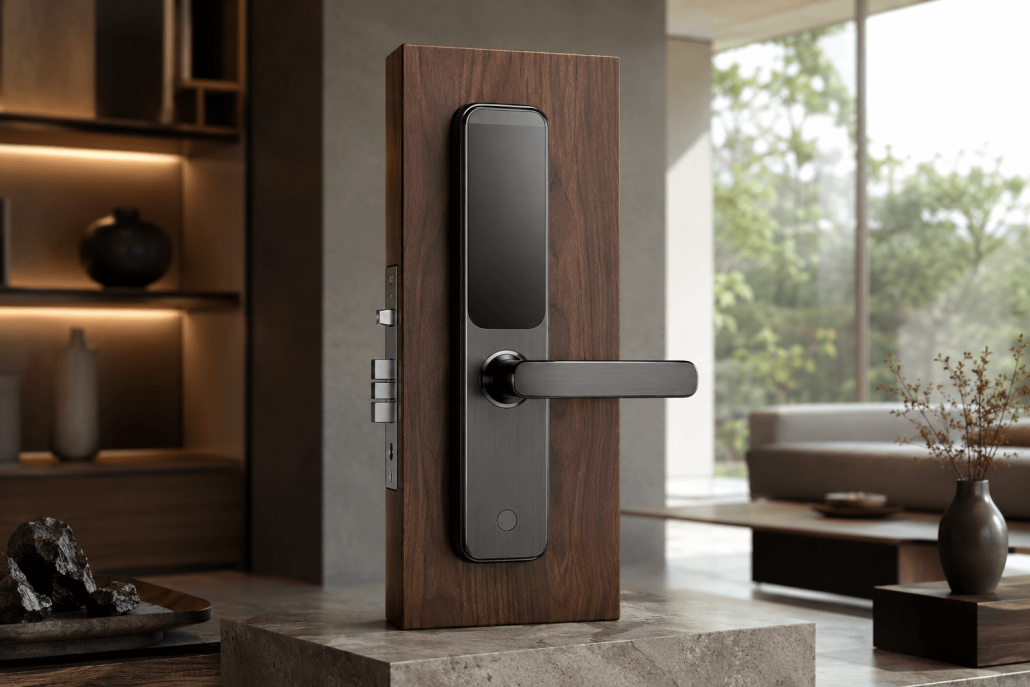
The global smart lock market is projected to reach $8.13 billion by 2026, driven by increasing demand for secure and convenient access control solutions (Fortune Business Insights, 2023). As smart home penetration surpasses 60% in developed markets (Statista, 2024), B2B buyers are prioritizing scalable and reliable systems like the Keyplus remote door lock system. These locks cater to residential, rental, and hospitality projects, offering advanced features such as remote access, temporary PIN codes, and app integration.
About Keyplus Remote Door Lock System: Rising Demand for Smart Locks in Residential and Commercial Applications
For B2B buyers, selecting the right keyplus remote door lock system supplier is critical. KEYPLUS offers certified smart lock solutions with TTLock/Tuya integration, OEM/ODM flexibility, and competitive MOQ. Learn more below.
The adoption of smart locks has surged, particularly in the residential and multifamily housing sectors. With a compound annual growth rate (CAGR) of 18.4%, the smart lock market is expanding rapidly (MarketsandMarkets, 2023). This growth is fueled by property managers and hospitality operators seeking efficient access control while enhancing user convenience. For example, temporary PINs and remote access capabilities simplify guest check-ins for short-term rentals.
Keyplus specializes in OEM and ODM solutions, allowing distributors and project buyers to customize smart locks for specific applications. Their products integrate seamlessly with Tuya and TTLock platforms, ensuring compatibility with leading smart home ecosystems. Moreover, Keyplus supports CE and FCC certifications, making their locks suitable for global markets.
Key Features B2B Buyers Evaluate in Smart Locks
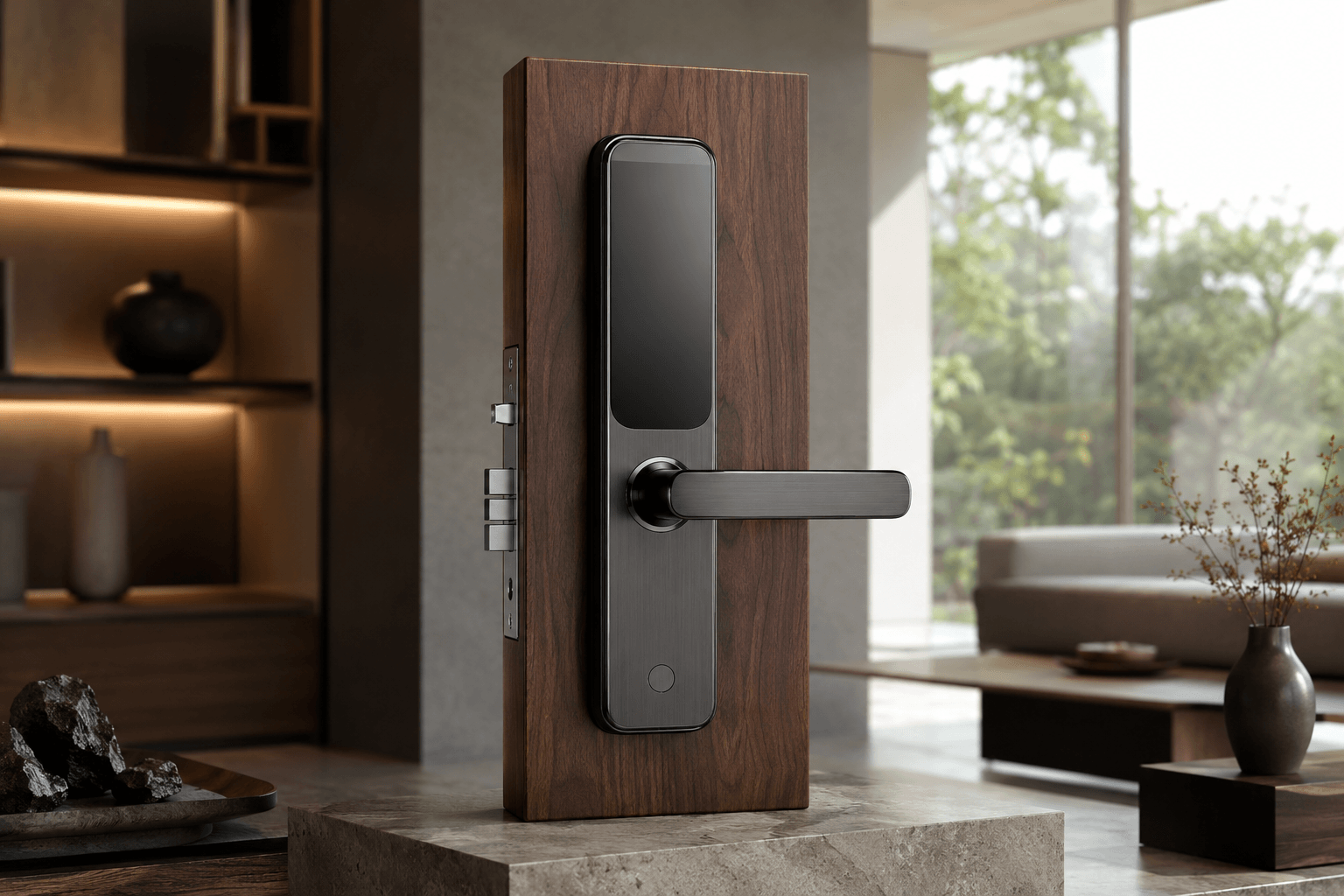
B2B buyers prioritize several critical factors when sourcing smart locks. These include unlock methods, app ecosystem compatibility, installation requirements, and certification compliance. For example, 73% of buyers emphasize app integration and remote access as top priorities (McKinsey, 2023). The Keyplus remote door lock system addresses these needs with features like fingerprint authentication, RFID card access, and mobile app control.
As Sarah Chen, a Property Technology Consultant, notes: “Smart locks must balance security, ease of use, and integration with existing systems. Buyers should evaluate both hardware quality and software compatibility.” Keyplus offers ANSI/BHMA Grade 1 certified locks, meeting the stringent requirements of 68% of commercial access control projects (BHMA, 2023). Additionally, their locks support multiple door types, ensuring flexibility across projects.
Installation compatibility is another crucial factor. Keyplus locks are designed for both retrofit and new door installations, reducing project complexity. Furthermore, their after-sales support and detailed project documentation enhance buyer confidence.
Compliance, Standards, and Technical Considerations
Compliance with certifications like CE, FCC, and RoHS is essential for importers and distributors. These standards ensure product safety, reliability, and market eligibility. For example, CE certification verifies that a product meets EU safety and environmental requirements, while FCC certification ensures compatibility with U.S. wireless communication standards.
Battery performance and durability are also key considerations. Buyers should look for smart locks with efficient power consumption and backup options. Keyplus locks feature mechanical key overrides and low-battery alerts, ensuring uninterrupted access. Moreover, their products undergo rigorous testing to meet ANSI/BHMA standards, providing assurance of long-term reliability.
Software compatibility is equally important. Keyplus integrates with Tuya and TTLock platforms, offering remote access, audit trails, and gateway connectivity. These features make their products ideal for residential and commercial applications.
Choosing the Right Smart Lock for Your Project
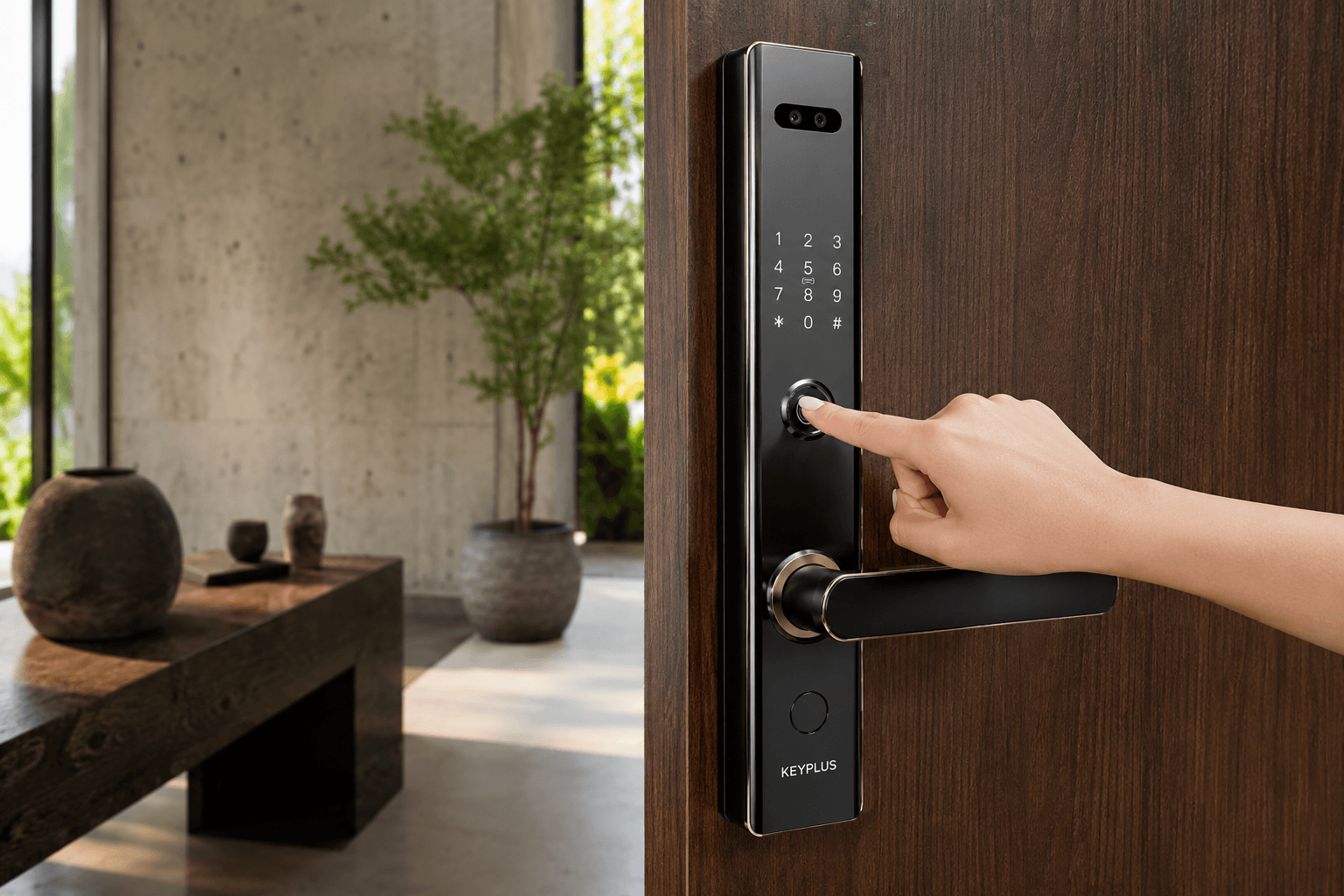
Selecting the right smart lock requires careful consideration of the project’s specific needs. For residential properties, features like fingerprint unlock and app control enhance user convenience. In hospitality settings, temporary PINs and remote access simplify guest management. Keyplus offers tailored solutions for each scenario, ensuring a perfect fit.
Door compatibility is another critical factor. Buyers should confirm that the lock supports the required door thickness and lock type, such as mortise or deadbolt. Keyplus provides detailed installation guides and technical support to streamline the process. Additionally, their OEM/ODM capabilities enable customization for unique project requirements.
Practical metrics like return rate reduction and installation efficiency also play a role. Keyplus locks are designed for durability and ease of installation, minimizing downtime and maintenance costs. Their low minimum order quantities (MOQs) and stable lead times further support project timelines.
Future Trends in Smart Lock Manufacturing and Sourcing
Biometric authentication and cloud-based access management are shaping the future of smart locks. Features like face recognition and palm vein scanning are becoming more common, offering enhanced security. Additionally, integration with smart home platforms and IoT devices is driving demand for versatile solutions.
Keyplus remains at the forefront of these trends, investing in R&D to develop cutting-edge locks. Their focus on quality, customization, and compliance positions them as a reliable partner for distributors and project buyers. For businesses seeking scalable and innovative solutions, partnering with experienced manufacturers like Keyplus can reduce project risks and accelerate go-to-market timelines.
Frequently Asked Questions
What are the problems with keyless entry door locks?
Keyless entry door locks may face issues like battery depletion, connectivity problems, or user error. According to BHMA (2023), regular maintenance and quality certification can mitigate these risks. Buyers should choose locks with backup access methods, such as mechanical keys, to ensure reliability.
What to look for in a keyless entry door lock?
Buyers should prioritize features like app integration, remote access, and certification compliance. ANSI/BHMA Grade 1 certification is essential for commercial projects. As Sarah Chen, Property Technology Consultant, states: “A well-designed lock balances security, convenience, and software compatibility.”
What are the drawbacks of keyless entry?
Drawbacks may include dependency on batteries, potential hacking risks, and higher upfront costs. However, advanced features like audit trails and remote access often outweigh these concerns. Keyplus locks include robust security measures to address these challenges.
Which keyless entry door lock is best?
The best lock depends on the application. For example, residential users may prefer fingerprint access, while hotels benefit from temporary PINs. Keyplus offers versatile solutions tailored to diverse needs, ensuring optimal performance.
How to reprogram an electronic door lock?
Reprogramming typically involves using the lock’s app or keypad. Keyplus locks feature user-friendly interfaces, allowing quick adjustments to PINs or access settings. Detailed guides and technical support are available for buyers.
What happens if a digital lock runs out of battery?
Most digital locks, including Keyplus models, include backup power options or mechanical key overrides. Low-battery alerts also help prevent lockouts. Regular maintenance ensures consistent performance.

