
Keyplus Google Home Lock: Smart Access Solutions for B2B Buyers
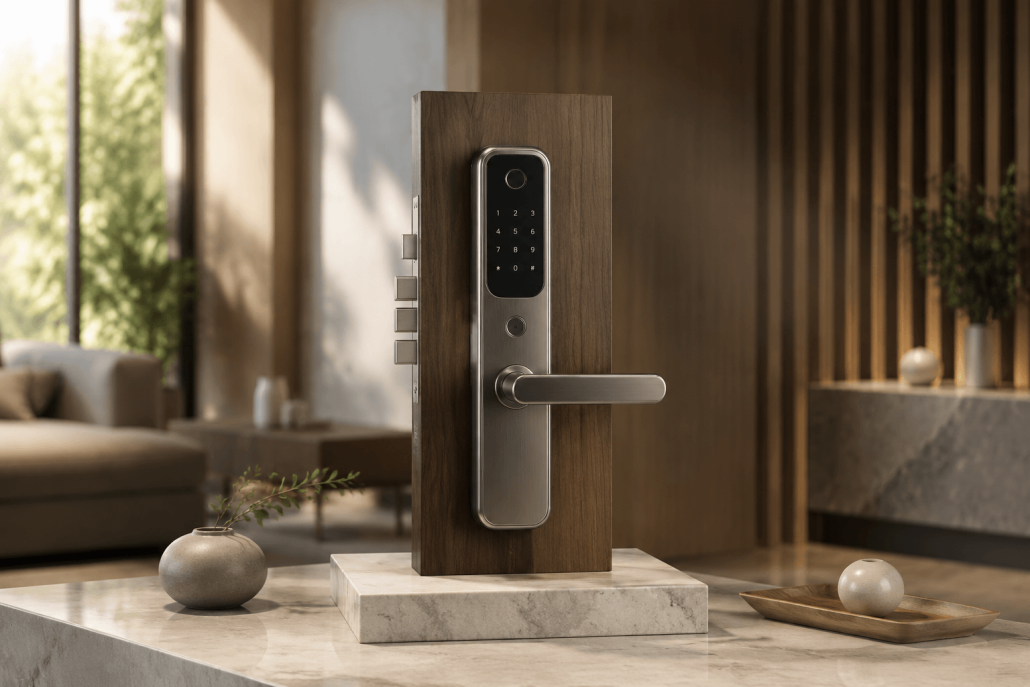
When considering Keyplus Google Home Lock, the global smart lock market is projected to reach $8.13 billion by 2026, with a compound annual growth rate (CAGR) of 18.4% (Fortune Business Insights, 2023; MarketsandMarkets, 2023). This surge reflects growing demand across residential, rental, and hospitality sectors. One key driver is the integration of smart locks with platforms like Google Home, which enable seamless control and automation. For B2B buyers, sourcing the right smart lock solutions involves balancing innovation, compliance, and project-specific requirements.residential, rental, and hospitality sectors. One key driver is the integration of smart locks with platforms like Google Home, which enable seamless control and automation. For B2B buyers, sourcing the right smart lock solutions involves balancing innovation, compliance, and project-specific requirements.
About Keyplus Google Home Lock: Smart Lock Market Trends and Application Growth
For B2B buyers, selecting the right keyplus google home lock supplier is critical. KEYPLUS offers certified smart lock solutions with TTLock/Tuya integration, OEM/ODM flexibility, and competitive MOQ. Learn more below.
Smart home penetration in developed markets is expected to surpass 60% by 2026, making smart locks a cornerstone of connected living (Statista, 2024). In addition to residential use, industries such as hospitality and rental property management are turning to digital locks for better access control and operational efficiency. For example, temporary PIN codes and remote access features are highly valued in short-term rental properties.
Brands like Keyplus are meeting this demand through advanced integrations with platforms such as Tuya and TTLock. These capabilities provide B2B buyers with flexible options for managing multiple units, tracking access logs, and ensuring secure entry. Moreover, the ability to customize solutions for residential, apartment, or hotel applications positions Keyplus as a trusted partner for distributors and property managers.
Key Features B2B Buyers Evaluate in a Smart Lock Supplier
For B2B procurement teams, choosing the right smart lock supplier involves assessing both product features and supplier capabilities. According to McKinsey (2023), 73% of buyers prioritize app integration and remote access when evaluating smart locks. This preference highlights the importance of user-friendly software ecosystems that support seamless operation.
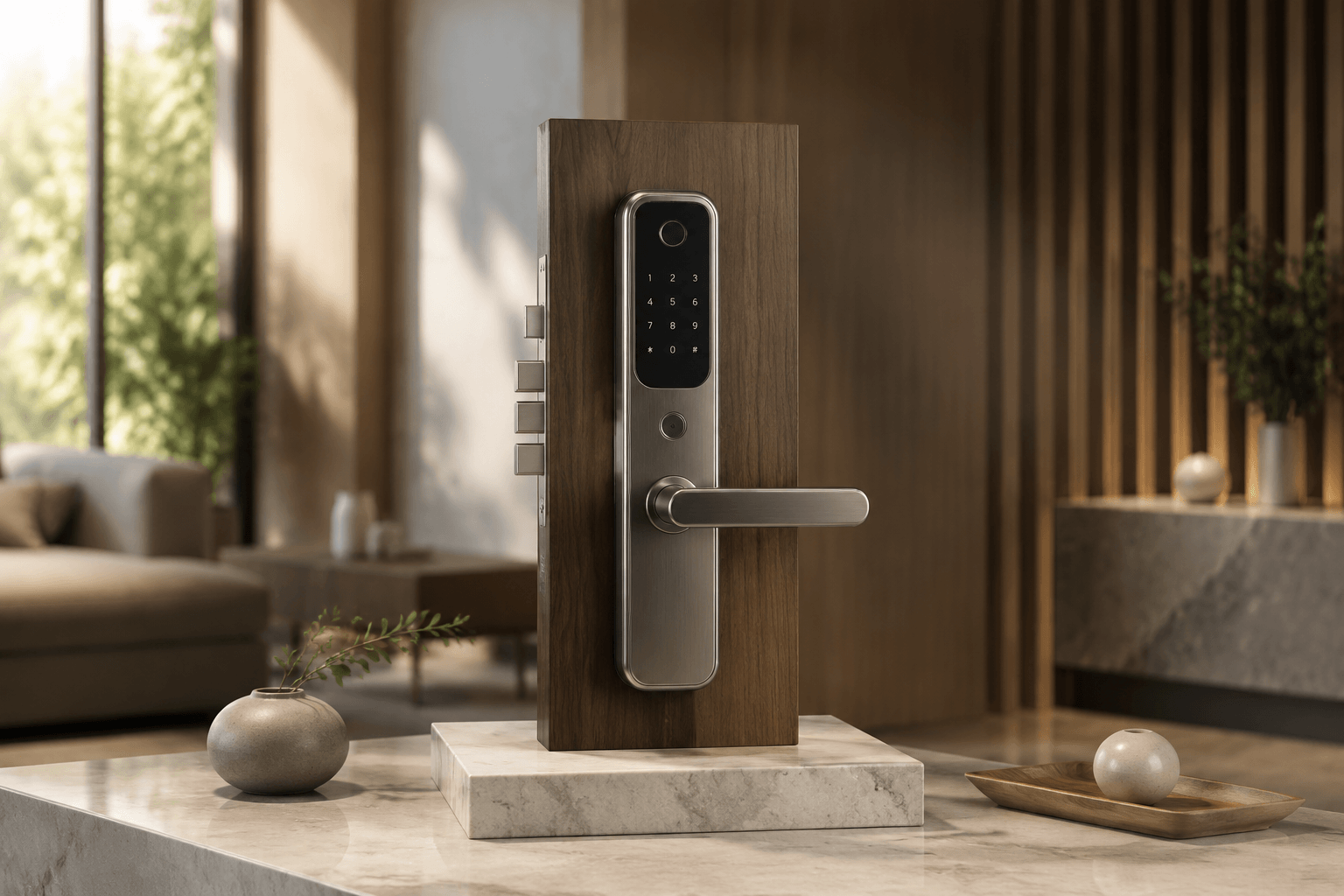
Unlock methods are another critical factor. Keyplus offers a range of options, including fingerprint recognition, RFID card access, mechanical key backups, and temporary passcodes. These features cater to diverse use cases, from single-unit residential projects to large-scale hospitality installations.
As Mark Jensen, a security consultant, explains: “B2B buyers increasingly demand smart locks with gateway connectivity and audit trail capabilities. These features enable real-time monitoring and improve security oversight.” Additionally, certifications such as ANSI/BHMA Grade 1, required for 68% of commercial access control projects (BHMA, 2023), ensure compliance with industry standards.
Compliance, Standards, and Product Qualification Requirements
Compliance is a non-negotiable factor for importers and project buyers. Certifications like CE, FCC, and RoHS are essential for ensuring product safety and market eligibility. For example, CE certification signifies conformity to European health, safety, and environmental standards, while ANSI/BHMA grading confirms mechanical durability and performance.
Battery reliability is another technical consideration. Smart locks must maintain consistent performance even in high-usage environments. Keyplus addresses this with low-battery alerts, emergency power options, and robust testing protocols. Additionally, compatibility with various door types—whether mortise, deadbolt, or latch—ensures versatile application across projects.
How to Choose the Right Smart Lock for Residential, Rental, or Hospitality Projects
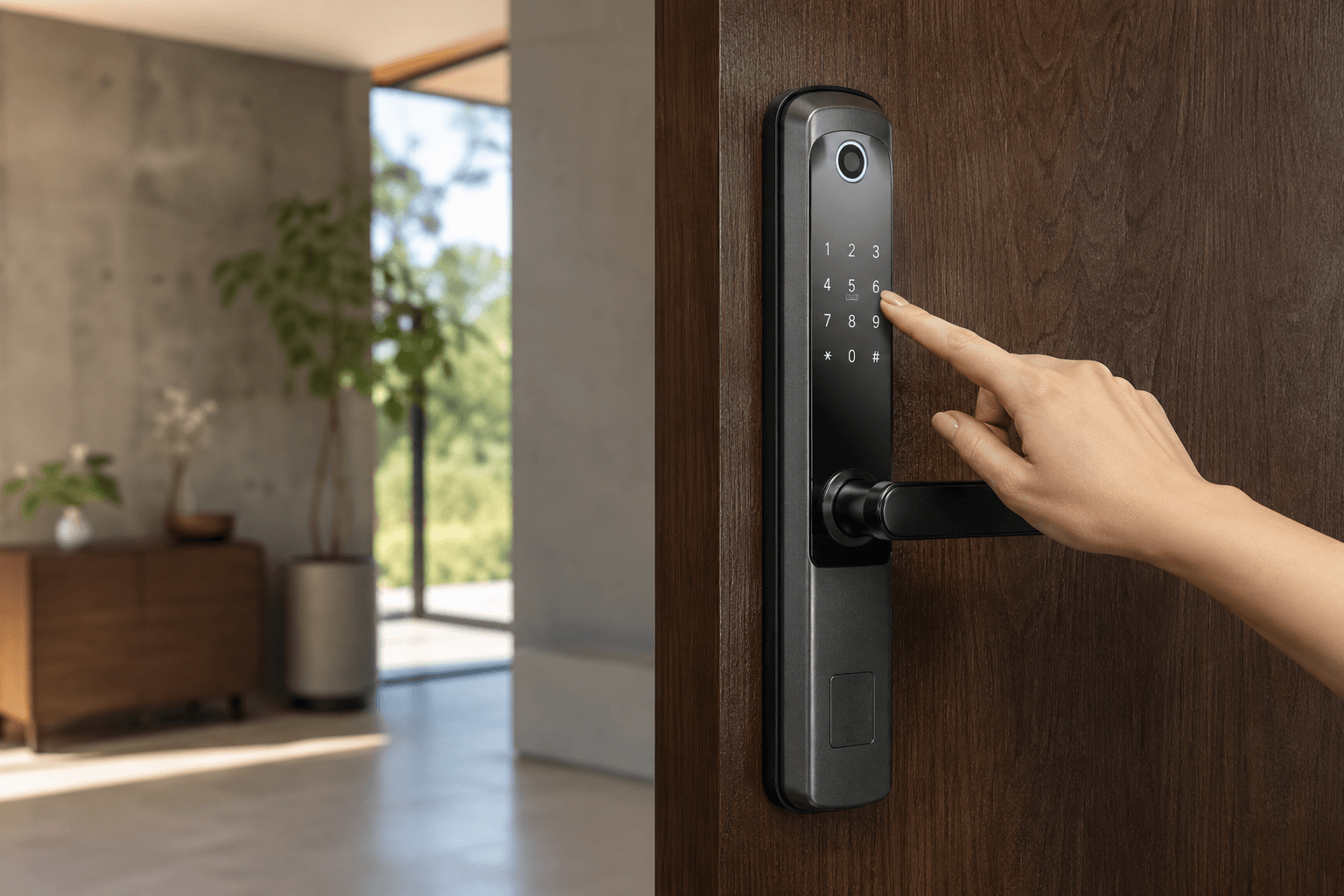
B2B buyers must tailor smart lock choices to specific project needs. For residential properties, ease of installation and app control are key priorities. Meanwhile, rental properties benefit from features like temporary PIN codes and remote access, which simplify tenant turnover and improve management efficiency.
In hospitality settings, scalability and integration with property management systems (PMS) are crucial. Keyplus smart locks support advanced integrations, enabling centralized control across multiple rooms or units. Furthermore, their OEM/ODM capabilities allow customization to meet branding and functional requirements.
Practical metrics such as reduced return rates and improved installation efficiency also play a role in supplier selection. Buyers should evaluate lead times, minimum order quantities (MOQs), and after-sales support to ensure smooth project execution.
Future Outlook for Smart Lock Manufacturing and Strategic Sourcing
The future of smart locks lies in enhanced biometric technologies, such as 3D face recognition and palm vein authentication. These advancements, combined with cloud-based access management, will drive adoption in both residential and commercial markets. Additionally, the integration of smart locks with platforms like Google Home and Tuya will continue to simplify user experiences.
For distributors and project buyers, partnering with manufacturers like Keyplus offers strategic advantages. Their expertise in R&D, OEM/ODM customization, and compliance support reduces project risks and accelerates time to market. By focusing on long-term partnerships, buyers can secure reliable supply chains and consistent product quality.
Frequently Asked Questions
Do smart locks track who enters and exits?
Yes, most smart locks, including those from Keyplus, provide audit trail functionality. This feature logs entry and exit events, allowing property managers to monitor access in real-time. For example, TTLock integration enables detailed access reports via a mobile app, which is particularly useful for rental and hospitality applications.
Do Google door locks require a subscription?
No, Google door locks, such as the Nest x Yale model, do not require a subscription for basic functionality. However, advanced features like video monitoring or cloud storage may involve additional fees. For buyers integrating with Google Home, Keyplus offers compatible solutions without mandatory recurring costs.
Is the Nest Yale door lock being discontinued?
No, the Nest Yale door lock is not being discontinued. Instead, Google has introduced updates to improve compatibility with Matter, a new smart home standard. Keyplus also offers Matter-compatible solutions, ensuring seamless integration with the latest ecosystems.
What happens if a smart lock’s battery dies?
If a smart lock’s battery dies, backup options like mechanical keys or emergency power ports ensure continued access. Keyplus smart locks include low-battery alerts and fail-safe mechanisms to prevent lockouts. Regular maintenance and battery checks are recommended for optimal performance.
What locks are compatible with Google Home?
Locks compatible with Google Home include models from Keyplus, Nest x Yale, and other leading brands. These locks support voice commands and remote control via the Google Home app. For B2B buyers, ensuring compatibility with existing smart home platforms is a critical sourcing consideration.
Is Kwikset smart lock compatible with Google Home?
Yes, Kwikset smart locks are compatible with Google Home. However, buyers should compare features such as app integration, unlock methods, and certifications. Keyplus offers Google Home-compatible locks with additional benefits like OEM customization and robust compliance support.

