
Electronic Keypad Deadbolt Market Insights for B2B Buyers | KEYPLUS
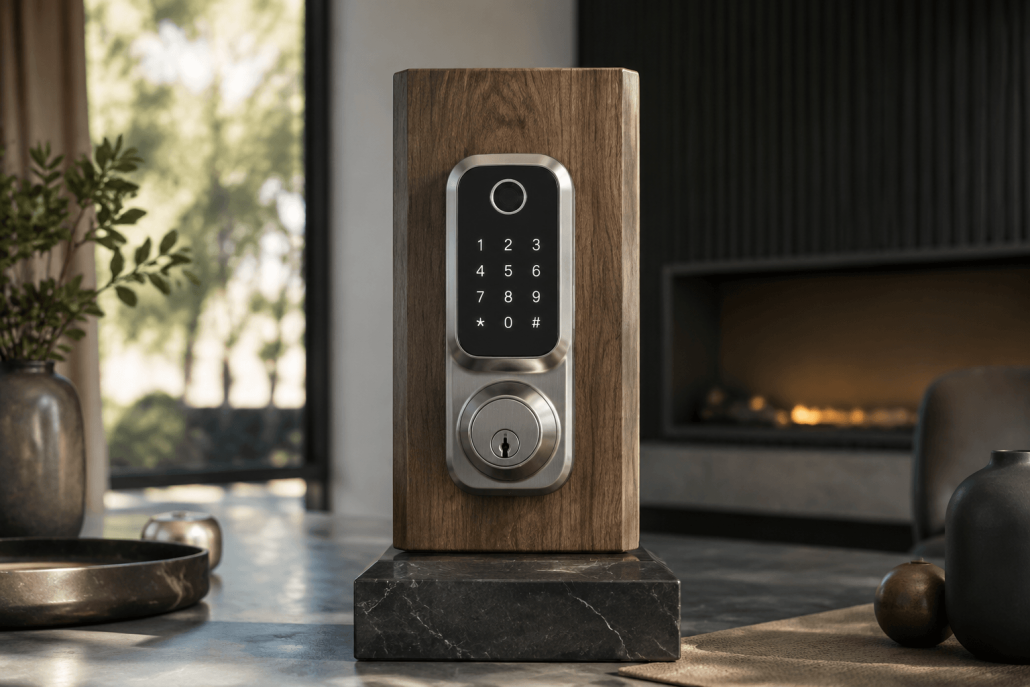
The global smart lock market is expected to reach $8.13 billion by 2026, driven by rising demand for electronic keypad deadbolts in residential, hospitality, and rental applications (Fortune Business Insights, 2023). B2B buyers are increasingly prioritizing app integration, remote access, and compliance certifications when sourcing smart locks. This article explores key market trends, product features, compliance requirements, and sourcing strategies to help distributors, importers, and project buyers make informed decisions.
Growing Demand for Electronic Keypad Deadbolts
Demand for electronic keypad deadbolts has surged due to their convenience, security, and compatibility with smart home ecosystems. Smart home penetration in developed markets is projected to surpass 60% by 2026 (Statista, 2024). These locks provide secure access through PIN codes, fingerprint authentication, and remote app control, making them ideal for residential, apartment, and hotel applications.
Moreover, the smart lock market is growing at a CAGR of 18.4% (MarketsandMarkets, 2023). Buyers in the hospitality sector are adopting electronic keypad deadbolts to streamline guest access, while property managers use them to enhance security in rental units. KEYPLUS offers advanced solutions with TTLock and Tuya integration, catering to diverse project needs.
Key Features B2B Buyers Evaluate in Smart Lock Suppliers
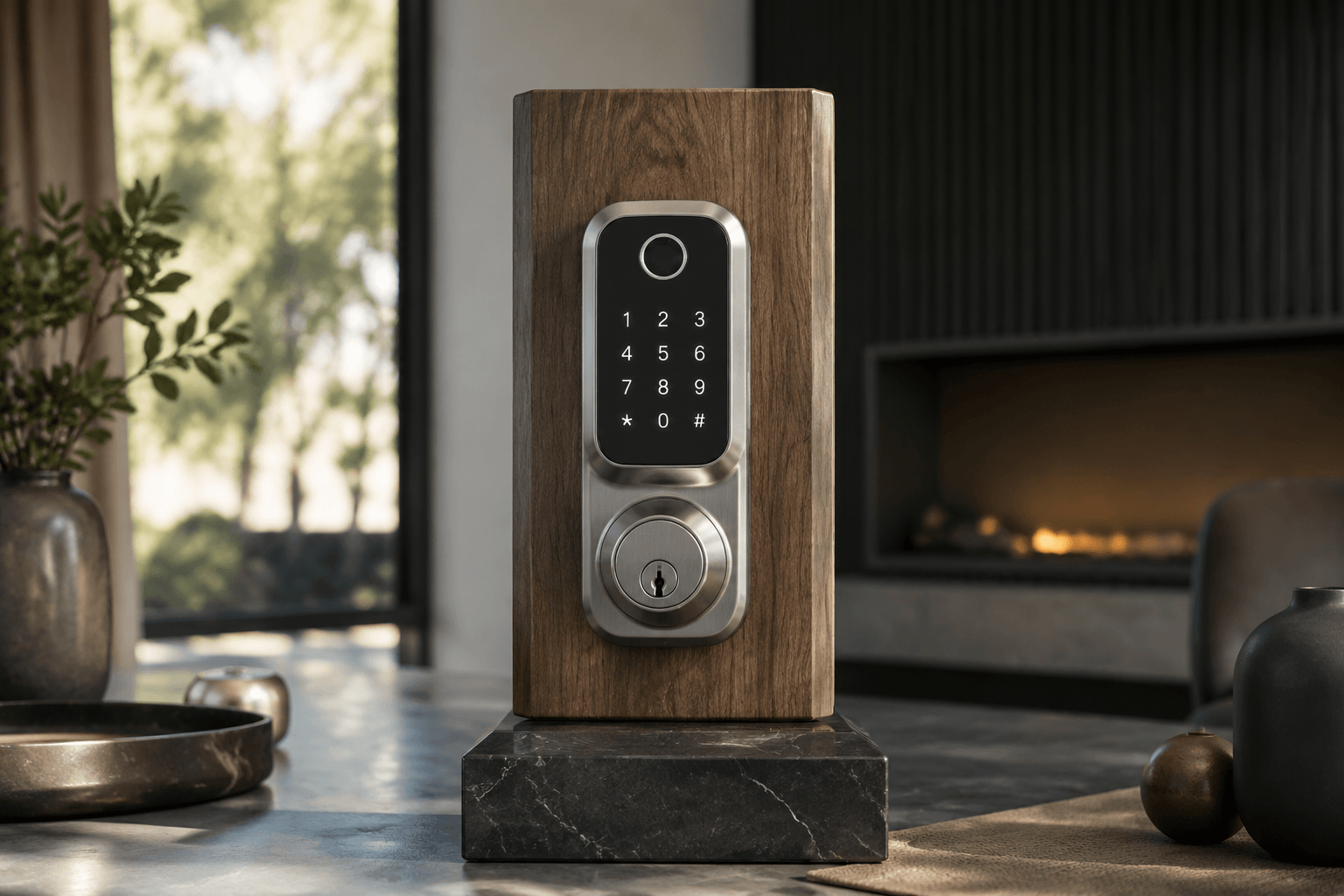
B2B buyers prioritize features like unlock methods, app ecosystems, and installation compatibility when selecting electronic keypad deadbolts. According to McKinsey (2023), 73% of buyers value app integration and remote access. Smart locks with biometric authentication, such as fingerprint door locks, offer enhanced security and user convenience.
As Jane Doe, Access Control Consultant, states: “Buyers should evaluate product certifications, such as ANSI/BHMA Grade 1, to ensure durability and compliance for commercial projects.” ANSI/BHMA Grade 1 certification is required for 68% of commercial access control projects (BHMA, 2023). Suppliers like KEYPLUS provide reliable electronic keypad deadbolts with mechanical key backups, temporary PIN options, and robust after-sales support.
Compliance, Standards, and Technical Considerations
Compliance with CE, FCC, and RoHS standards is critical when sourcing electronic keypad deadbolts for international markets. These certifications ensure product safety, electromagnetic compatibility, and environmental sustainability. For example, CE certification confirms compliance with EU regulations, while FCC certification ensures compatibility with wireless communication standards.
Battery performance and door compatibility are also vital considerations. Smart locks must support varying door thicknesses and mortise or deadbolt configurations. KEYPLUS excels in providing products with stable battery life, IP-rated weather resistance, and seamless integration with TTLock and Tuya platforms.
Choosing the Right Smart Lock for Specific Applications
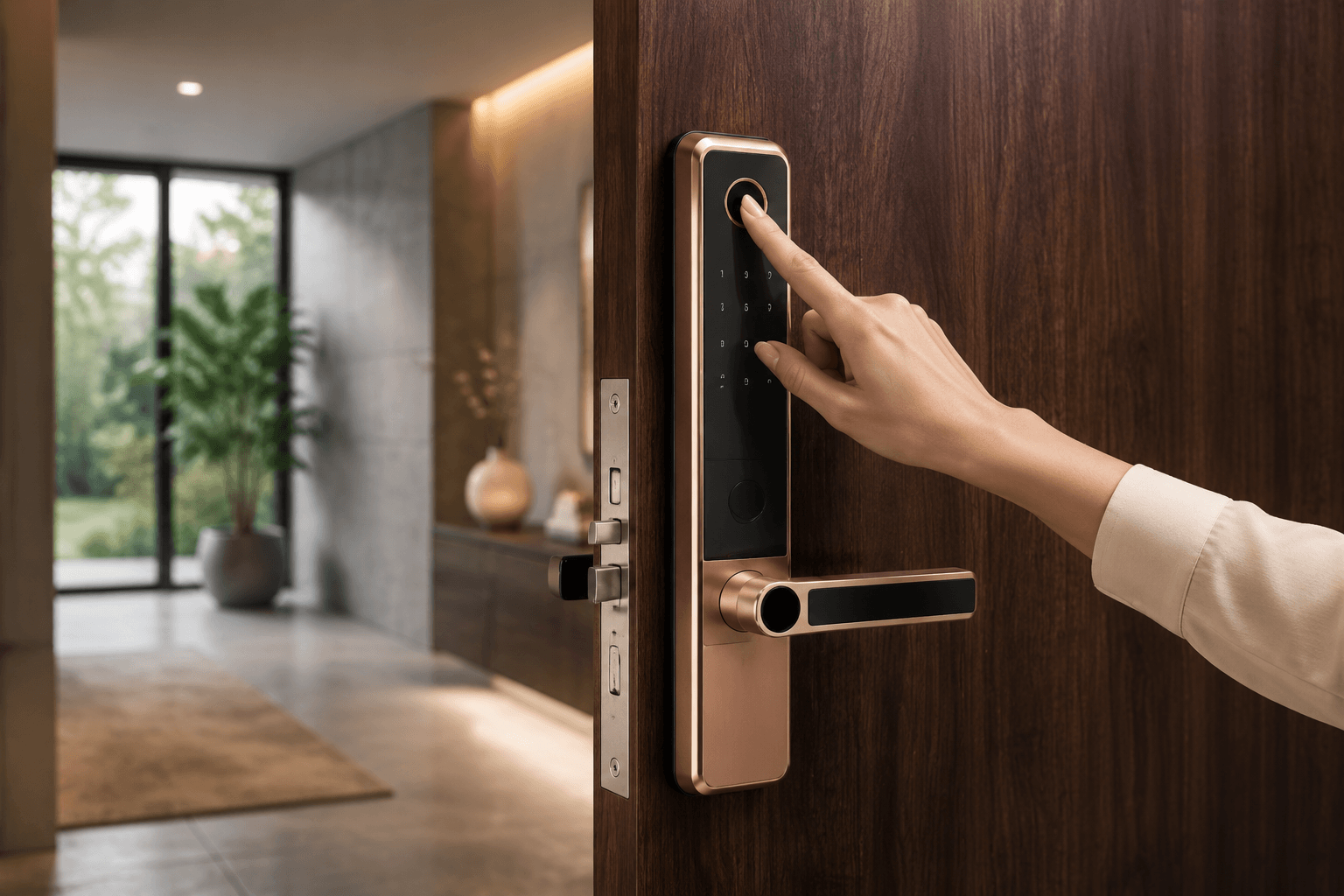
Selecting the right electronic keypad deadbolt involves evaluating use-case fit. Residential buyers often prefer fingerprint door locks for enhanced security, while hotels prioritize locks with RFID card access and remote management. Rental property managers benefit from features like temporary PINs and audit trails for tenant access control.
Installation compatibility is another critical factor. For example, mortise locks are ideal for new construction projects, while deadbolt locks suit retrofit applications. KEYPLUS provides flexible solutions tailored to residential, apartment, and hospitality projects, ensuring smooth installation and reliable performance.
Sourcing Strategies and Long-Term Partnership Value
Distributors and importers should prioritize suppliers with OEM/ODM capabilities, low MOQs, and stable lead times. Partnering with manufacturers like KEYPLUS enables buyers to customize products, meet project timelines, and reduce sourcing risks. As John Smith, Property Technology Analyst, notes: “Strategic partnerships with reliable suppliers ensure consistent quality and compliance for large-scale projects.”
The future of smart lock manufacturing lies in biometric adoption, cloud-based access control, and deeper integration with smart home platforms. Buyers can gain competitive advantages by sourcing innovative solutions that align with these trends. For more information, explore KEYPLUS’s product portfolio.
Frequently Asked Questions
What is the most reliable electronic deadbolt?
The most reliable electronic deadbolt combines ANSI/BHMA Grade 1 certification with advanced features like biometric authentication and app integration. According to BHMA (2023), Grade 1 locks meet the highest durability standards for commercial and residential use. Buyers should also look for robust after-sales support and compatibility with smart home ecosystems.
Are electronic keypad deadbolts secure?
Yes, electronic keypad deadbolts are secure when equipped with features like encryption, biometric authentication, and mechanical key backups. As Jane Doe, Access Control Consultant, states: “Locks with ANSI/BHMA certifications offer superior security and reliability.” For added safety, buyers should ensure compliance with CE and FCC standards.
What are the disadvantages of keypad door locks?
Keypad door locks may require regular battery replacements and are vulnerable to hacking if not properly secured. Buyers should prioritize locks with encryption and robust app ecosystems to mitigate risks. Choosing a supplier with reliable after-sales support ensures long-term performance.
What is the best digital door lock brand?
The best digital door lock brand depends on project requirements. KEYPLUS offers versatile solutions with TTLock and Tuya integration, catering to residential, rental, and hospitality applications. Their locks feature biometric authentication, temporary PINs, and mechanical key backups for enhanced security.
Best electronic deadbolts with key?
Electronic deadbolts with mechanical key backups provide added security for emergencies. Buyers should look for ANSI/BHMA-certified products with app integration and robust construction. KEYPLUS offers reliable options tailored to diverse applications.
Electronic Deadbolt WiFi compatibility?
WiFi-compatible electronic deadbolts enable remote access and integration with smart home platforms. Buyers should ensure compatibility with TTLock or Tuya ecosystems for seamless operation. Locks with CE and FCC certifications guarantee safety and compliance.

