
Google Home Smart Lock: Trends and Buyer Insights
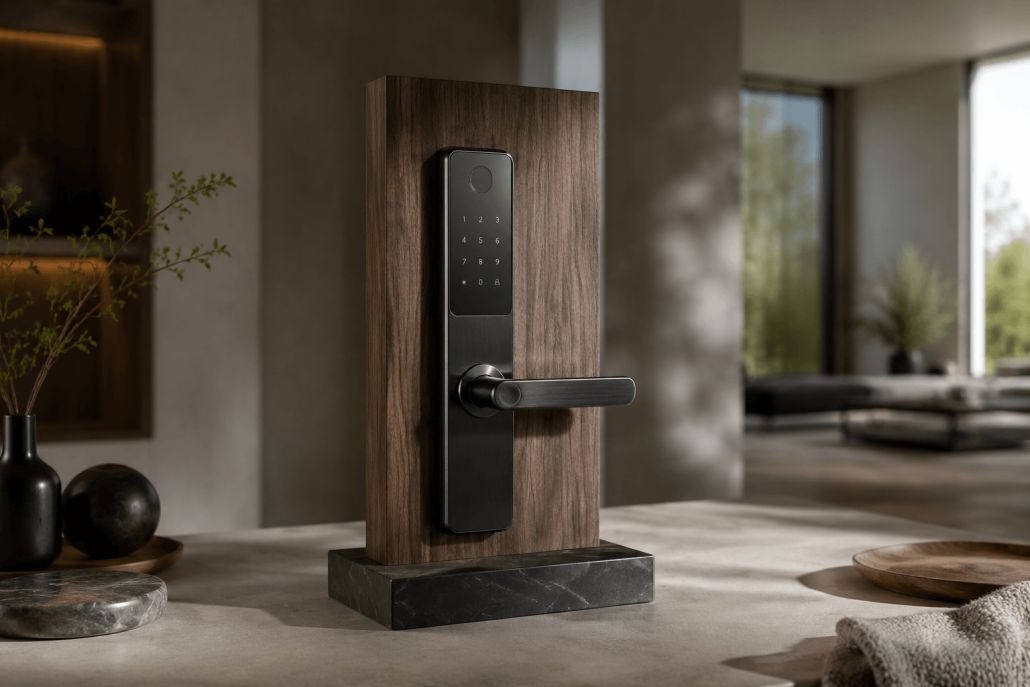
The global smart lock market is booming, projected to reach $8.13 billion by 2026 (Fortune Business Insights, 2023). This growth reflects the increasing demand for secure, connected, and convenient access control solutions. Products like the Google Home smart lock are transforming residential, rental, and commercial security by integrating cutting-edge technology with seamless user experiences. In this article, we’ll explore market trends, essential product features, compliance considerations, and practical sourcing strategies for B2B buyers.
About Google Home Smart Lock: Smart Lock Market Trends and Application Growth
For B2B buyers, selecting the right google home smart lock supplier is critical. KEYPLUS offers certified smart lock solutions with TTLock/Tuya integration, OEM/ODM flexibility, and competitive MOQ. Learn more below.
Smart home penetration is expected to surpass 60% in developed markets by 2026 (Statista, 2024). This surge drives demand for smart locks in residential, rental, and hospitality sectors. Property managers and homeowners increasingly prioritize access control solutions that combine security with convenience. For example, features like app-based remote access and biometric authentication are now standard expectations.
The hospitality industry is another growth area. Hotel locks utilizing platforms like TTLock and Tuya enable centralized management of guest access. These systems streamline operations while enhancing the guest experience. As demand grows, manufacturers like KEYPLUS provide OEM/ODM services tailored to diverse project needs.
Key Features B2B Buyers Evaluate in a Smart Lock Supplier
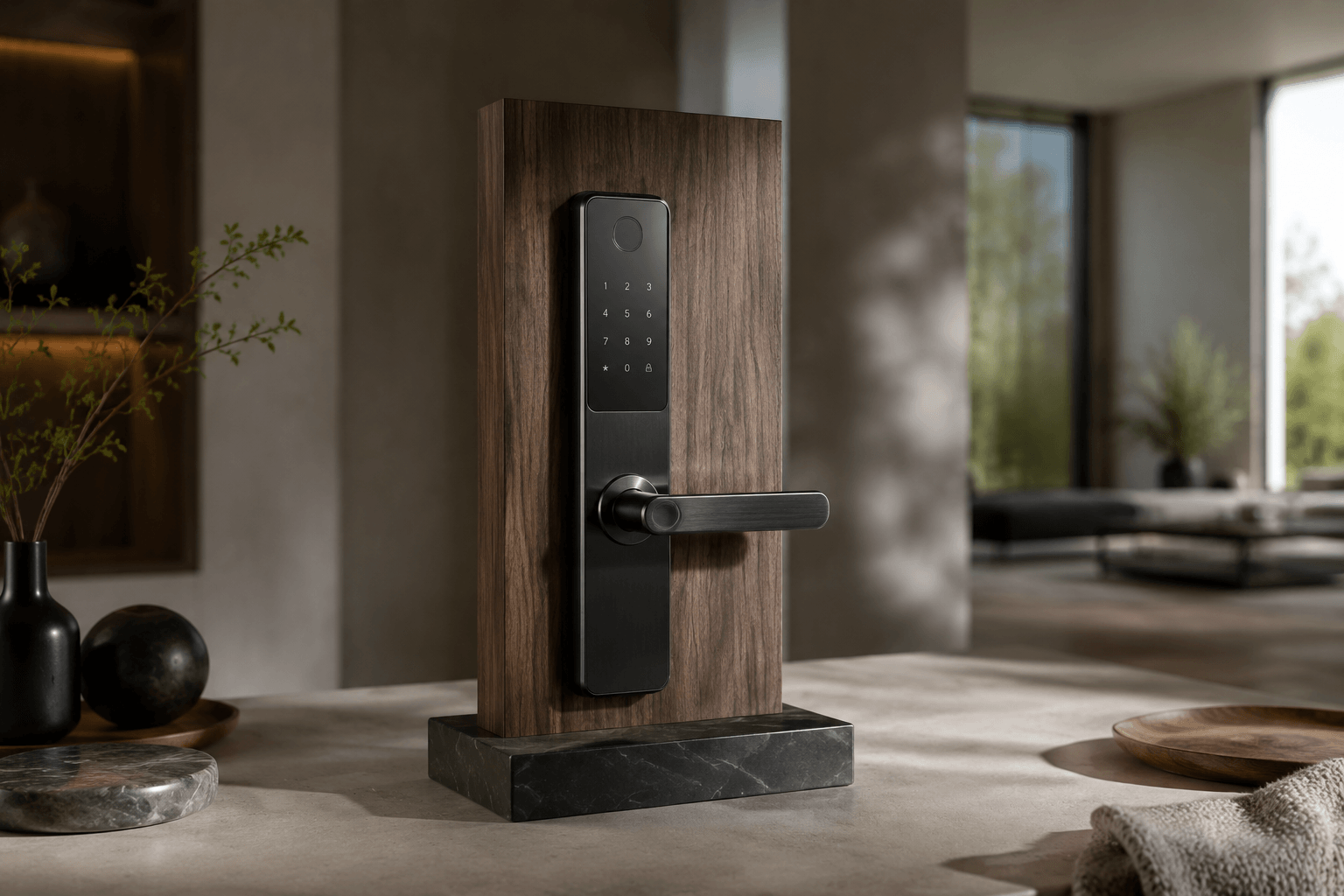
When sourcing smart locks, B2B buyers evaluate several critical features. According to McKinsey (2023), 73% of buyers prioritize app integration and remote access. Compatibility with platforms like Google Home, Tuya, and TTLock is essential for seamless smart home integration. Unlock methods such as fingerprint authentication, RFID card access, and temporary PINs add versatility for different use cases.
Installation compatibility is another key consideration. Buyers must ensure locks fit various door types, including mortise and deadbolt configurations. Additionally, certifications like ANSI/BHMA Grade 1 are required for 68% of commercial access control projects (BHMA, 2023). These certifications guarantee durability and performance under rigorous conditions.
As Sarah Mitchell, a Security Consultant, states: “B2B buyers should prioritize suppliers that offer robust after-sales support and consistent product quality. This ensures long-term reliability for projects.” Manufacturers like KEYPLUS address these needs with comprehensive project support and quality assurance processes.
Compliance, Standards, and Product Qualification Requirements
Compliance with international standards is non-negotiable for importers and distributors. Certifications such as CE, FCC, and RoHS ensure products meet safety and environmental regulations. For example, CE certification indicates compliance with EU standards, while FCC certification is critical for devices with wireless components.
Battery safety is another important factor, particularly for locks with high power demands. Products must also be compatible with various smart home ecosystems, including Google Home and Nest. These integrations enhance user experience and broaden market appeal.
KEYPLUS emphasizes rigorous testing to meet these standards. Their smart locks undergo durability testing, environmental simulations, and wireless performance evaluations to ensure compliance and reliability.
Choosing the Right Smart Lock for Residential, Rental, or Hospitality Projects
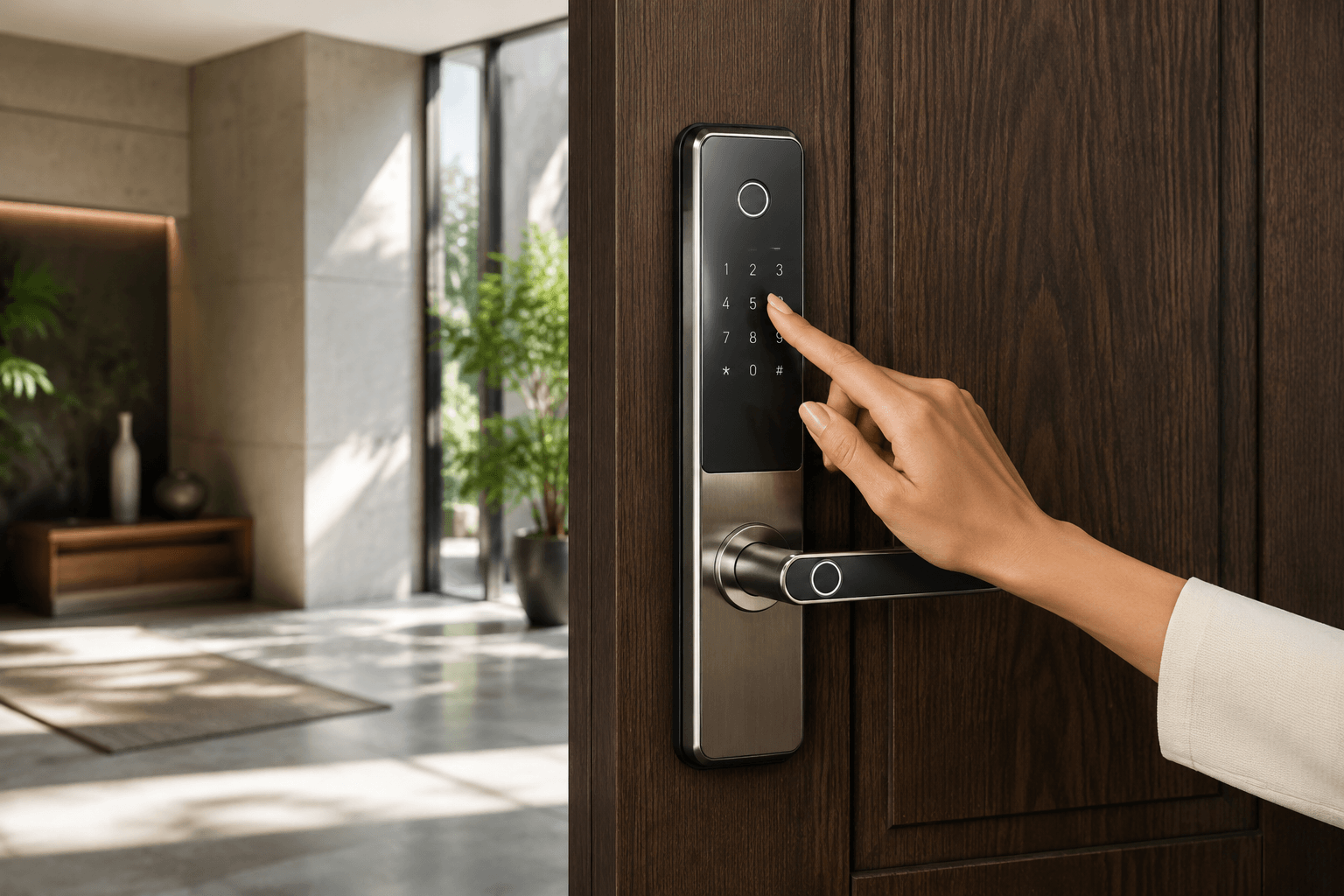
Selecting the right smart lock depends on the application. For residential use, features like fingerprint authentication and app control provide convenience and security. In rental properties, remote access and temporary PINs simplify tenant management. Hotel projects benefit from centralized systems like Tuya or TTLock, which streamline guest check-ins and access control.
Door compatibility is another critical factor. Buyers should verify whether locks support mortise, deadbolt, or latch configurations. Additionally, software ecosystems must align with project requirements. For example, Google Home integration is ideal for properties leveraging smart home automation.
Practical considerations like installation efficiency and return rates also play a role. KEYPLUS supports buyers with detailed installation guides, reducing errors and ensuring project success. Their OEM/ODM flexibility allows customization to meet specific project needs.
Future Outlook for Smart Lock Manufacturing and Strategic Sourcing
The future of smart locks lies in advanced technologies such as biometric authentication, 3D face recognition, and cloud-based access management. As the market grows at a CAGR of 18.4% (MarketsandMarkets, 2023), manufacturers must innovate to stay competitive. Integration with platforms like Google Home and Nest will remain a key driver of adoption.
For importers and distributors, partnering with experienced manufacturers like KEYPLUS offers strategic advantages. Their ability to provide certified, customizable solutions reduces project risks and accelerates go-to-market timelines. By focusing on quality, compliance, and support, buyers can capitalize on the growing demand for smart locks.
Frequently Asked Questions
What are common problems with Yale electronic locks?
Common issues include connectivity drops and battery performance. According to BHMA (2023), ensuring proper installation and using certified batteries can mitigate these problems. For buyers, selecting a supplier with strong after-sales support is crucial.
What is the Yale Smart Safe?
The Yale Smart Safe is a secure storage solution with app-based access. It offers features like remote monitoring and audit trails. This makes it ideal for both residential and commercial applications.
What are the risks of smart locks?
Potential risks include hacking and power failures. However, compliance with FCC standards and robust encryption can mitigate these risks. Buyers should prioritize certified products from reputable manufacturers.
Can smart safes track who accesses them?
Yes, many smart safes offer audit trail functionality. This feature logs access events, enhancing security and accountability. It’s especially useful in commercial environments.
How do I add a Smart Lock to Google Home?
To add a smart lock, open the Google Home app and select “Add Device.” Follow the manufacturer’s instructions for pairing. Ensure the lock supports Google Home integration for a seamless experience.
What Smart Lock works with Nest?
The Nest x Yale Lock is specifically designed for Google Nest integration. It provides features like remote access and app control, making it a popular choice for smart home users.

