
Z-Wave Lock Market Insights for Smart Buyers | KEYPLUS
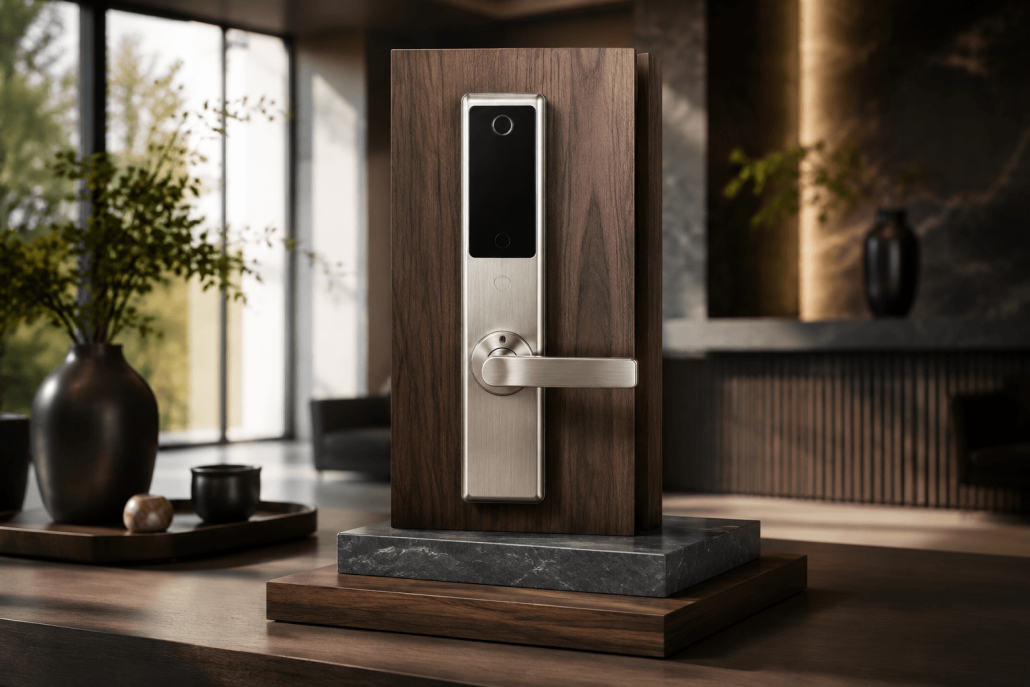
When considering Z Wave Lock, the global smart lock market is projected to reach $8.13 billion by 2026, driven by increasing demand for secure and connected access control solutions (Fortune Business Insights, 2023). As smart home penetration in developed markets surpasses 60% (Statista, 2024), Z-Wave locks have emerged as a reliable choice for residential, rental, and hospitality applications. Their compatibility with leading smart home ecosystems and robust security features make them a top priority for B2B buyers.smart lock market is projected to reach $8.13 billion by 2026, driven by increasing demand for secure and connected access control solutions (Fortune Business Insights, 2023). As smart home penetration in developed markets surpasses 60% (Statista, 2024), Z-Wave locks have emerged as a reliable choice for residential, rental, and hospitality applications. Their compatibility with leading smart home ecosystems and robust security features make them a top priority for B2B buyers.
About Z Wave Lock: Smart Lock Market Trends and Z-Wave Adoption
For B2B buyers, selecting the right z wave lock supplier is critical. KEYPLUS offers certified smart lock solutions with TTLock/Tuya integration, OEM/ODM flexibility, and competitive MOQ. Learn more below.
Demand for Z-Wave locks is growing due to their seamless integration with smart home platforms and remote access capabilities. The smart lock market, expanding at a CAGR of 18.4%, reflects the increasing need for advanced access control solutions across various industries (MarketsandMarkets, 2023). For example, 73% of B2B buyers prioritize app integration and remote access when sourcing smart locks (McKinsey, 2023).
Z-Wave technology offers reliable communication between devices, ensuring low power consumption and extended battery life. This makes it particularly appealing for apartment projects and rental properties, where efficiency and scalability are critical. As KEYPLUS specializes in OEM and ODM solutions, their Z-Wave locks provide tailored features such as temporary PINs, TTLock integration, and mechanical key backups for flexible access control.
What B2B Buyers Evaluate in Z-Wave Lock Suppliers
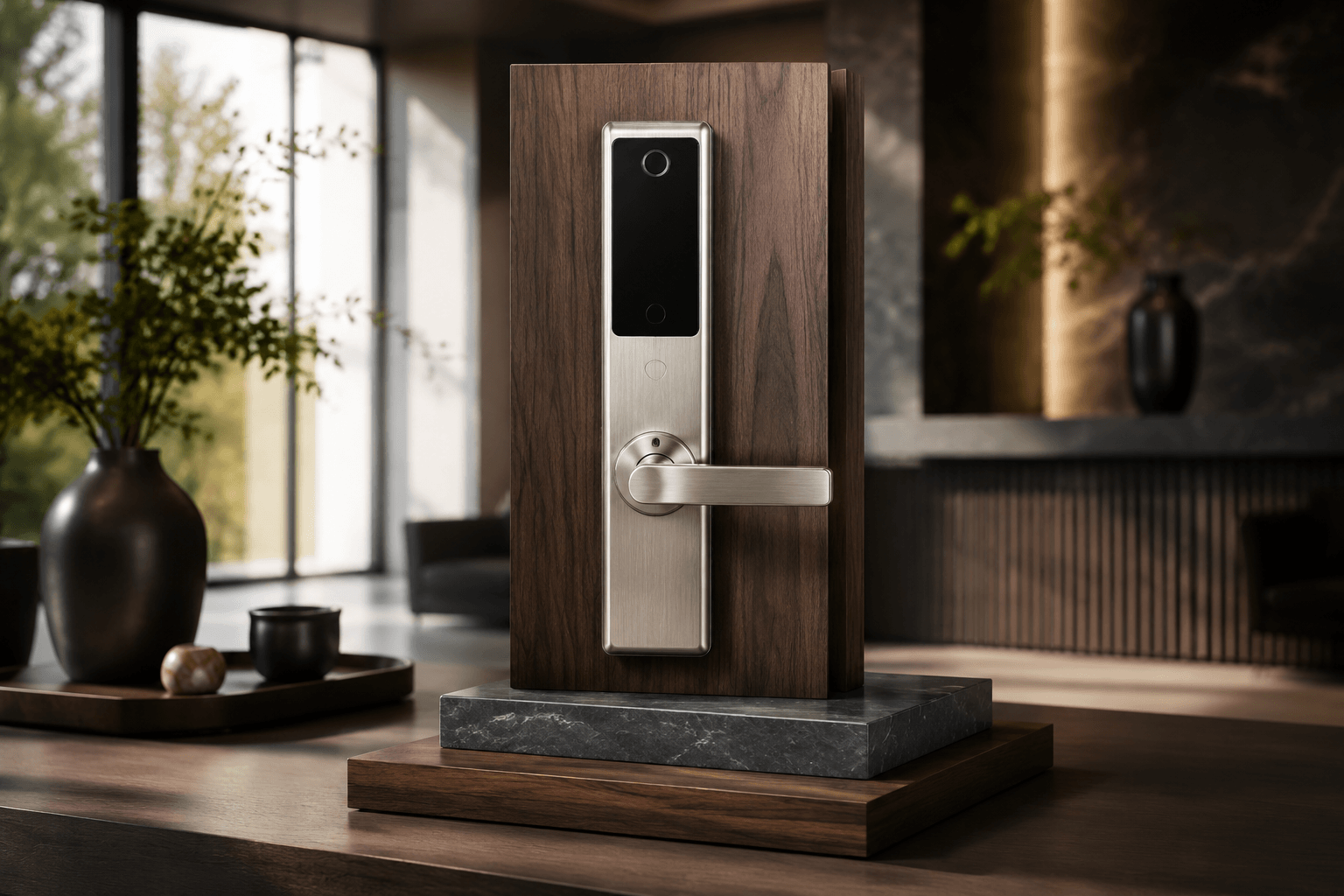
When choosing a Z-Wave lock supplier, buyers focus on unlock methods, app ecosystem compatibility, certifications, and installation support. Unlock options like fingerprint authentication, RFID cards, and smartphone apps provide convenience and security. For example, biometric locks such as fingerprint door locks are increasingly popular due to their precision and user-friendly design.
As John Smith, Security Analyst, states: “Buyers often prioritize locks with ANSI/BHMA Grade 1 certification, especially for commercial projects where reliability is critical.” According to BHMA (2023), 68% of commercial access control projects require Grade 1 certification. KEYPLUS addresses these needs by offering certified Z-Wave locks that meet stringent quality standards while supporting Tuya and TTLock integrations for enhanced functionality.
Compliance and Technical Standards for Z-Wave Locks
Certifications like CE, FCC, and RoHS are essential for Z-Wave lock imports. These standards ensure product safety, electromagnetic compatibility, and environmental compliance. Additionally, locks must support various door types, including mortise and deadbolt configurations, to fit diverse installation scenarios.
Battery performance is another critical factor. Z-Wave technology’s low power consumption helps extend battery life, reducing maintenance costs for property managers. Furthermore, app ecosystems like TTLock and Tuya allow remote access and detailed audit trails, which are vital for rental properties and hotels. KEYPLUS excels in providing locks with robust compatibility and long-term reliability, ensuring smooth project implementation.
Choosing the Right Z-Wave Lock for Your Project
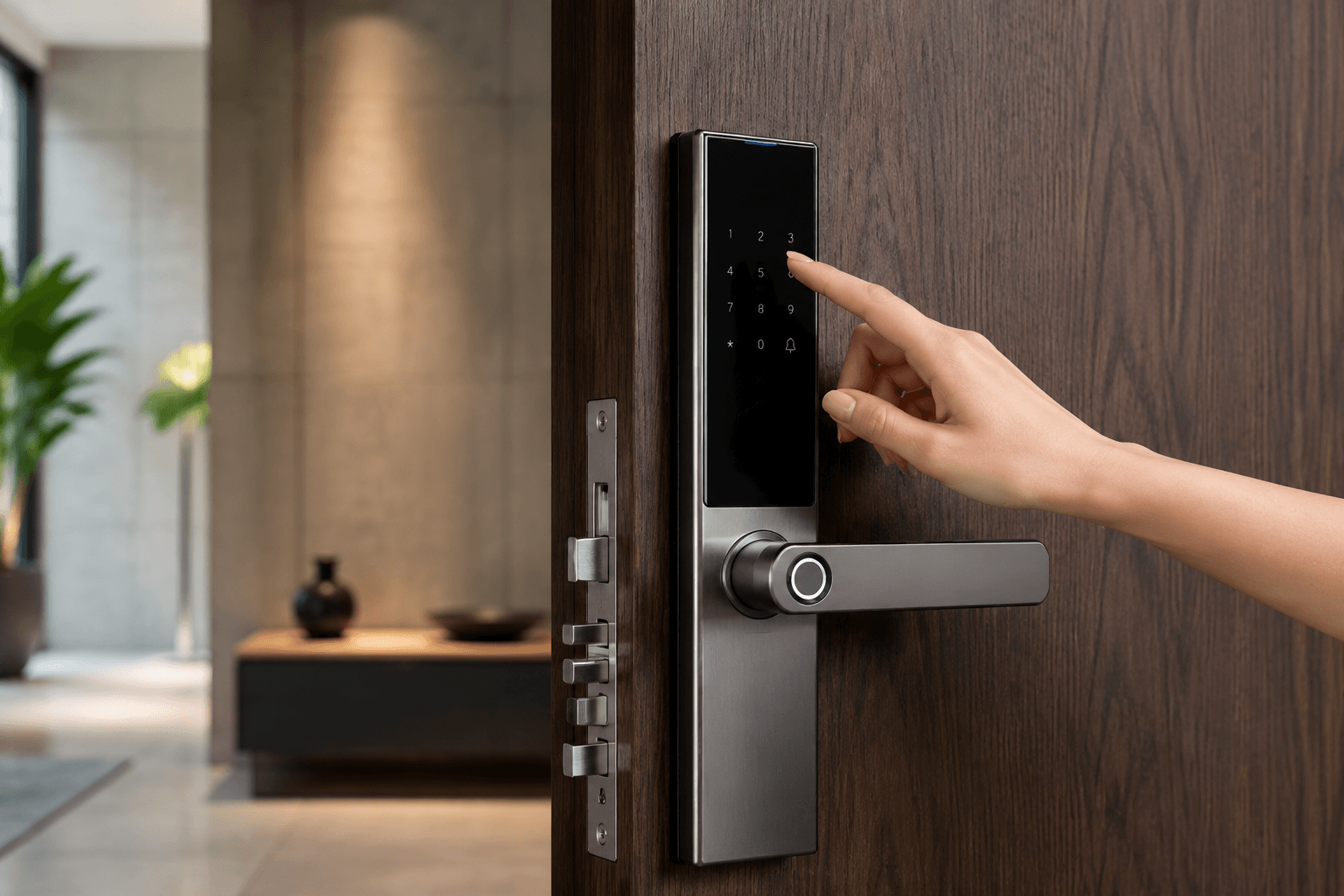
Selecting the right lock depends on the application. For residential use, buyers often prefer locks with biometric or fingerprint authentication for enhanced security. Meanwhile, rental property managers prioritize locks with temporary PINs and remote access for tenant convenience. Hospitality projects, such as hotels, require locks that integrate with room management systems and support RFID cards for seamless operations.
KEYPLUS offers flexible OEM/ODM solutions to meet these diverse needs. Their locks are designed for easy installation, compatibility with various door types, and integration with popular smart home platforms. By partnering with experienced manufacturers like KEYPLUS, buyers can reduce return rates and ensure consistent project delivery.
Future Outlook for Z-Wave Lock Manufacturing
The future of Z-Wave locks lies in enhanced biometric capabilities and deeper integration with cloud-based access management systems. As smart home adoption continues to grow, buyers will increasingly demand locks that support scenario-based solutions, such as vacation rental automation and multi-family apartment control.
For distributors and importers, strategic partnerships with manufacturers like KEYPLUS offer advantages such as low MOQs, stable lead times, and comprehensive project support. By sourcing Z-Wave locks with advanced features and certifications, businesses can stay ahead in the competitive smart lock market.
Frequently Asked Questions
What are the disadvantages of Z-Wave locks?
Z-Wave locks require a compatible hub for operation, which can increase setup costs. According to MarketsandMarkets (2023), cost concerns are a common barrier for first-time adopters. However, their low power consumption and reliability often outweigh initial expenses for long-term projects.
Can Z-Wave locks be hacked?
While Z-Wave uses AES-128 encryption to secure communication, no system is entirely immune to hacking. As John Smith, Security Analyst, states: “Regular firmware updates and secure app ecosystems are critical for minimizing security risks.” Buyers should evaluate suppliers with proven security protocols.
How do Z-Wave locks work?
Z-Wave locks communicate with a central hub using low-power RF signals. This allows remote control and integration with smart home systems. For example, TTLock and Tuya apps enable users to manage access remotely and create temporary PINs.
What are the downsides of smart locks?
Smart locks can face connectivity issues in areas with poor network coverage. Battery life is another concern, though Z-Wave’s low power consumption mitigates this. Buyers should prioritize locks with robust battery performance and reliable app ecosystems.
Everything you need to know about Z-Wave smart locks reviews
Z-Wave locks are praised for their reliability and compatibility. According to Statista (2024), smart home penetration is driving adoption in residential and rental markets. Buyers should look for locks with certifications and proven performance metrics.
Z-Wave door lock app
Apps like TTLock and Tuya provide seamless control of Z-Wave locks. These apps allow users to manage access, monitor usage, and integrate locks with broader smart home systems. KEYPLUS Z-Wave locks support these apps for enhanced functionality.

