
Fingerprint Locks: Market Trends and Buyer Insights for 2024
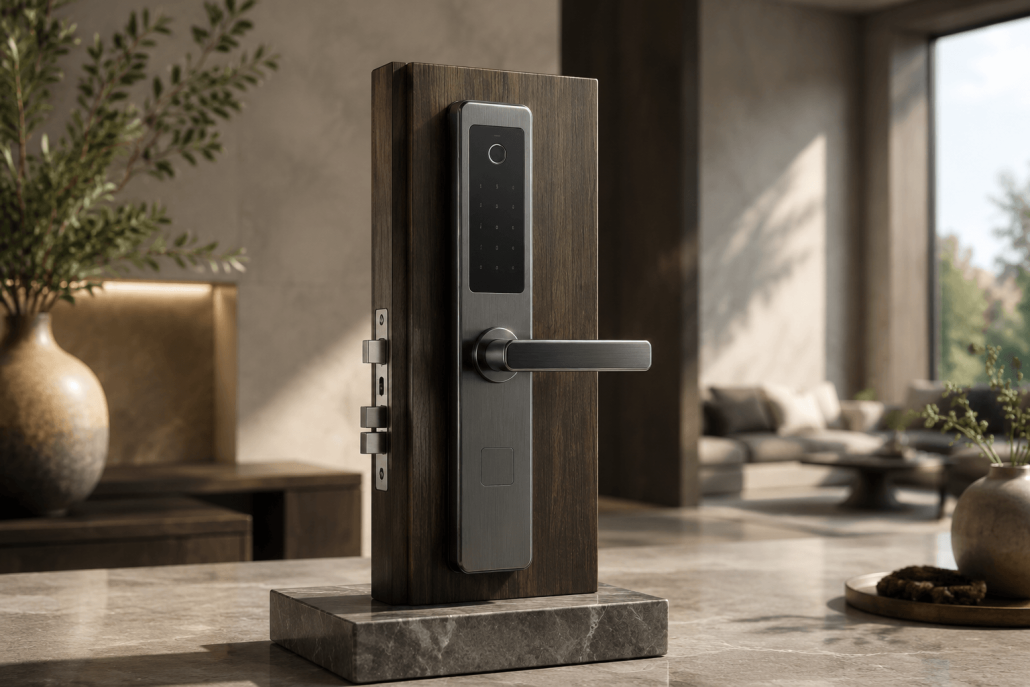
The global smart lock market is projected to reach $8.13 billion by 2026 (Fortune Business Insights, 2023). This rapid growth highlights the increasing demand for advanced access control solutions, particularly fingerprint locks. These locks combine convenience with security, making them a top choice for residential, rental, and hospitality projects. For B2B buyers, understanding market trends and sourcing criteria is essential to capitalize on this expanding industry.
About Fingerprint Locks: Smart Lock Market Growth and Application Trends
The smart lock market is growing at a CAGR of 18.4% (MarketsandMarkets, 2023), driven by the adoption of smart home technology and the need for modern access control in commercial and residential settings. In developed markets, smart home penetration is expected to surpass 60% by 2026 (Statista, 2024). This surge in adoption is fueled by the demand for seamless integration with smart ecosystems, including platforms like Tuya and TTLock.
Fingerprint locks are particularly popular in urban apartments, where space optimization and enhanced security are key priorities. Additionally, hotels and rental properties are increasingly adopting these locks for their ability to offer temporary PINs and remote access, streamlining property management. For example, KEYPLUS provides customizable solutions that cater to diverse applications, from residential doors to large-scale hospitality projects.
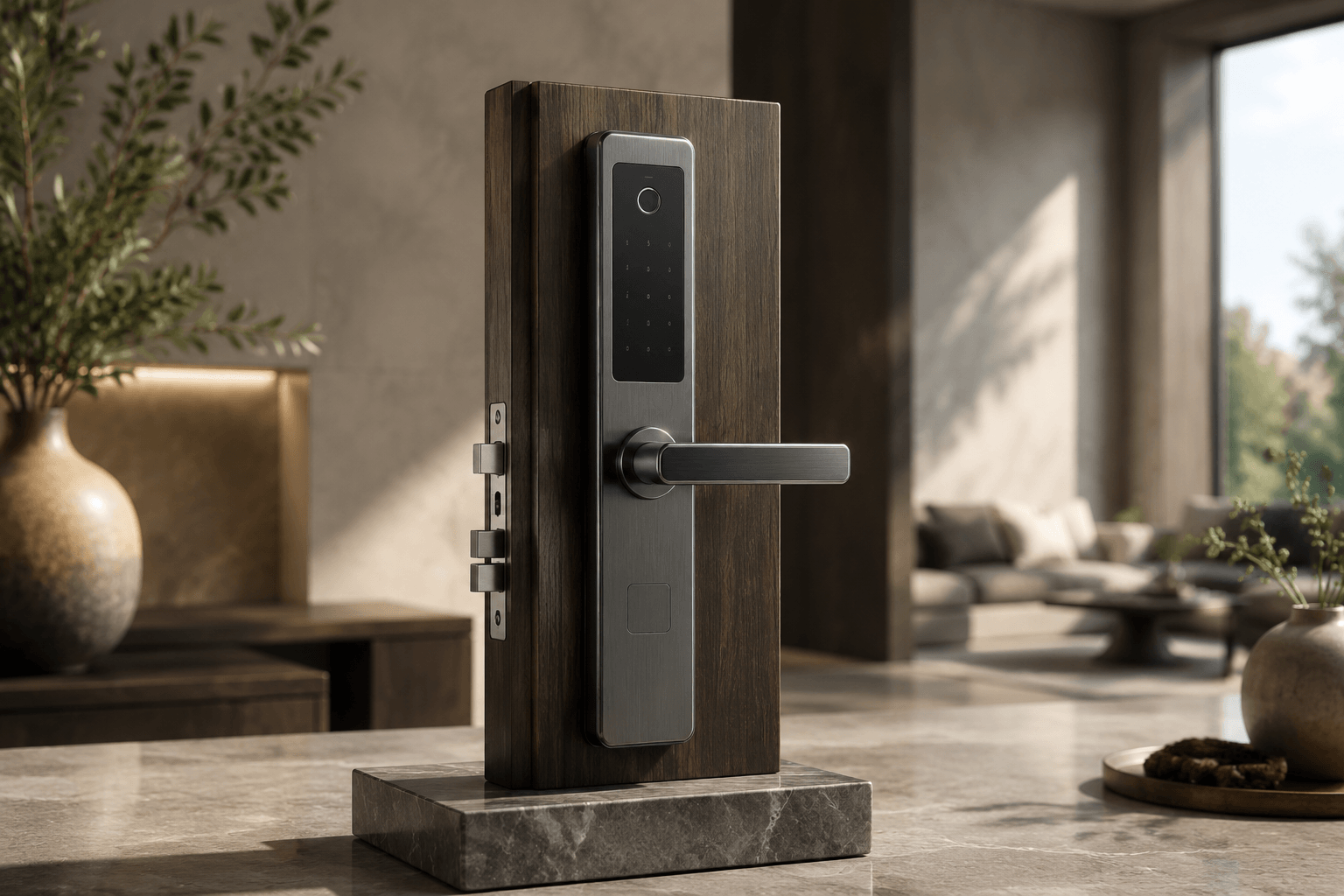
Key Features B2B Buyers Evaluate in Fingerprint Locks
When sourcing fingerprint locks, B2B buyers prioritize several features. According to McKinsey (2023), 73% of buyers emphasize app integration and remote access capabilities. These features enable property managers to monitor and control access in real time. Additionally, compatibility with platforms like Tuya ensures seamless integration into existing smart home ecosystems.
Unlock methods are another critical factor. Buyers often look for locks that support multiple options, such as fingerprint recognition, keypad entry, RFID cards, and mechanical key backups. This versatility ensures compatibility with various use cases, from residential properties to high-traffic commercial buildings.
As John Smith, a Security Analyst, states: “B2B buyers should prioritize fingerprint locks with ANSI/BHMA Grade 1 certification. This ensures the highest level of security and durability, which is vital for commercial applications.” In fact, 68% of commercial access control projects require this certification (BHMA, 2023).
Compliance, Standards, and Technical Considerations
Compliance with international standards is a critical factor in sourcing fingerprint locks. Certifications like CE, FCC, and RoHS ensure that products meet safety and environmental regulations, which is essential for importers and distributors. Additionally, locks with ANSI/BHMA certification offer proven durability and security, making them suitable for demanding applications.
Technical considerations, such as battery life and door compatibility, also play a significant role. Buyers should evaluate whether the lock is compatible with various door thicknesses and materials. Furthermore, locks with long-lasting batteries reduce maintenance costs and enhance user satisfaction. For example, KEYPLUS offers fingerprint locks with extended battery life and robust compatibility across different door types.
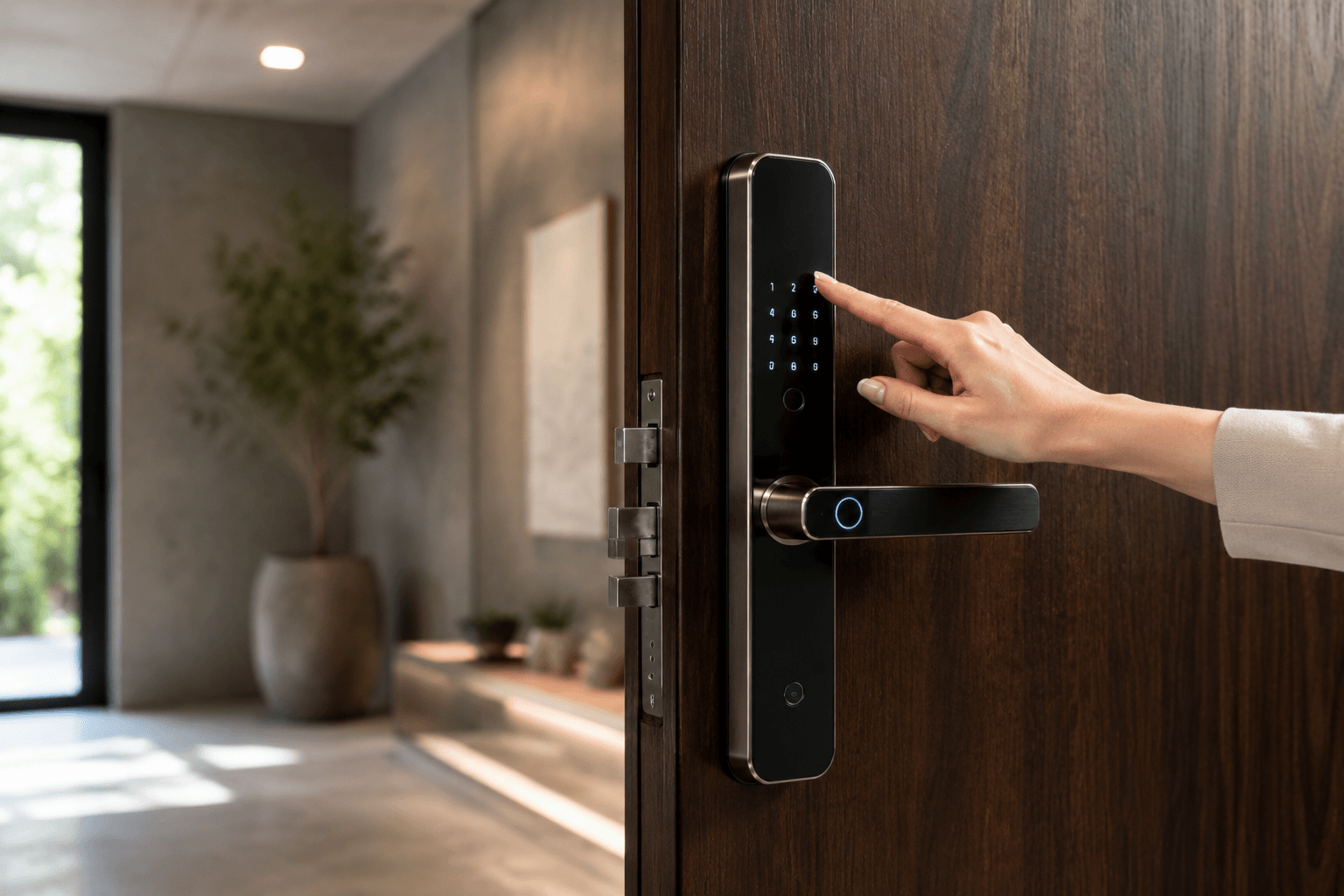
Choosing the Right Fingerprint Lock for Your Project
Selecting the right fingerprint lock depends on the specific requirements of your project. For residential applications, features like app control and temporary PINs are highly valued by homeowners and renters. In contrast, hotels and rental properties often prioritize features like audit trails and remote access to streamline operations.
For apartment projects, scalability and integration with property management systems are crucial. Locks that support TTLock or Tuya platforms enable seamless management of multiple units. Additionally, OEM/ODM capabilities offered by manufacturers like KEYPLUS allow for customization to meet specific project needs.
Practical factors, such as installation ease and after-sales support, also influence purchasing decisions. Locks that are easy to install reduce labor costs and project timelines, while reliable after-sales service ensures long-term satisfaction.
Future Outlook for Fingerprint Lock Manufacturing
The future of fingerprint locks lies in advanced technologies like 3D fingerprint recognition and AI-powered access control. These innovations promise enhanced security and user experience. Additionally, cloud-based access management systems are expected to become standard, offering centralized control for large-scale projects.
For distributors and project buyers, partnering with manufacturers that offer OEM/ODM flexibility and strong R&D capabilities is key. Companies like KEYPLUS provide tailored solutions, ensuring that products meet both current and future market demands. By sourcing from reliable suppliers, businesses can reduce project risks and accelerate go-to-market timelines.
Frequently Asked Questions
Are fingerprint door locks worth it?
Yes, fingerprint door locks offer a high level of convenience and security. According to MarketsandMarkets (2023), the smart lock market is growing at a CAGR of 18.4%, indicating strong demand for biometric solutions. For B2B buyers, the ability to integrate with smart ecosystems and provide multiple unlock methods adds significant value.
What are the disadvantages of fingerprint door locks?
One potential disadvantage is the reliance on battery power, which requires regular maintenance. However, modern locks often include low-battery alerts and backup options like mechanical keys. Additionally, fingerprint sensors may struggle in extreme weather conditions, so buyers should consider the lock’s IP rating for outdoor use.
What is the best fingerprint lock?
The best fingerprint lock depends on your specific needs. For example, locks with ANSI/BHMA certification are ideal for commercial projects, while residential buyers may prioritize app control and aesthetic design. KEYPLUS offers a range of customizable solutions to suit various applications.
How long do fingerprint door locks last?
Fingerprint door locks typically last 5-10 years, depending on usage and maintenance. High-quality locks with certifications like CE and FCC tend to have longer lifespans. Regular updates to firmware and proper care can further extend their durability.
Can fingerprint locks integrate with smart home systems?
Yes, many fingerprint locks are compatible with smart home platforms like Tuya and TTLock. This integration allows users to control locks remotely and monitor access in real time, making them ideal for smart home applications.
What certifications should I look for in a fingerprint lock?
Look for certifications like CE, FCC, RoHS, and ANSI/BHMA. These ensure the lock meets safety, environmental, and security standards. For commercial projects, ANSI/BHMA Grade 1 certification is often required.

