
Keyless Door Lock with Deadbolt: Smart Trends for B2B Buyers
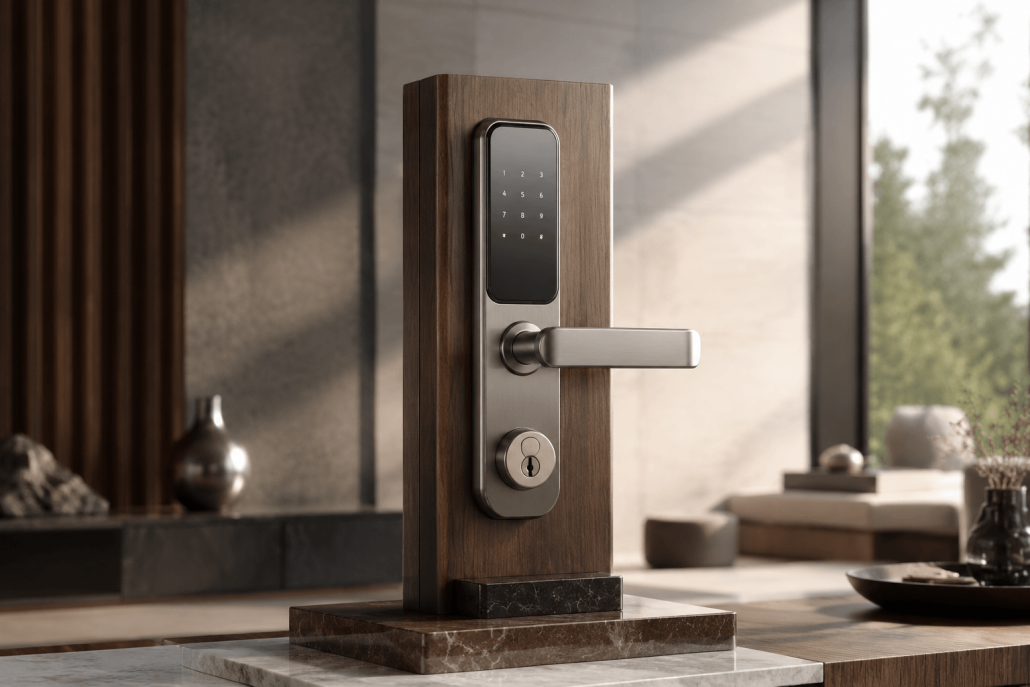
The global smart lock market is projected to reach $8.13 billion by 2026 (Fortune Business Insights, 2023). This growth is driven by increasing demand for enhanced security, convenience, and advanced technology in residential, rental, and hospitality sectors. Buyers now prioritize features like biometric authentication, app integration, and remote access. As a result, sourcing the right keyless door lock with deadbolt solutions is more critical than ever.
About Keyless Door Lock With Deadbolt: Smart Lock Market Trends and Buyer Demand
For B2B buyers, selecting the right keyless door lock with deadbolt supplier is critical. KEYPLUS offers certified smart lock solutions with TTLock/Tuya integration, OEM/ODM flexibility, and competitive MOQ. Learn more below.
The smart lock market is growing at a CAGR of 18.4% (MarketsandMarkets, 2023). This rapid expansion reflects the rising adoption of smart home technology, which is expected to penetrate over 60% of developed markets by 2026 (Statista, 2024). Residential buyers seek convenience and security, while project managers in hospitality and rental sectors demand scalable solutions like TTLock and Tuya-integrated locks.
73% of B2B buyers prioritize app integration and remote access when selecting smart locks (McKinsey, 2023). These features enable users to manage access permissions, monitor activity, and integrate locks into broader smart home ecosystems. For example, TTLock and Tuya platforms offer robust compatibility for multi-scenario use cases. Suppliers like KEYPLUS leverage these integrations to deliver cutting-edge solutions tailored for residential and commercial applications.
Key Features B2B Buyers Evaluate in a Smart Lock Supplier
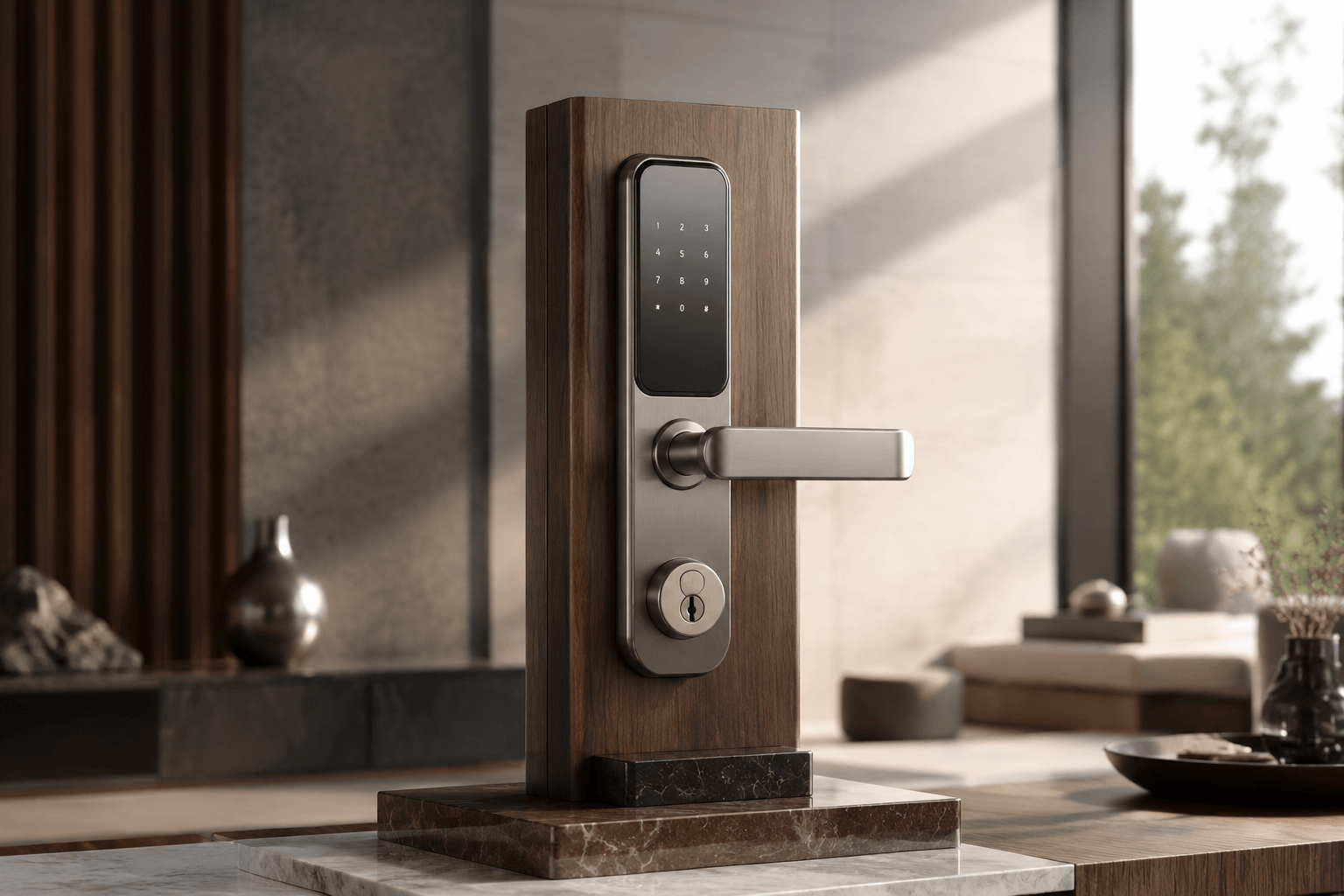
When selecting a smart lock supplier, buyers focus on critical features and capabilities. Unlock methods like fingerprint door locks, RFID cards, and temporary PINs offer versatile access control options. Biometric locks, including face recognition models, provide advanced security for high-end applications.
App ecosystems such as TTLock and Tuya ensure seamless remote access and integration with other smart devices. Installation compatibility is another key factor, as locks must fit various door types, thicknesses, and mortise or deadbolt configurations. ANSI/BHMA Grade 1 certification is required for 68% of commercial access control projects (BHMA, 2023), ensuring reliability and durability in demanding environments.
As Sarah Johnson, Access Control Consultant, states: “B2B buyers prioritize suppliers that offer consistent product quality, certification support, and robust after-sales service.” Suppliers like KEYPLUS stand out by providing OEM/ODM flexibility, stable lead times, and low MOQs, making them ideal partners for distributors and project buyers.
Compliance, Standards, and Product Qualification Requirements
Compliance with international standards is essential for smart lock sourcing. Certifications such as CE, FCC, and RoHS guarantee safety and compatibility for global markets. ANSI/BHMA grading ensures locks meet performance benchmarks, while IP ratings confirm resistance to dust and water.
Battery safety and longevity are critical considerations, especially for locks with high power demands like biometric models. Compatibility with smart home platforms, including TTLock and Tuya, ensures seamless software integration. Export/import documentation and testing reports are often required for distributors and project buyers to meet regulatory requirements.
How to Choose the Right Smart Lock for Residential, Rental, or Hospitality Projects
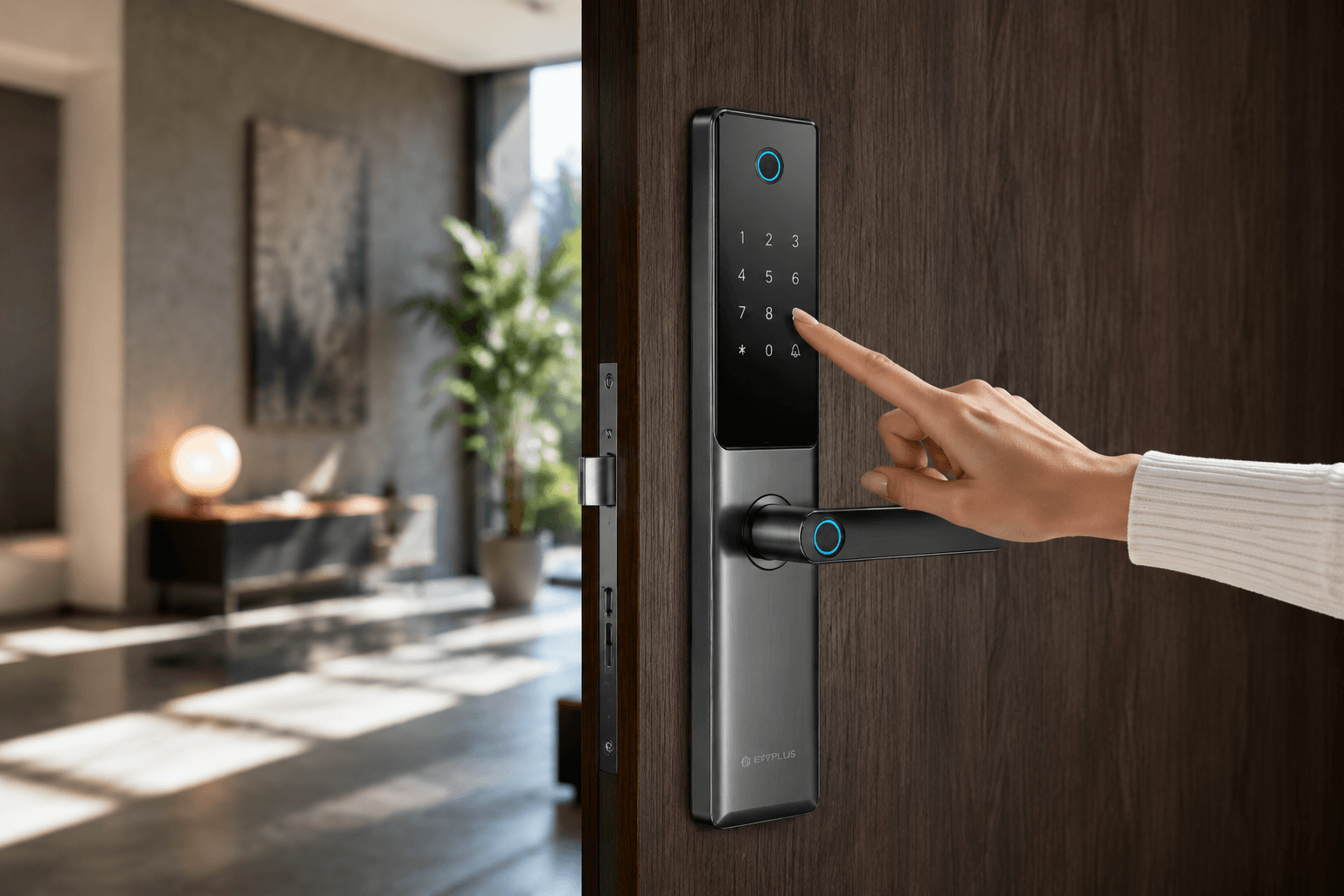
Selecting the right keyless door lock with deadbolt begins with understanding the application. Residential buyers often prioritize convenience features like fingerprint unlock and app control. Rental property managers may prefer locks with audit trails and temporary passcodes to manage tenant access.
Hospitality projects require scalable hotel lock systems that integrate seamlessly with property management software. Door compatibility, installation efficiency, and after-sales support are vital for all scenarios. Buyers should also evaluate suppliers for OEM/ODM capabilities, stable production cycles, and fast sample delivery.
Future Outlook for Smart Lock Manufacturing and Strategic Sourcing
The future of smart lock manufacturing will focus on biometric adoption, cloud-based access management, and multi-scenario solutions. As smart home technology evolves, locks will integrate more deeply with IoT ecosystems and voice assistants. Suppliers like KEYPLUS are well-positioned to deliver innovative solutions through TTLock and Tuya platforms.
For distributors and project buyers, partnering with experienced manufacturers ensures consistent product quality and reduced project risks. Strategic sourcing decisions should prioritize certification coverage, app compatibility, and supplier reliability to achieve long-term success.
Frequently Asked Questions
Who makes the best electronic deadbolt?
Several manufacturers specialize in high-quality electronic deadbolts, including Schlage, Yale, and KEYPLUS. According to MarketsandMarkets (2023), the smart lock market is growing at a CAGR of 18.4%, reflecting rising demand for innovative solutions. Buyers should prioritize certifications, app integration, and supplier reliability when sourcing electronic deadbolts.
What locks do police recommend?
Police often recommend ANSI/BHMA Grade 1 deadbolts for maximum security. These locks meet stringent durability and performance standards. As Sarah Johnson, Access Control Consultant, states: “Locks with biometric authentication and audit trails provide enhanced protection against unauthorized access.” Buyers should evaluate these features for residential and commercial applications.
What is the best brand for digital lock?
Leading brands for digital locks include Schlage, Yale, and KEYPLUS. According to Fortune Business Insights (2023), the global smart lock market is projected to reach $8.13 billion by 2026. Buyers should assess features like app ecosystems, unlock methods, and certification compliance to identify the best supplier for their needs.
Is Kwikset or Schlage better?
Both Kwikset and Schlage offer high-quality locks, but Schlage is often preferred for its ANSI/BHMA Grade 1 certified products. Buyers should compare features like biometric capabilities, app integration, and installation compatibility to determine the best fit for their projects.
What smart lock uses existing deadbolt?
Many smart locks, including those from KEYPLUS, are designed to retrofit existing deadbolts. These solutions provide a cost-effective way to upgrade security without replacing the entire locking mechanism. Buyers should ensure compatibility with their current door hardware before purchasing.
What are the disadvantages of keyless door locks?
Keyless door locks can face challenges like battery dependence and potential hacking risks. However, advanced models with biometric authentication and secure app ecosystems mitigate these concerns. Buyers should prioritize locks with robust certifications and encryption protocols for safe operation.

