
Bluetooth Deadbolt Trends and Insights for Smart Buyers
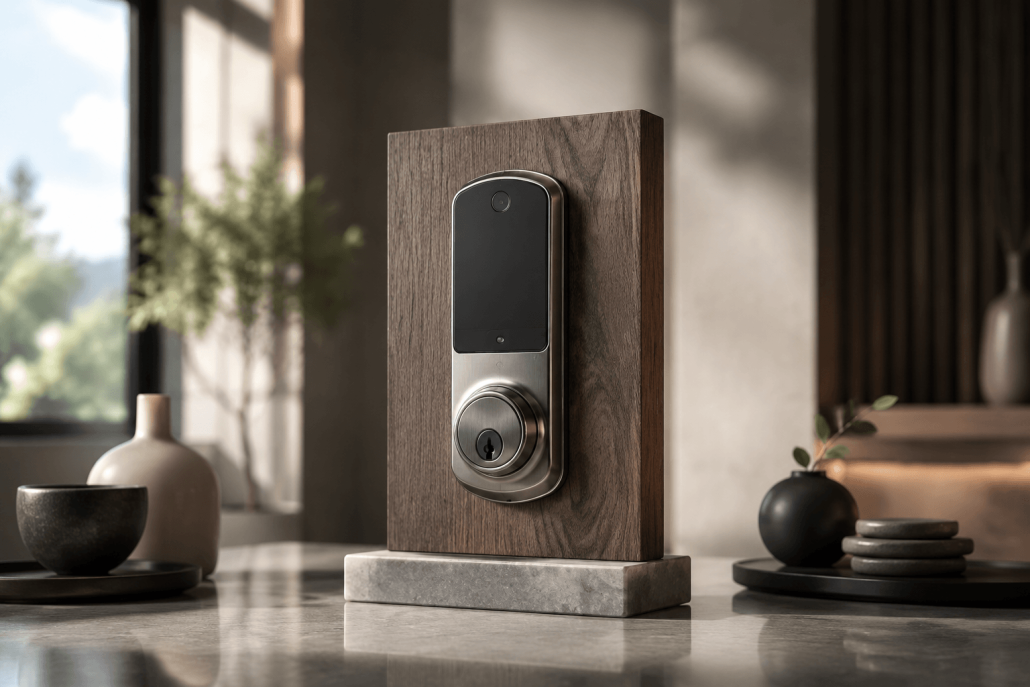
The global smart lock market is projected to reach $8.13 billion by 2026, driven by the increasing demand for secure and convenient access control solutions (Fortune Business Insights, 2023). Among these solutions, Bluetooth deadbolts have gained significant traction across residential, rental, and commercial sectors. Buyers are prioritizing advanced features like remote access, app integration, and temporary PIN codes to meet the evolving needs of modern security systems. As smart homes become more prevalent, Bluetooth-enabled locks offer a seamless blend of security and user convenience.
Expanding Demand for Bluetooth Deadbolts Across Key Sectors
Smart home penetration in developed markets is expected to surpass 60% by 2026 (Statista, 2024). This growth has fueled the adoption of Bluetooth deadbolts in residential homes, rental properties, and hospitality projects. These locks eliminate the need for physical keys, providing homeowners and property managers with greater flexibility and control. For example, landlords can issue temporary PINs to tenants or maintenance personnel, streamlining access management.
In the hotel industry, Bluetooth deadbolts integrate seamlessly with mobile key solutions, enhancing the guest experience. As John Miller, a property technology consultant, states: “Bluetooth deadbolts not only improve security but also align with the digital transformation goals of modern hospitality businesses.” Moreover, the growing popularity of platforms like Tuya and TTLock has enabled manufacturers to offer customizable app ecosystems, catering to diverse user needs.
Key Features B2B Buyers Evaluate in Bluetooth Deadbolts
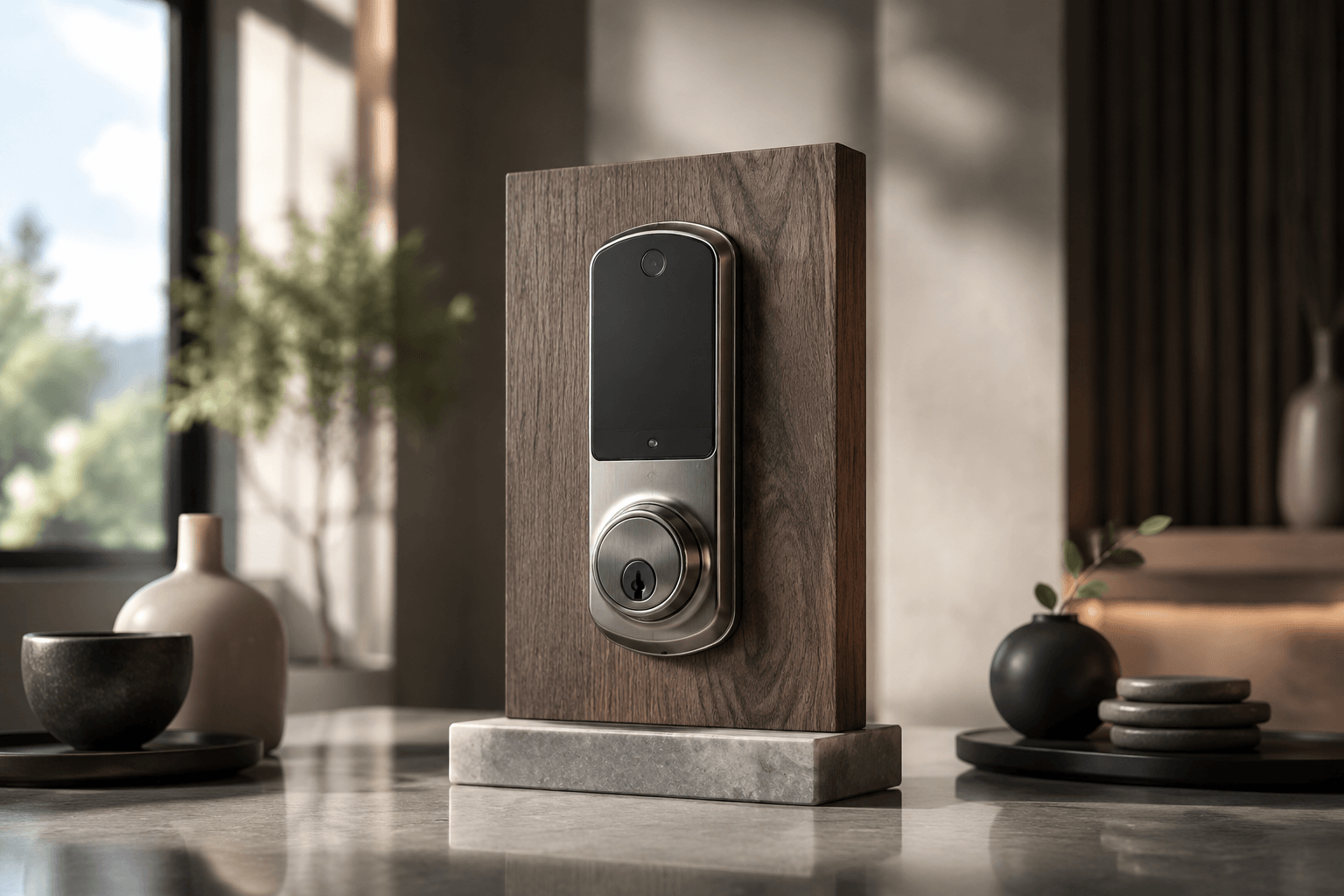
When sourcing Bluetooth deadbolts, B2B buyers prioritize features that ensure reliability, compatibility, and ease of use. According to McKinsey (2023), 73% of buyers consider app integration and remote access as critical factors. This highlights the need for locks that support popular platforms like Tuya and TTLock, enabling seamless control via smartphones.
Unlock methods are another crucial consideration. Modern Bluetooth deadbolts often feature multiple access options, including biometric authentication, RFID cards, and mechanical key backups. This versatility makes them suitable for various applications, from residential front doors to high-traffic commercial spaces. Additionally, buyers should evaluate the lock’s compatibility with different door types and thicknesses to ensure a smooth installation process.
Product stability and after-sales support are equally critical. As Sarah Collins, a security consultant, explains: “Reliability is non-negotiable when it comes to access control. Buyers should look for suppliers with robust quality assurance processes and responsive support teams.” Brands like KEYPLUS, known for their expertise in smart lock R&D and manufacturing, offer tailored solutions that meet these demands.
Compliance, Standards, and Technical Considerations
Compliance with certifications like CE, FCC, and RoHS is essential for Bluetooth deadbolts, especially for importers and distributors targeting international markets. Additionally, 68% of commercial access control projects require ANSI/BHMA Grade 1 certification (BHMA, 2023). These standards ensure the lock’s durability, security, and resistance to tampering.
Battery life is another important technical consideration. High-quality Bluetooth deadbolts are designed to minimize power consumption, ensuring long-lasting performance. Some models also feature low-battery alerts or emergency power options, providing added convenience for end-users.
Software ecosystems play a pivotal role in the lock’s functionality. Buyers should ensure that the lock’s app supports features like audit trails, remote access, and user management. For example, the Tuya platform offers a robust framework for integrating smart locks into broader home automation systems.
Choosing the Right Bluetooth Deadbolt for Your Project
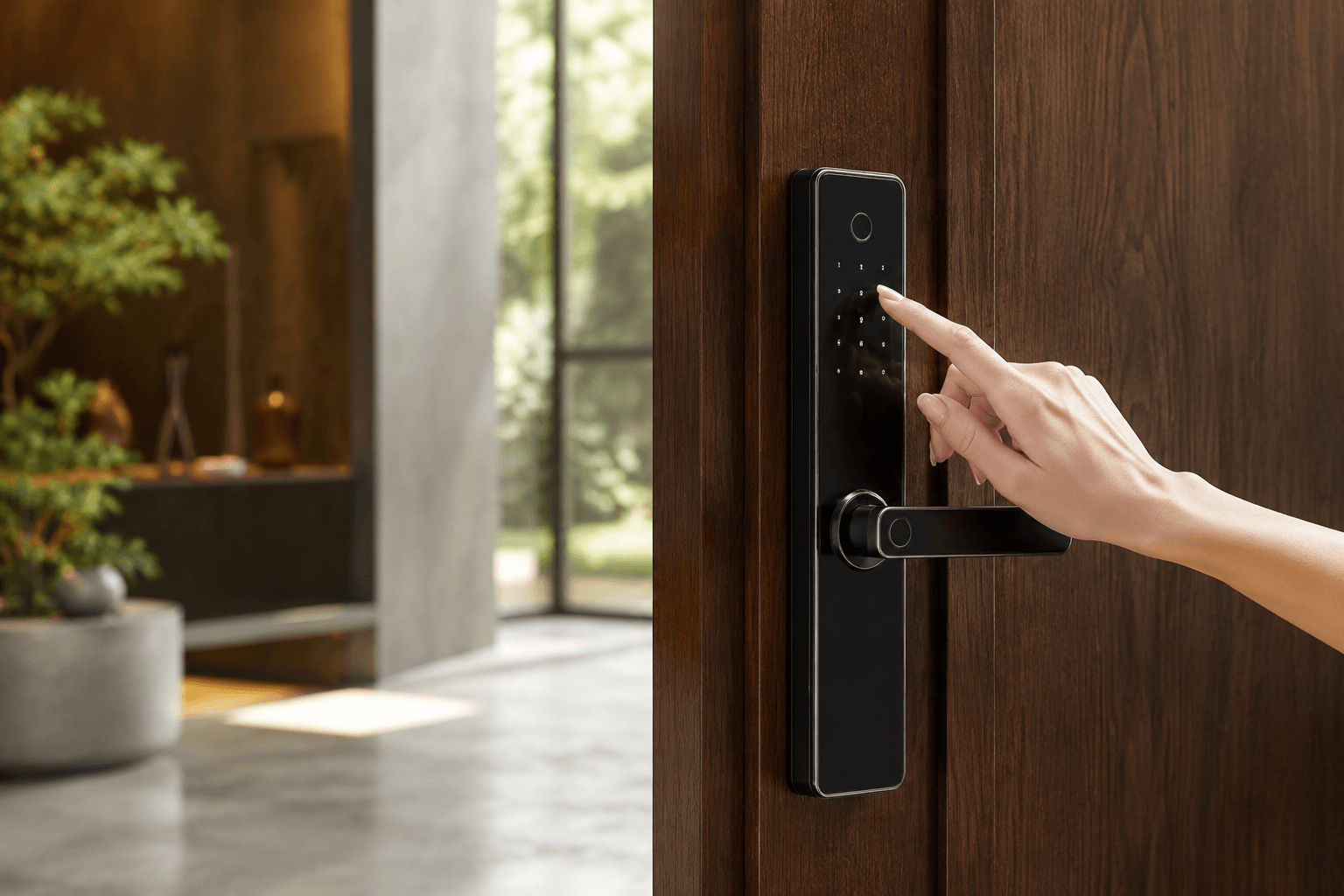
Selecting the ideal Bluetooth deadbolt depends on the specific requirements of your project. For residential applications, prioritize locks with user-friendly apps and multiple unlock methods. Rental property managers may benefit from features like temporary PIN codes and remote access, which simplify tenant management.
Hospitality projects often require locks that integrate with existing property management systems. In these cases, look for brands like KEYPLUS, which offer OEM and ODM capabilities to customize solutions for unique business needs. For commercial and industrial applications, ensure the lock meets ANSI/BHMA standards and offers robust security features.
Practical considerations, such as installation compatibility and lead times, should also factor into your decision. Partnering with a supplier that provides comprehensive project documentation and responsive support can streamline the implementation process and reduce project risks.
Sourcing Strategies and Future Trends in Bluetooth Deadbolts
The smart lock market is growing at a compound annual growth rate of 18.4% (MarketsandMarkets, 2023). Future trends include the adoption of advanced biometric technologies, such as palm vein and 3D face recognition, and the integration of cloud-based access management systems. These innovations promise to enhance security and user convenience further.
For importers and distributors, sourcing strategies should focus on long-term partnerships with manufacturers that offer stable quality and flexible customization options. Brands like KEYPLUS, with extensive experience in smart lock R&D, provide valuable advantages, including low MOQs, fast lead times, and tailored solutions for diverse applications. As the market continues to evolve, aligning with a reliable supplier will be key to staying competitive.
Frequently Asked Questions
Are Bluetooth deadbolts safe?
Yes, Bluetooth deadbolts are designed with robust encryption protocols to ensure secure communication. According to BHMA (2023), locks with ANSI/BHMA Grade 1 certification offer the highest level of security. For added safety, choose models that support app-based user management and audit trails.
What are the disadvantages of smart door locks?
While smart locks offer convenience, they require reliable power sources and internet connectivity. Battery life can be a concern, but high-quality models often include low-battery alerts. Additionally, cybersecurity risks can arise if the lock’s software isn’t regularly updated.
How do Bluetooth deadbolts work?
Bluetooth deadbolts use short-range wireless communication to connect with a smartphone or key fob. Users can lock or unlock doors via an app, which often includes features like remote access and temporary PINs.
What is the best Bluetooth door lock?
The best Bluetooth door lock depends on your specific needs. For residential use, models with app integration and multiple unlock methods are ideal. For commercial projects, prioritize locks with ANSI/BHMA certifications and robust security features.
Do Bluetooth deadbolts work with smart home systems?
Many Bluetooth deadbolts are compatible with smart home platforms like Tuya and TTLock. These integrations enable users to control locks alongside other smart devices, creating a seamless home automation experience.
How do I choose a Bluetooth deadbolt for my project?
Consider factors like door compatibility, app ecosystem, and compliance with certifications like CE and FCC. Partnering with a manufacturer like KEYPLUS ensures access to tailored solutions and reliable quality.

