
NFC Door Lock Solutions for Smart Access Control
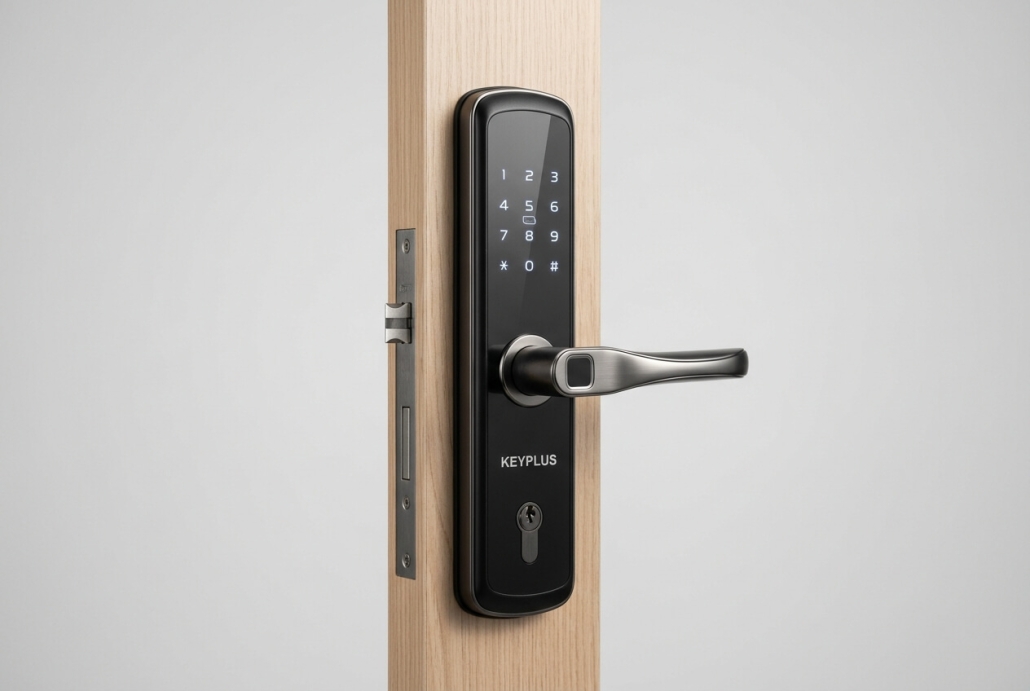
The global smart lock market is projected to reach $8.13 billion by 2026 (Fortune Business Insights, 2023). As demand for secure and convenient access solutions grows, NFC door lock technology is emerging as a key innovation. These locks allow users to unlock doors using mobile devices, offering seamless integration with smart home ecosystems and commercial access control systems. For B2B buyers, NFC-enabled smart locks provide a scalable solution for residential, rental, and hospitality applications.
Why Demand for NFC Door Locks is Growing
Smart home penetration in developed markets is expected to surpass 60% by 2026 (Statista, 2024). This growth is driving the adoption of advanced access control technologies like NFC door locks. These locks offer features such as remote access, app integration, and enhanced security, making them ideal for both residential and commercial applications. Moreover, 73% of B2B buyers prioritize app integration and remote access when sourcing smart locks (McKinsey, 2023). This trend highlights the importance of user-friendly, mobile-enabled solutions in the market.
In addition to residential applications, NFC door locks are gaining traction in the hospitality and rental property sectors. Hotels and vacation rentals benefit from the ability to issue temporary digital keys, reducing the need for physical key management. Similarly, property managers can streamline tenant access while maintaining a secure environment. KEYPLUS, a leading smart lock manufacturer, offers tailored solutions for these markets, combining NFC functionality with advanced features such as fingerprint access and TTLock integration.
Key Features B2B Buyers Evaluate in NFC Door Locks
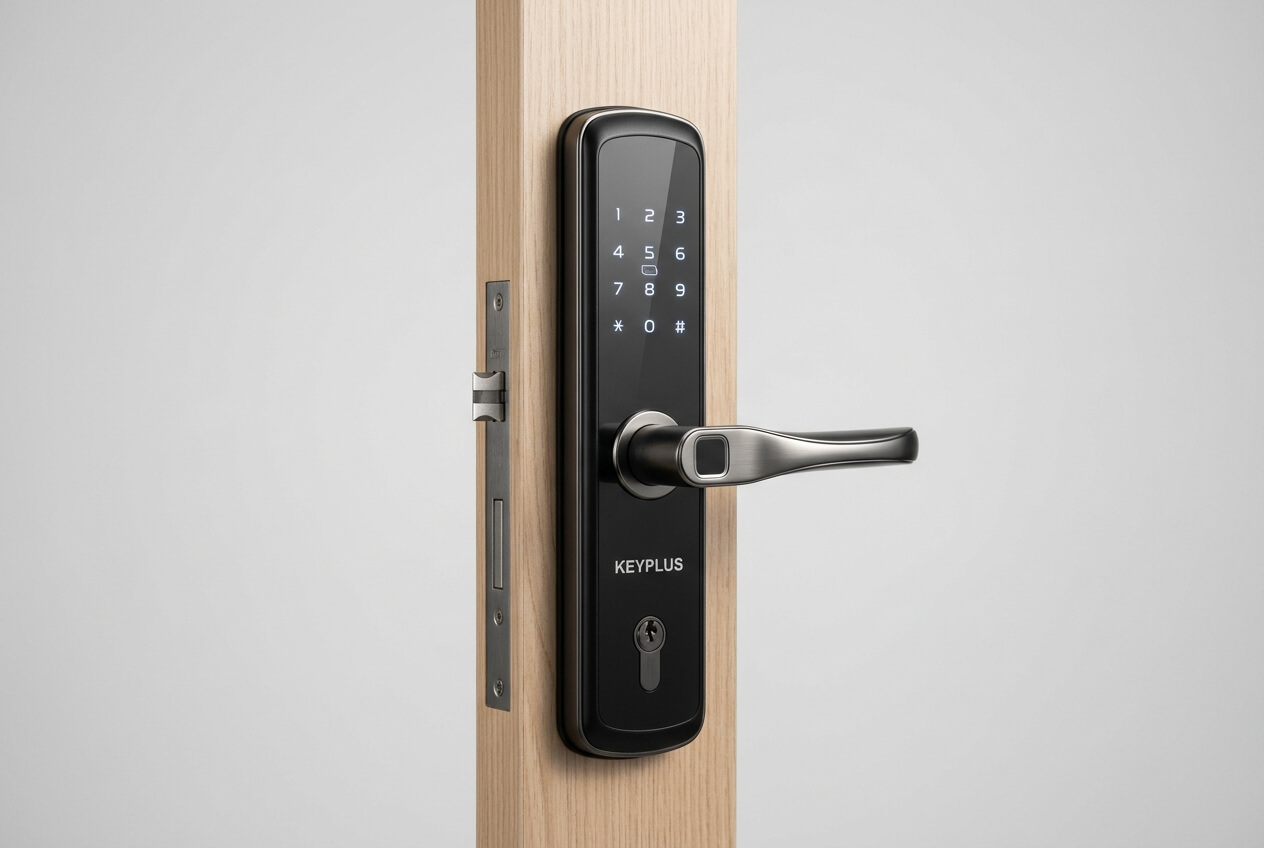
When selecting an NFC door lock supplier, B2B buyers focus on several critical features. Unlock methods, such as NFC, fingerprint, and app-based access, are top priorities. Buyers also evaluate app ecosystem compatibility, installation flexibility, and product certifications. ANSI/BHMA Grade 1 certification, for example, is required for 68% of commercial access control projects (BHMA, 2023).
As Sarah Liu, a property technology consultant, states: “B2B buyers need solutions that integrate seamlessly with existing systems while meeting high security standards. NFC door locks offer both, making them a preferred choice for modern access control.”
Another key consideration is product stability. Buyers often assess battery life, software reliability, and mechanical durability. Brands like KEYPLUS address these concerns by offering locks with CE, FCC, and RoHS certifications, ensuring compliance with international standards. Additionally, features like temporary PINs, audit trails, and remote management enhance the functionality of their NFC-enabled locks.
Compliance and Technical Considerations for NFC Door Locks
B2B buyers must ensure that NFC door locks meet compliance standards and technical requirements. Certifications such as CE and FCC are essential for international trade, while ANSI/BHMA standards ensure durability and security. RoHS compliance is also critical for environmental safety, particularly in markets with strict import regulations.
Compatibility with various door types, including mortise and deadbolt configurations, is another important factor. NFC door locks should support a range of installation scenarios, from retrofitting existing doors to new construction projects. KEYPLUS addresses these needs with locks that are compatible with residential, hotel, and office doors. Their products also integrate with platforms like TTLock and Tuya, offering flexible management options for property owners and managers.
Choosing the Right NFC Door Lock for Your Project
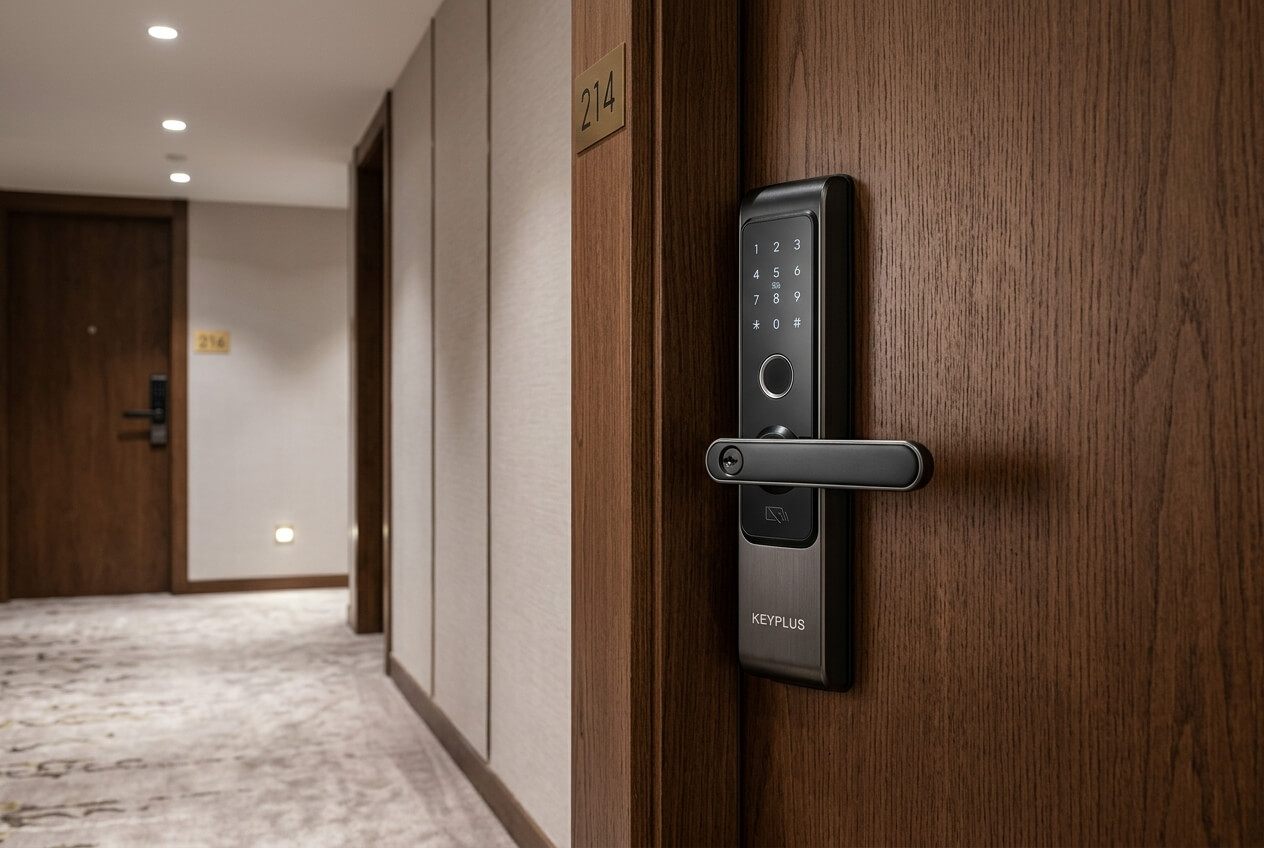
Selecting the right NFC door lock depends on the specific use case. For residential projects, features like fingerprint access and app control are often prioritized. In hospitality settings, temporary digital keys and remote access management are essential. Rental property managers may focus on audit trails and multi-user access control to enhance security and operational efficiency.
KEYPLUS provides customized solutions for various applications, offering OEM/ODM services to meet unique project requirements. Their low MOQs and stable lead times make them a reliable partner for distributors and project buyers. By combining advanced technology with robust support, they help clients achieve successful implementations while minimizing project risks.
Future Outlook for NFC Door Lock Technology
The smart lock market is growing at a CAGR of 18.4% (MarketsandMarkets, 2023), driven by innovations in biometric authentication, app integration, and cloud-based access control. NFC door locks are poised to play a significant role in this growth, particularly as smart home adoption continues to rise. Buyers can expect further advancements in security features, including palm vein recognition and 3D face scanning.
For importers and distributors, sourcing from experienced manufacturers like KEYPLUS ensures access to cutting-edge technology and reliable support. By partnering with a supplier that offers comprehensive certifications, flexible customization, and scalable solutions, businesses can stay ahead in the competitive smart lock market.
Frequently Asked Questions
What is an NFC door lock?
An NFC door lock uses Near Field Communication (NFC) technology to grant access. Users can unlock doors by tapping an NFC-enabled device, such as a smartphone or keycard, on the lock. This technology is ideal for secure, contactless access in residential and commercial settings.
Can I use my phone NFC to open doors?
Yes, you can use your phone’s NFC feature to open doors equipped with NFC-enabled locks. According to McKinsey (2023), 73% of buyers prioritize mobile compatibility when choosing smart locks. Ensure your lock and phone are compatible for seamless operation.
How to unlock a door with Kisi?
To unlock a door with Kisi, use the Kisi app on your NFC-enabled smartphone. Simply tap your phone on the lock or follow app instructions for access. This method is secure and user-friendly, making it popular for business and residential use.
Is it possible to unlock a locked NFC tag?
No, locked NFC tags cannot be unlocked without proper credentials. NFC door locks rely on encrypted communication to ensure security. Always follow manufacturer guidelines for setup and troubleshooting.
How to use NFC on iPhone to unlock a door?
To use NFC on iPhone, ensure your device and lock are compatible. Open the respective app (e.g., Kisi), and tap your phone on the lock. This feature supports secure, contactless access for a range of applications.
What are the benefits of NFC door locks for commercial use?
NFC door locks offer benefits such as secure access, easy management, and reduced key dependency. They are ideal for offices, hotels, and rental properties, providing flexibility and enhanced control through mobile integration.

