
Digital Front Door Lock Trends for Modern Buyers
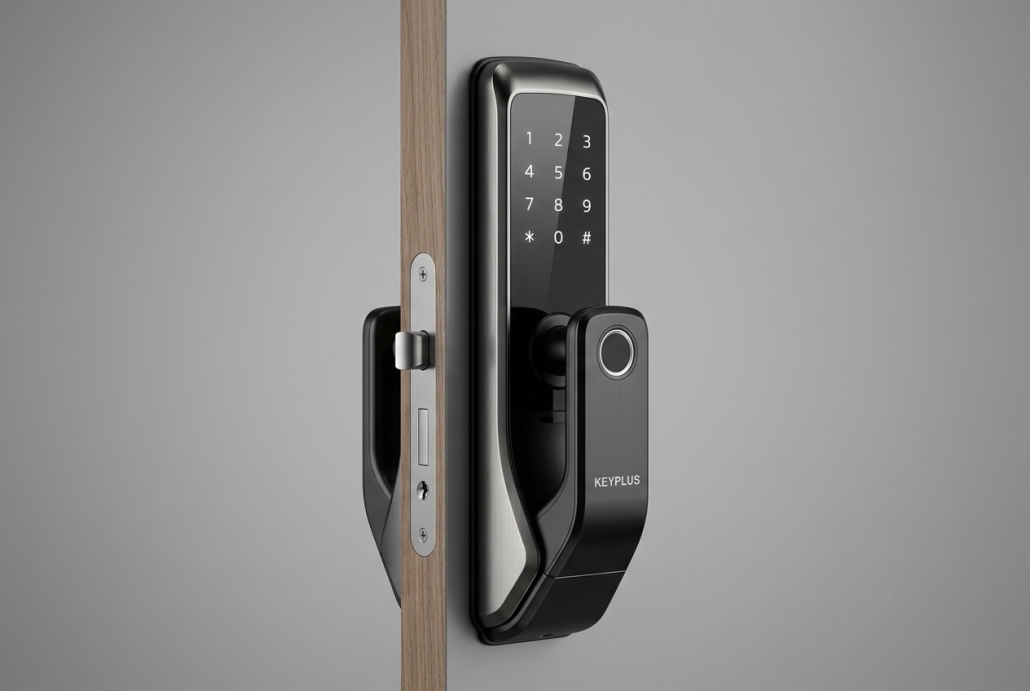
The global smart lock market is projected to reach $8.13 billion by 2026 (Fortune Business Insights, 2023). This growth highlights the increasing demand for secure, convenient, and technologically advanced access control solutions. From residential properties to hospitality projects, digital front door locks are transforming how people manage access to their spaces. With features like biometric authentication, app control, and remote access, these locks are becoming essential for modern property management.
Why Demand for Digital Front Door Locks is Surging
Smart home penetration in developed markets is expected to surpass 60% by 2026 (Statista, 2024). This rapid adoption drives demand for smart locks that integrate seamlessly into connected ecosystems. Digital front door locks, such as those compatible with TTLock and Tuya platforms, provide enhanced security and convenience for homeowners, renters, and property managers. In addition, the rental and hospitality sectors increasingly rely on digital locks to streamline operations and improve guest experiences.
For example, hotel lock systems now enable remote access and temporary PIN codes, allowing guests to check in without physical keys. Similarly, apartment complexes benefit from centralized access control systems that simplify tenant management. As a leading manufacturer, KEYPLUS supports these applications with customizable OEM/ODM solutions tailored to specific project needs.
Key Features B2B Buyers Evaluate in Digital Front Door Locks
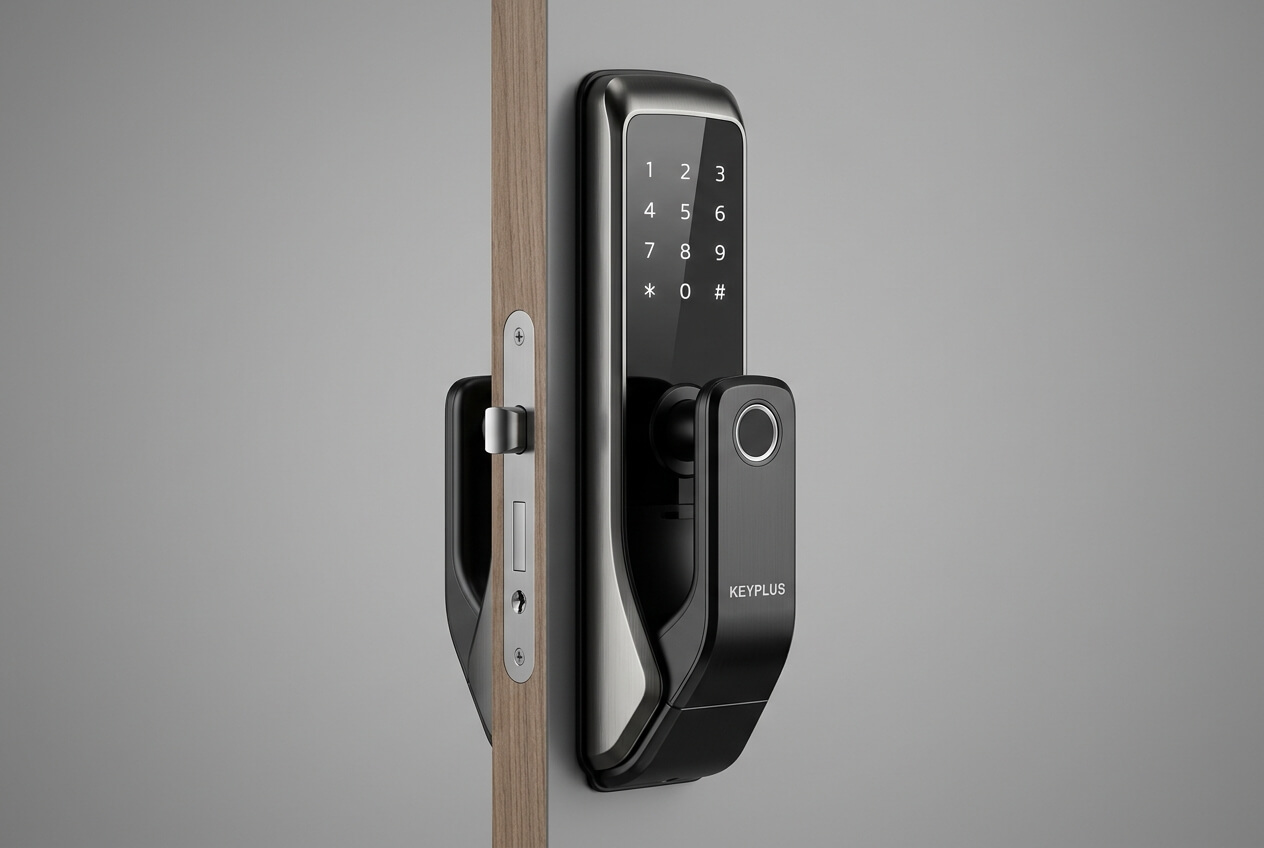
B2B buyers prioritize several critical factors when sourcing digital front door locks. According to McKinsey (2023), 73% of buyers emphasize app integration and remote access capabilities. These features allow property managers to control access from anywhere, providing flexibility and enhanced security. Additionally, biometric options like fingerprint door locks and face recognition smart locks are gaining traction due to their reliability and user convenience.
Certification is another crucial consideration. ANSI/BHMA Grade 1 certification, required for 68% of commercial access control projects (BHMA, 2023), ensures product durability and performance. Buyers also evaluate installation compatibility, such as whether the lock supports mortise or deadbolt configurations. As John Smith, Security Analyst, states: “A supplier’s ability to meet certification standards and provide robust technical support is often a deciding factor for project buyers.”
KEYPLUS excels in these areas by offering a broad product portfolio that includes biometric locks, keypad and touchscreen options, and app-controlled systems. The company’s products integrate seamlessly with TTLock and Tuya ecosystems, ensuring compatibility with existing smart home platforms.
Compliance, Standards, and Product Qualification Requirements
Compliance with international standards is essential for smart lock suppliers targeting global markets. Certifications such as CE, FCC, and RoHS validate product safety and environmental compliance. For commercial applications, buyers often require ANSI/BHMA grading to ensure reliability under frequent use. Importers and distributors must also consider export documentation and regional compliance requirements to avoid logistical challenges.
Battery performance and durability are additional technical considerations. High-capacity batteries with low power consumption ensure uninterrupted operation, even in high-traffic environments. Products like those from KEYPLUS undergo rigorous testing to meet these standards, providing distributors and project buyers with reliable solutions.
Choosing the Right Digital Front Door Lock for Your Project
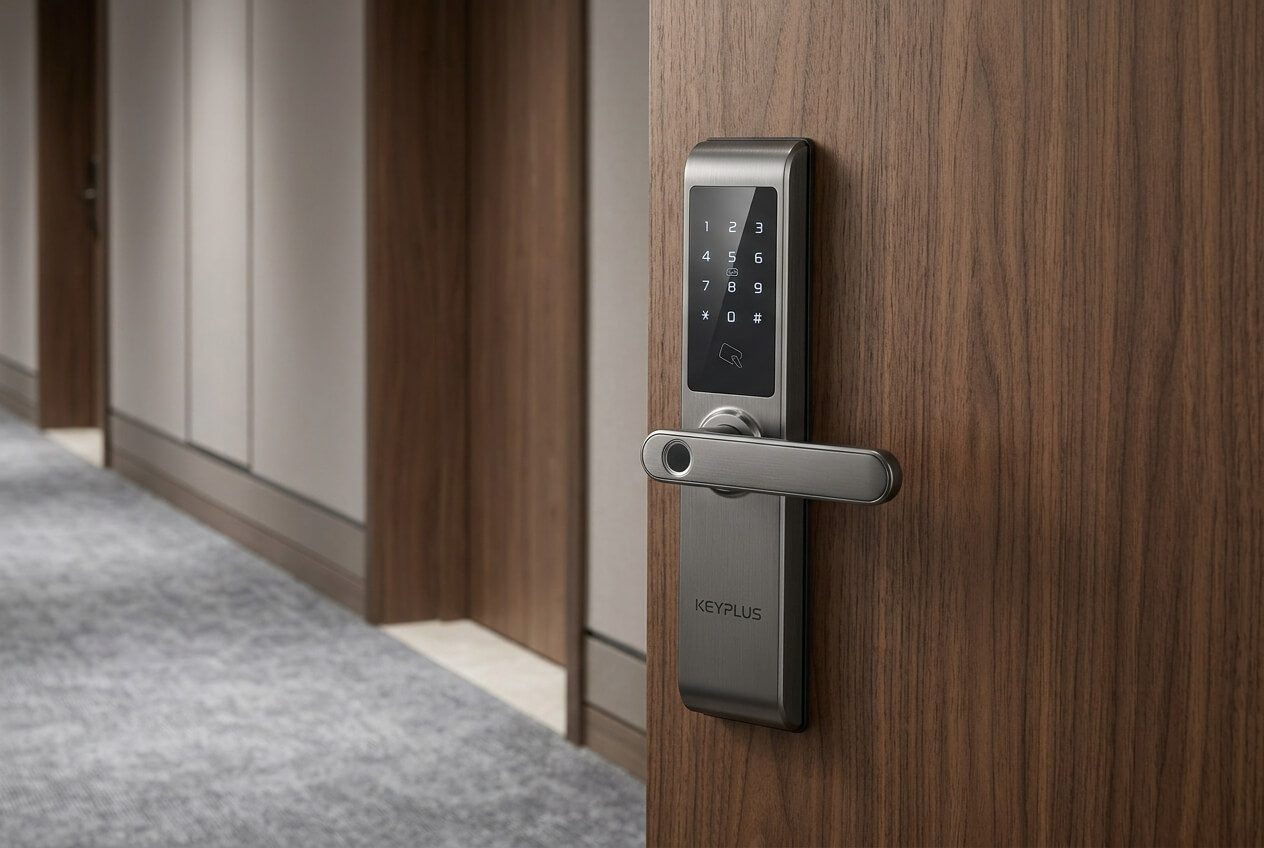
When selecting a digital front door lock, buyers must consider the application scenario. For residential use, keyless entry options with touchscreen or keypad interfaces offer convenience and security. Rental properties benefit from app-controlled locks that enable remote access and audit trails. Hospitality projects, on the other hand, often require RFID card access and temporary PIN functionality for seamless guest experiences.
Door compatibility is another critical factor. Buyers should verify lock dimensions, mortise or deadbolt configurations, and installation requirements to ensure a proper fit. Software ecosystems, such as TTLock and Tuya, play a significant role in user management and system integration. KEYPLUS provides tailored solutions for these scenarios, ensuring a smooth implementation process and long-term operational efficiency.
Sourcing Strategies for Long-Term Success
To ensure successful procurement, importers and distributors should partner with manufacturers that offer OEM/ODM flexibility, low MOQs, and stable lead times. A reliable supplier like KEYPLUS can reduce project risks by providing consistent quality, comprehensive certifications, and robust after-sales support. Moreover, forward-looking buyers should consider emerging trends such as biometric adoption and cloud-based access management to future-proof their investments.
As the smart lock market grows at a CAGR of 18.4% (MarketsandMarkets, 2023), strategic sourcing decisions will become increasingly important. By aligning with experienced manufacturers, buyers can capitalize on market opportunities and deliver value to their customers.
Frequently Asked Questions
Yale assure keypad or touchscreen electronic door locks?
Yale offers a range of keypad and touchscreen electronic door locks designed for residential and commercial use. According to Statista (2024), smart home penetration is driving demand for such products. Buyers should evaluate compatibility with their existing systems, such as TTLock or Tuya, and consider certification requirements for their region.
Keyless entry door lock with handle?
Keyless entry door locks with handles provide convenience and modern aesthetics. Many models now feature biometric options like fingerprint authentication. As John Smith, Security Analyst, notes: “Keyless locks are ideal for properties prioritizing both security and user experience.”
Keyless entry door lock with camera?
Keyless entry door locks with cameras offer enhanced security by integrating video monitoring. Research from MarketsandMarkets (2023) shows a growing demand for such solutions in rental and hospitality applications.
Residential keypad door lock?
Residential keypad door locks are popular for their ease of use and security. Buyers should consider features like temporary PIN codes and app integration for added functionality.
Best keyless entry door lock with handle?
The best keyless entry locks combine biometric authentication, app control, and robust certifications. ANSI/BHMA Grade 1-certified locks are ideal for high-traffic environments.
Keyless entry door lock with app?
App-controlled locks allow remote access and user management. According to McKinsey (2023), 73% of buyers prioritize this feature for its operational flexibility.

