
Fingerprint Door Handle Trends and Applications | KEYPLUS
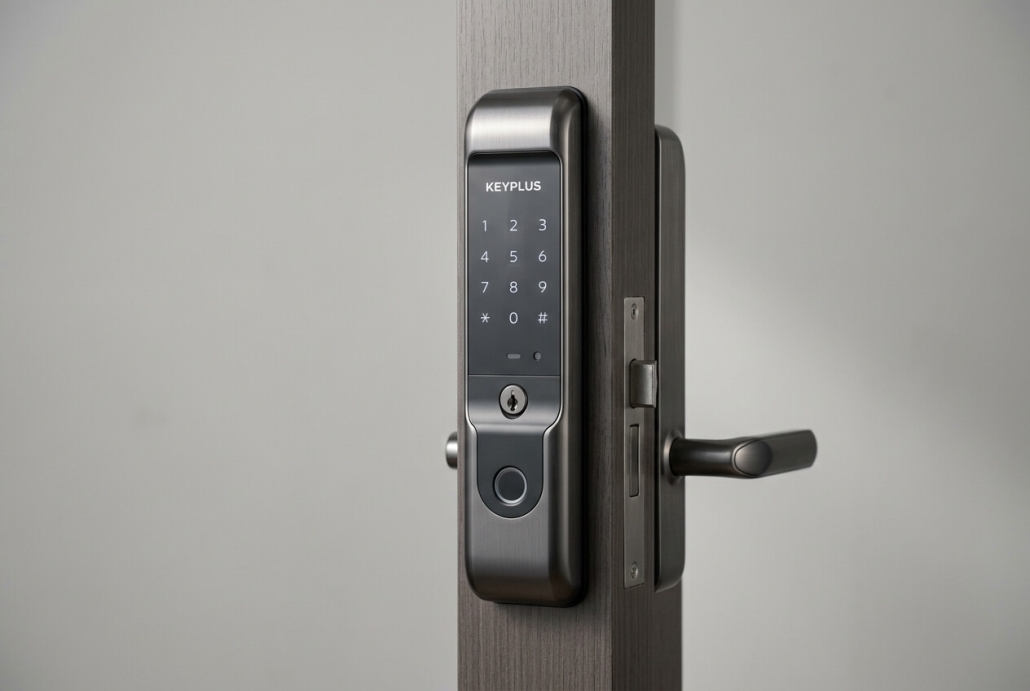
The global smart lock market is projected to reach $8.13 billion by 2026, driven by increasing demand for secure and convenient access control solutions (Fortune Business Insights, 2023). B2B buyers in residential, hospitality, and rental property sectors are prioritizing advanced technologies like fingerprint authentication to enhance security and streamline user management. This article explores the latest trends, key features, compliance considerations, and sourcing strategies for fingerprint door handles.
Growing Demand for Fingerprint Door Handles in Access Control
The adoption of fingerprint door handles is accelerating due to their convenience and enhanced security. Smart home penetration in developed markets is expected to surpass 60% by 2026, with fingerprint-based solutions becoming a preferred choice for homeowners and property managers (Statista, 2024). In addition, the hospitality industry increasingly integrates biometric locks into hotel room access systems, ensuring seamless guest experiences.
KEYPLUS offers OEM/ODM capabilities, enabling distributors and project buyers to customize solutions for diverse applications. The company’s expertise in integrating Tuya and TTLock ecosystems ensures compatibility with smart home platforms, enhancing remote access and temporary PIN functionality.
Key Features B2B Buyers Evaluate in Fingerprint Door Handles
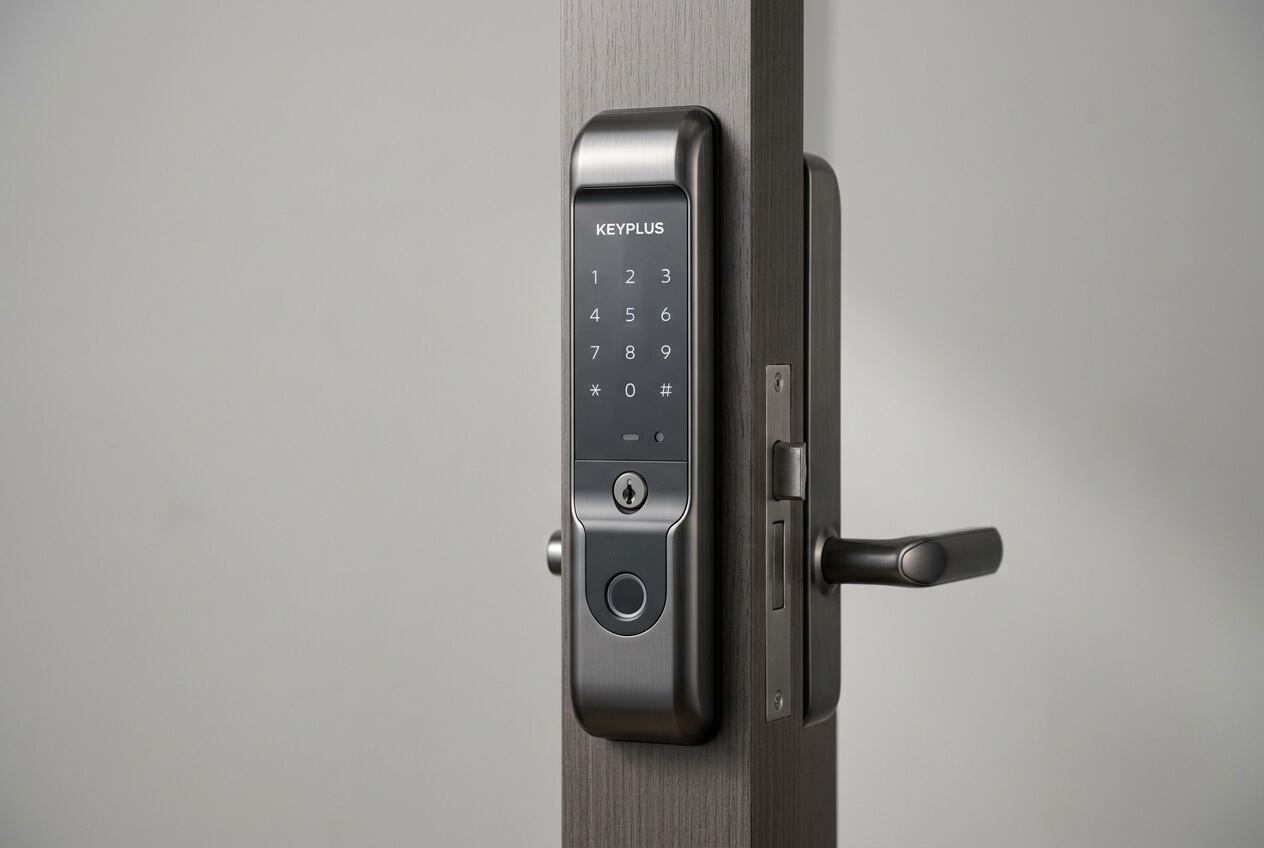
When sourcing fingerprint door handles, B2B buyers focus on features that align with their project requirements. Unlock methods, such as fingerprint, RFID cards, and mechanical keys, provide flexibility for different user scenarios. App integration is crucial, with 73% of buyers prioritizing remote access capabilities (McKinsey, 2023).
ANSI/BHMA Grade 1 certification is required for 68% of commercial access control projects, ensuring durability and reliability (BHMA, 2023). Buyers also evaluate product stability, installation compatibility, and after-sales support. As Sarah Lee, Property Technology Specialist, states: “Fingerprint door handles must offer consistent performance and seamless integration with smart ecosystems to meet the expectations of modern users.”
Compliance and Technical Considerations for Sourcing
Compliance with certifications such as CE, FCC, and RoHS is essential for importers and distributors targeting international markets. These certifications ensure product safety, environmental standards, and compatibility with regulatory requirements. Additionally, battery efficiency and IP ratings are critical for durability in various environmental conditions.
KEYPLUS ensures its fingerprint door handles meet stringent compliance standards, providing detailed project documentation for smooth sourcing. The company’s products are designed to accommodate different door types, making them versatile for residential, apartment, and commercial applications.
Choosing the Right Fingerprint Door Handle for Your Project
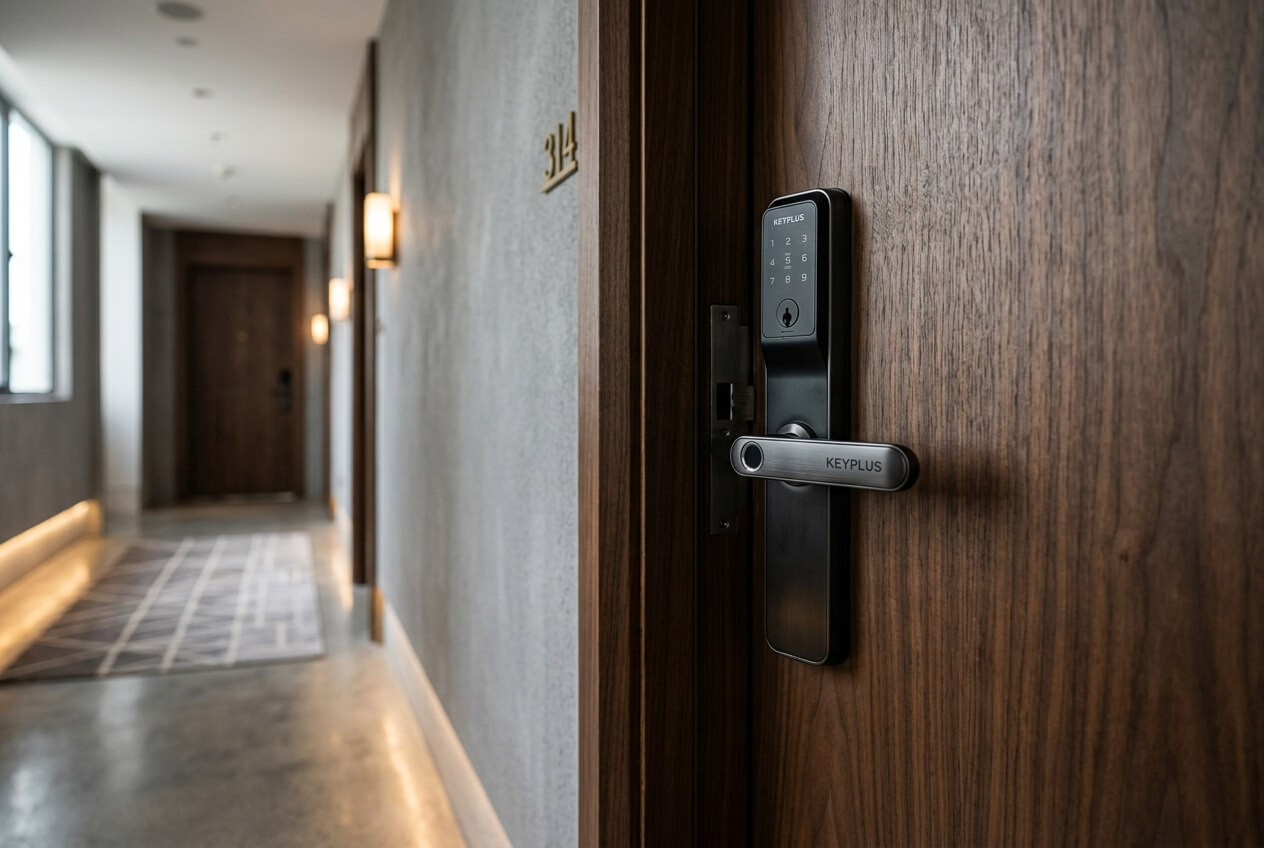
Selecting the ideal fingerprint door handle depends on the project’s use case. For residential applications, buyers should prioritize user-friendly features like app control and temporary PINs. In hospitality settings, locks with audit trail capabilities and seamless integration with hotel management systems are essential.
Rental property managers benefit from locks with remote access and user management features, enabling efficient tenant turnover. KEYPLUS offers flexible MOQ options and stable lead times, ensuring consistent supply for large-scale projects.
Future Outlook for Fingerprint Door Handle Manufacturing
The fingerprint door handle market is expected to grow at a CAGR of 18.4% through 2026, driven by advancements in biometric authentication and smart home integration (MarketsandMarkets, 2023). Manufacturers are investing in technologies like 3D face recognition and palm vein scanning to enhance security further.
Distributors and importers should focus on partnering with suppliers that offer OEM/ODM flexibility, robust product certifications, and reliable after-sales support. For businesses seeking innovative and compliant solutions, KEYPLUS provides a strategic advantage through its expertise in smart lock manufacturing.
Frequently Asked Questions
What are the disadvantages of fingerprint locks?
Fingerprint locks may struggle in extreme weather conditions or if the user’s fingerprint is dirty or damaged. According to BHMA (2023), consistent testing and proper calibration can mitigate these issues. Buyers should choose locks with advanced sensors and multi-factor authentication for enhanced reliability.
How do I reset my Wi-Fi Halo Touch fingerprint?
To reset your Wi-Fi Halo Touch fingerprint lock, follow the manufacturer’s instructions provided in the user manual. Typically, this involves accessing the app and performing a factory reset. For further assistance, consult Kwikset’s customer support team.
Are fingerprint door locks worth it?
Fingerprint door locks offer convenience, enhanced security, and seamless integration with smart home ecosystems. Statista (2024) reports that smart home penetration will exceed 60%, making biometric locks an attractive investment for residential and commercial projects.
Why is my fingerprint not working on my smart door lock?
If your fingerprint is not working, ensure your finger is clean and dry. Extreme temperatures or sensor malfunctions may also cause issues. Regular maintenance and firmware updates can improve performance.
Does Kwikset make a fingerprint door lock?
Yes, Kwikset offers the Halo Touch fingerprint door lock. This model features Wi-Fi connectivity, biometric authentication, and app control for enhanced convenience and security.
Do fingerprint door locks need Wi-Fi?
Not all fingerprint door locks require Wi-Fi. Locks with standalone functionality can operate without internet access, while advanced models, like the Halo Touch, use Wi-Fi for remote management and app integration.

