
Emerging Smart Lock Trends for Keypad Door Knob Buyers
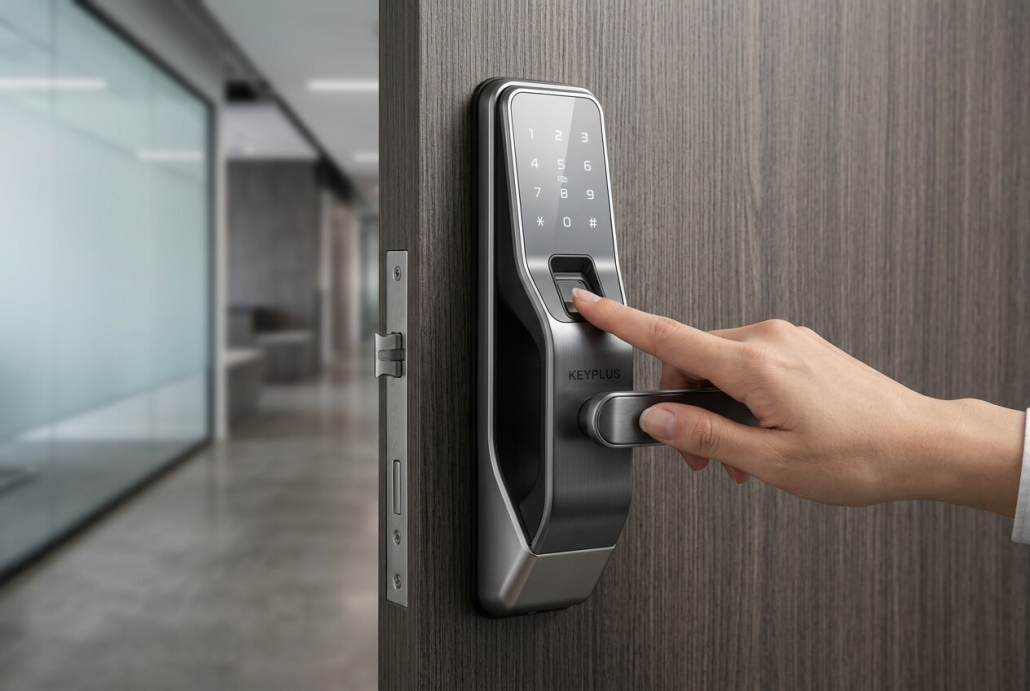
The global smart lock market is projected to reach $8.13 billion by 2026 (Fortune Business Insights, 2023). This growth reflects an increasing demand for robust and versatile security solutions. B2B buyers are focusing on smart door locks for residential and commercial applications, looking for reliability and innovation. Keypad door knobs, in particular, offer unique benefits that support access control and ease of integration with modern smart home ecosystems.
About Keypad Door Knob: Smart Lock Market Growth and Industry Dynamics
For B2B buyers, selecting the right keypad door knob supplier is critical. KEYPLUS offers certified smart lock solutions with TTLock/Tuya integration, OEM/ODM flexibility, and competitive MOQ. Learn more below.
Smart home penetration in developed markets is expected to surpass 60% by 2026 (Statista, 2024). This indicates robust growth in smart lock adoption, with key trends such as remote access and app integration. The market is growing at a CAGR of 18.4% (MarketsandMarkets, 2023), showing how smart locks, including keypad and touchscreen models, cater to the needs of apartment projects, rental properties, and hotel security solutions. KEYPLUS leverages its R&D for smart lock advancements, ensuring products meet the OEM customization needs of diverse clients.
Evaluating Smart Lock Features and Supplier Criteria
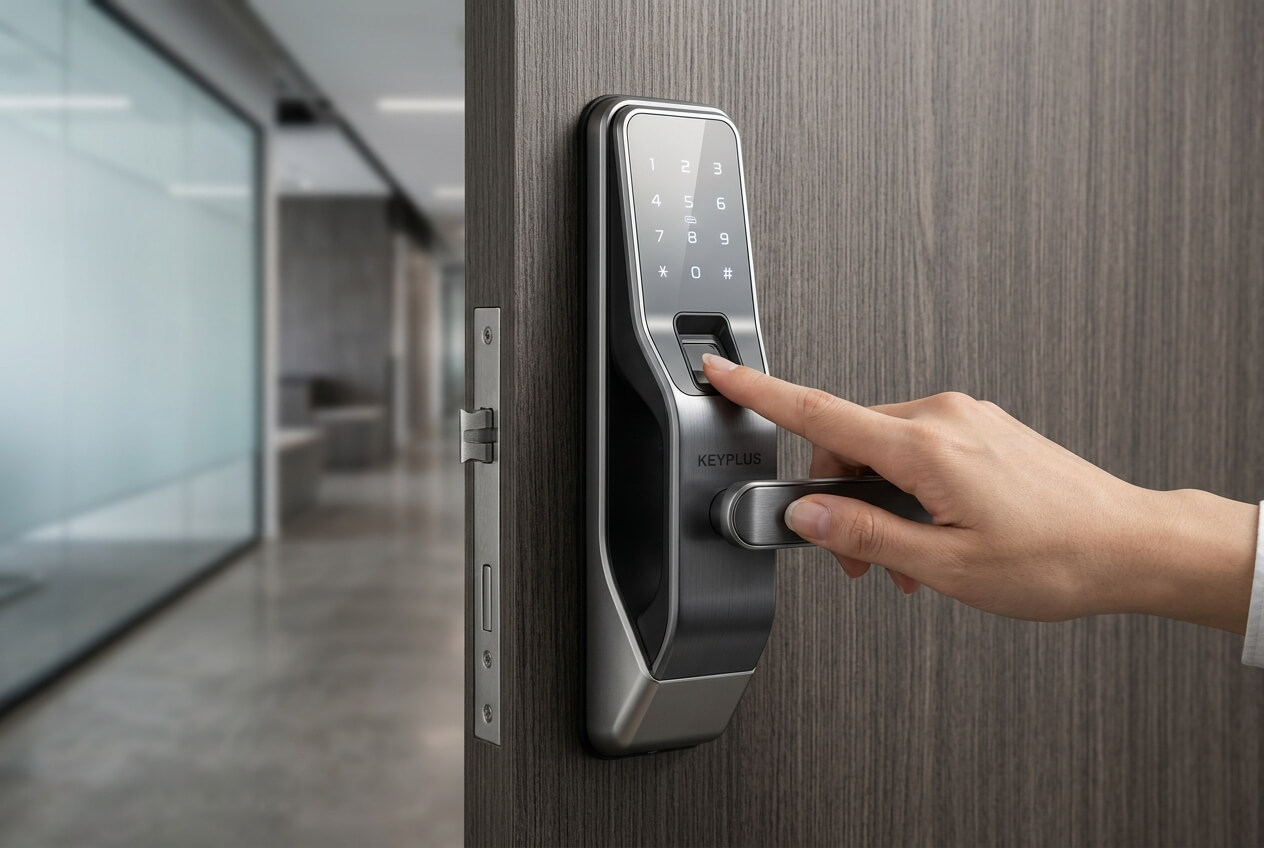
B2B buyers prioritize features like app integration, fingerprint unlocking, and remote control. According to McKinsey (2023), 73% of B2B buyers consider app integration and remote access as essential when selecting smart locks. As David Chen, a security consultant, states: “Buyers are looking for solutions that offer seamless integration and user management systems.” Installation compatibility, certification, and consistency are also crucial to select the right supplier. KEYPLUS offers extensive TTLock and Tuya integrations, simplifying these evaluations.
Compliance and Technical Considerations for Smart Locks
ANSI/BHMA Grade 1 certification is required for 68% of commercial access control projects (BHMA, 2023), underlining the importance of compliance. Buyers must consider CE, FCC, and RoHS certifications, which are paramount in international markets. Door type compatibility and app ecosystems further influence purchasing decisions. Appreciating these standards can significantly impact importers and distributors, ensuring project consistency and tech alignment. KEYPLUS’ dedication to rigorous testing underlines its commitment to quality and compliance.
Choosing Suitable Smart Locks for Specific Applications
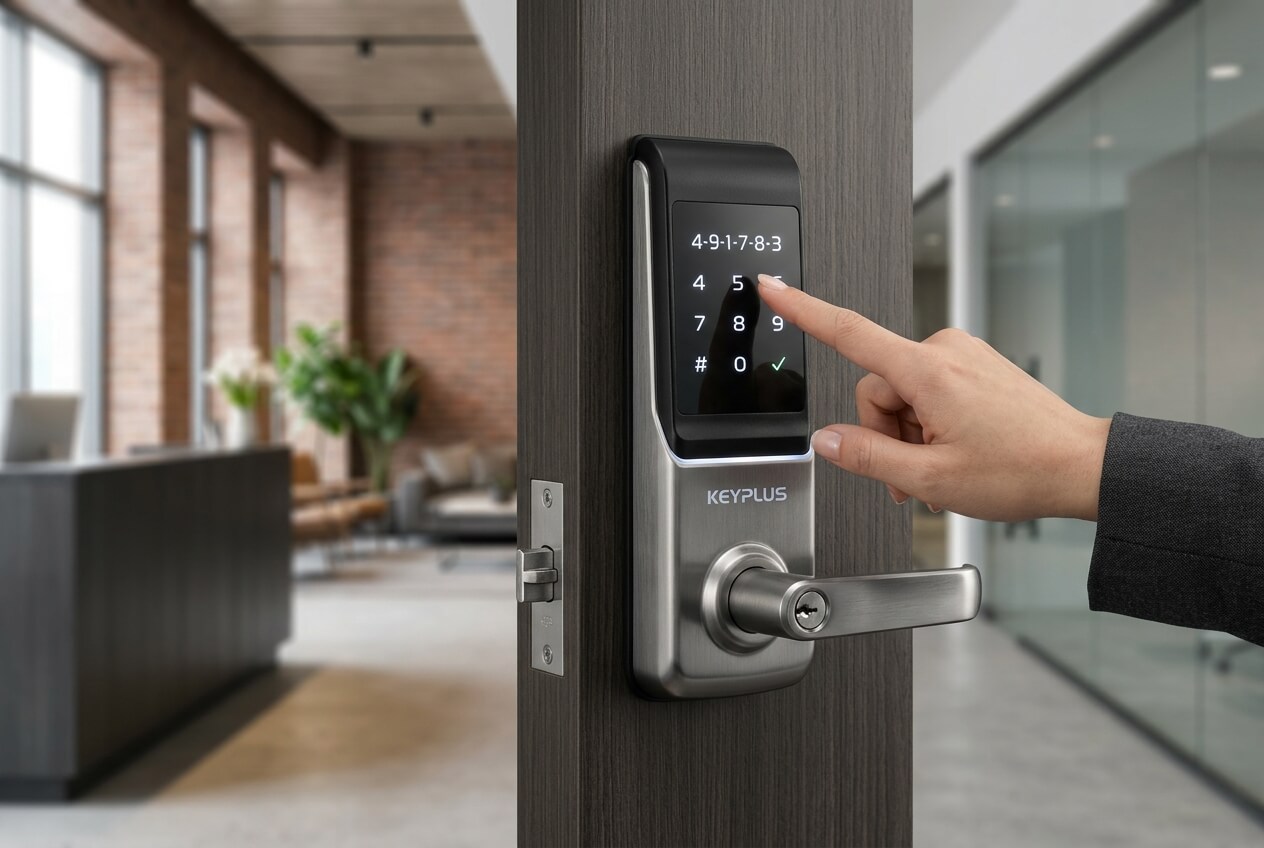
Keypad door knobs offer versatility for residential, rental, and hospitality environments. When selecting a smart lock, compatibility with existing systems is key. B2B buyers should consider the lock’s integration capabilities and after-sales support. For projects ranging from apartments to hotels, selecting streamlined installation and maintenance solutions can enhance operational efficiency. KEYPLUS helps buyers by offering flexible lead times and trustworthy after-sales services.
Strategic Sourcing and Building Long-Term Partnerships
To excel in smart lock deployment, strategic sourcing and building partnerships with reliable manufacturers are vital. This involves evaluating OEM/ODM capabilities and certification support. Buyers benefit from working with a partner like KEYPLUS, known for reducing project risks and ensuring product stability. Providing tailored solutions, they foster long-term value and innovation. For importers and distributors, aligning with such partners can streamline processes and enhance growth trajectories.
Frequently Asked Questions
Which electronic door lock is the best?
The best electronic door lock depends on specific needs; however, keypad door knobs offer simplicity and integration benefits. As per market data, smart locks with app integration and remote access features are popular. For a balance of security and convenience, consider locks with robust app ecosystems and certification assurances.
What are the disadvantages of keyless door locks?
Keyless door locks may pose issues if batteries are not maintained, which can lead to lockouts. Security concerns arise if systems lack encryption. Buyers should prioritize models with backup access and strong security protocols.
What locks do police recommend for doors?
Police often recommend locks with ANSI/BHMA ratings for security. For smart options, those with CE and FCC certifications are generally trusted. Consulting local guidelines and choosing certified products can ensure compliance and peace of mind.
What are the disadvantages of electronic door locks?
Potential disadvantages include technical malfunction risks and reliance on power sources. It’s crucial to choose locks with fail-safe features, such as mechanical key backups, to counter digital setbacks.
Yale Assure keypad or touchscreen electronic door locks?
Both options offer solid security; select based on aesthetic preference and ease of use. Touchscreen models often provide additional features, while keypads ensure straightforward operation.
Keyless entry door lock with handle?
This setup allows for sleek design integration and practical functionality in both residential and commercial settings. Ensure it matches with existing security systems for optimal performance.

