
Keyless Deadbolt Industry Trends for Smart Buyers | KEYPLUS
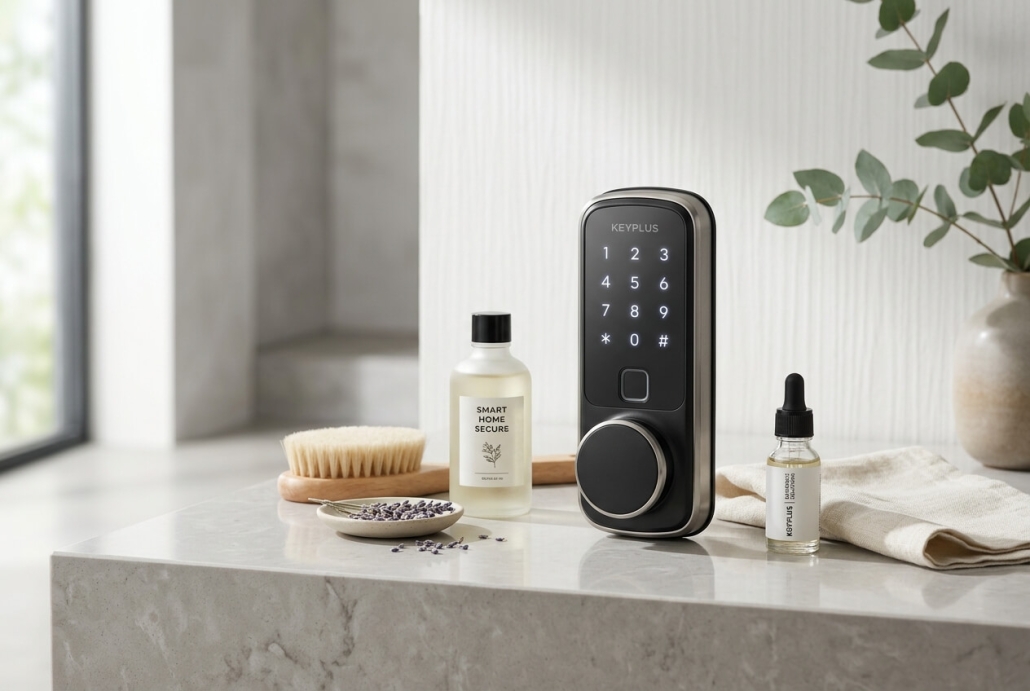
The global smart lock market is projected to reach $8.13 billion by 2026 (Fortune Business Insights, 2023). This growth is driven by increased demand for enhanced security and convenience. Smart locks provide keyless entry solutions, which are rapidly becoming essential in residential, rental, and hospitality sectors, allowing seamless access through fingerprint, app, or TTLock integration.
About Smart Door Lock Manufacturer: Rising Demand in Residential and Commercial Applications
For B2B buyers, selecting the right smart door lock manufacturer supplier is critical. KEYPLUS offers certified smart lock solutions with TTLock/Tuya integration, OEM/ODM flexibility, and competitive MOQ. Learn more below.
Smart lock demand continues to rise, impacting residential and commercial markets. Homeowners and property managers prioritize security upgrades and ease of use. Moreover, smart home penetration is expected to surpass 60% in developed markets by 2026 (Statista, 2024), indicating a robust market for smart locks. Consequently, property managers look for versatile solutions like biometric locks and fingerprint door locks, which enhance user convenience.
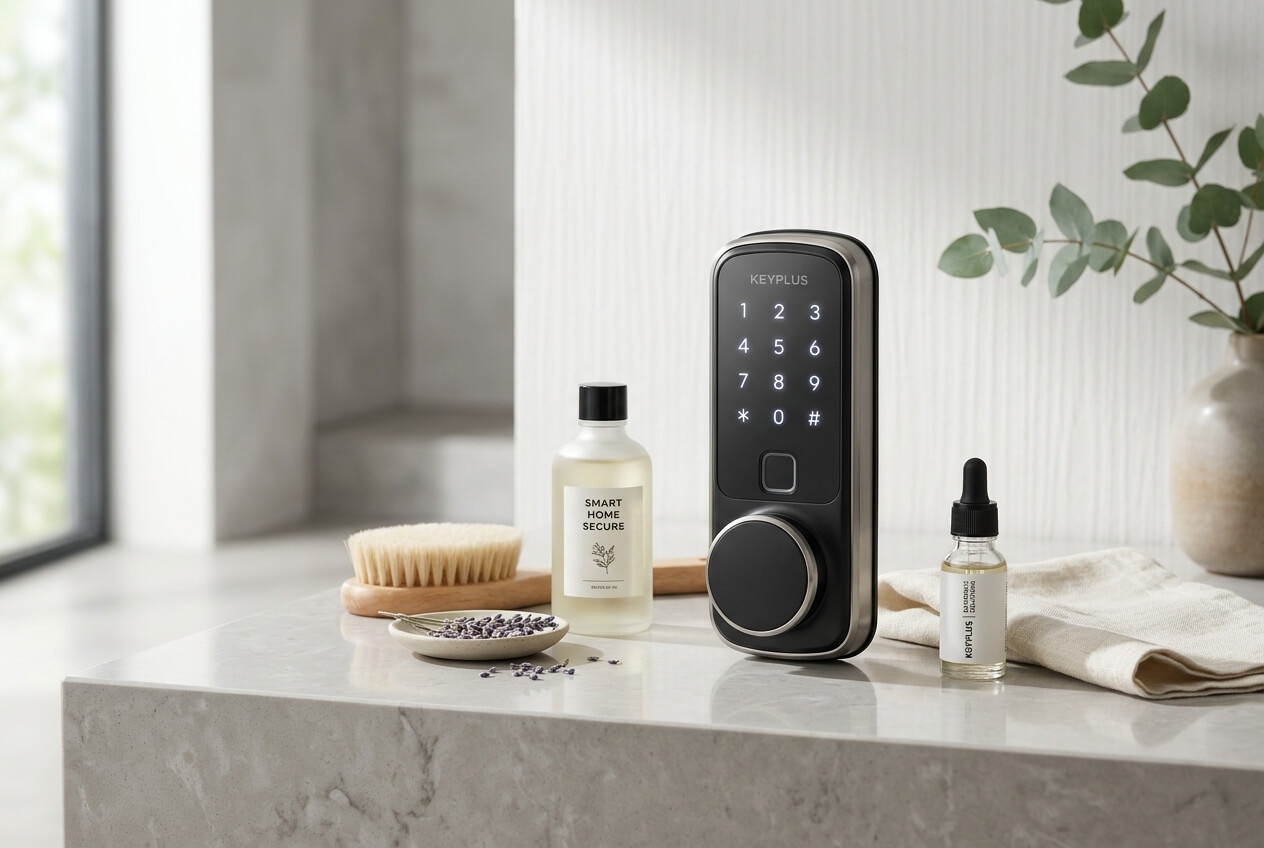
Critical Product Features and Supplier Evaluation
When selecting a smart lock supplier, B2B buyers must evaluate several key factors. These include unlock methods, ranging from biometric to app-based systems like Tuya and TTLock. According to McKinsey (2023), 73% of buyers prioritize app integration and remote access. Therefore, suppliers must offer compatible and stable software ecosystems. Supplier strength in OEM/ODM capabilities and successful integration with access systems supports their appeal.
Compliance and Technical Considerations
Compliance with standards such as ANSI/BHMA and CE is vital. ANSI/BHMA Grade 1 certification is required for 68% of commercial projects (BHMA, 2023). Moreover, traceable supply chains ensure safety and performance. Products must also be compatible with various door types, app ecosystems, and export documentation. In addition, battery life and connectivity features like Wi-Fi and Bluetooth are crucial for sustained functionality and user satisfaction.
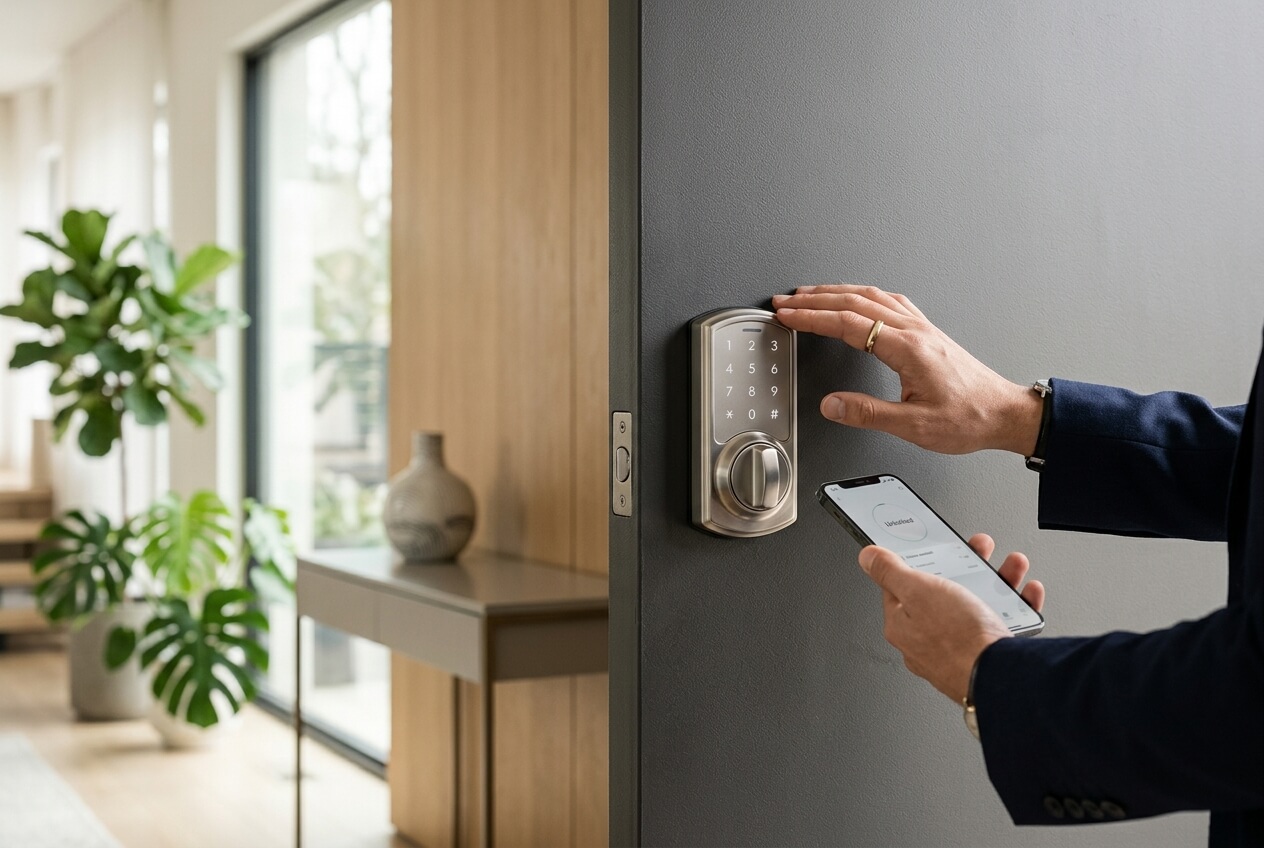
Selecting the Right Smart Lock for Specific Use Cases
For each application, whether residential, hotel, or rental, the correct smart lock solution must be chosen. For example, hotels benefit from face recognition smart locks that offer seamless check-in experiences. Meanwhile, residential projects require robust locks with features like fingerprint unlocks, reducing the risk of unauthorized access. Implementers must consider door compatibility and smart home integration for efficiency.
Sourcing Strategies and Long-Term Partnerships
Developing a sourcing strategy involves understanding OEM/ODM capabilities, MOQ, and lead times. Long-term partnerships with reliable manufacturers like KEYPLUS offer benefits such as consistent quality, compliance support, and flexible customization. As Chris Nolan, Access Control Specialist, notes: “Strategic partnerships with manufacturers reduce project risk and improve delivery timelines.” Consequently, importers and distributors can enhance their market position through such collaborations.
Frequently Asked Questions
Are keyless deadbolts safe?
Keyless deadbolts provide secure solutions when implemented correctly. According to BHMA standards, compliance ensures high security. Look for ANSI/BHMA certification when sourcing keyless deadbolts to ensure safety and reliability.
What are the best keyless deadbolts?
Smart locks that integrate with platforms like TTLock and Tuya lead in functionality. McKinsey’s report emphasizes app integration, a crucial component for leading smart locks. Buyers should prioritize brands with proven integration capabilities.
Can keyless locks be broken into?
While no system is foolproof, smart locks with robust encryption and unique PIN generation offer enhanced security. Buyers should look for locks offering advanced cybersecurity measures.
What are the downsides of smart locks?
Potential issues include battery life and connectivity challenges. Ensure smart locks offer backup options and robust warranty support to mitigate such challenges effectively.
Best door locks to prevent break-ins?
Security-focused models like biometric locks offer advanced safety features. Keyless deadbolts with multi-layer authentication can effectively prevent break-ins.
Medeco Maxum high security deadbolt?
Known for durability and security, Medeco Maxum deadbolts offer ANSI/BHMA Grade 1 certification. Ideal for commercial projects requiring high security compliance.

