
What Happens If a Smart Lock Battery Dies?
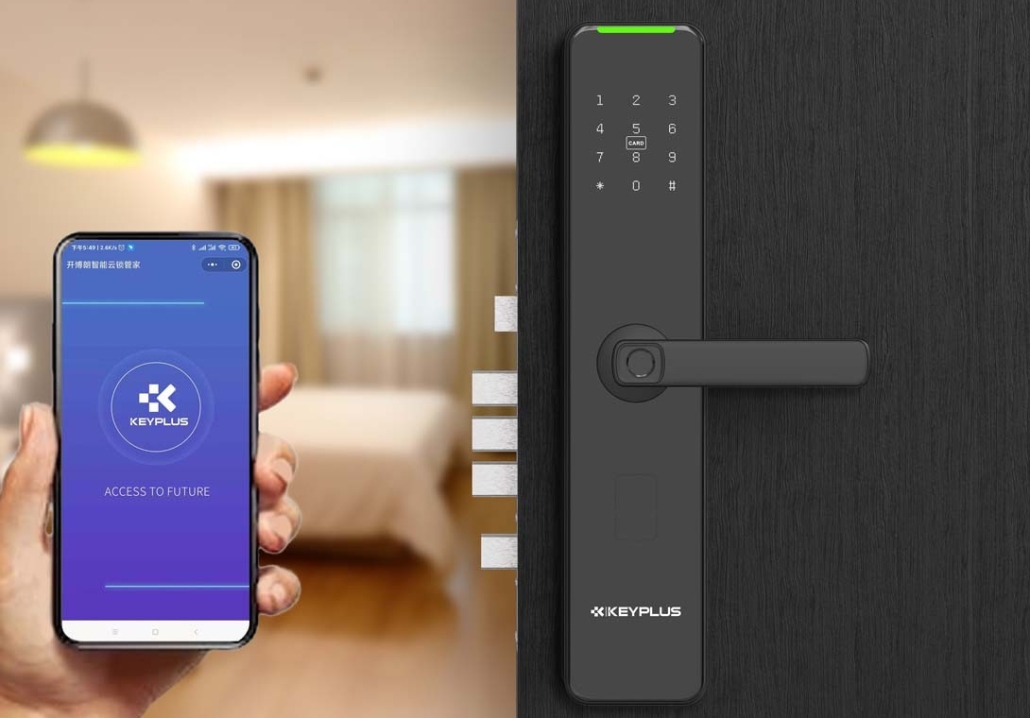
Smart locks offer convenience, keyless entry, and remote access—but what happens when the battery dies? Unlike traditional locks, smart locks rely on power to function, which raises concerns about reliability.
In this article, we’ll explore:
-
How smart locks handle low battery warnings
-
What happens when the battery dies completely
-
How to regain access if your smart lock loses power
-
Preventative measures to avoid lockouts
By the end, you’ll know exactly what to expect and how to prepare for a smart lock battery failure.
1. Do Smart Locks Warn You Before the Battery Dies?
Most modern smart locks are designed to alert users well before the battery runs out. Common warning signs include:
-
Mobile app notifications (if connected via Wi-Fi or Bluetooth)
-
Beeping sounds or flashing LED lights on the lock itself
-
Voice alerts (if integrated with a smart assistant like Alexa or Google Home)
-
Reduced performance (slower response times, difficulty connecting)
Many smart locks will continue working for days or even weeks after the first low-battery warning, giving you plenty of time to replace the batteries.
2. What Happens When the Battery Dies Completely?
If you ignore the warnings and the battery fully dies, here’s what you can expect:
A. Locked Out? Not Necessarily
Contrary to popular belief, most smart locks do not permanently lock you out when the battery dies. Manufacturers include backup methods to ensure you can still enter your home:
-
Physical key override – Many smart locks have a hidden keyhole for emergencies.
-
External battery boost – Some models allow you to use a 9V battery or USB power bank to temporarily revive the lock.
-
Manual unlocking mechanism – Certain smart locks let you turn the deadbolt manually with a tool.
B. Loss of Smart Features
While you may still gain entry, smart functions (remote access, auto-locking, and notifications) will stop working until you replace the battery.
C. Potential Security Risks
If your smart lock has no backup key or power option, you may need to call a locksmith—or even break in. This is rare but possible with poorly designed models.
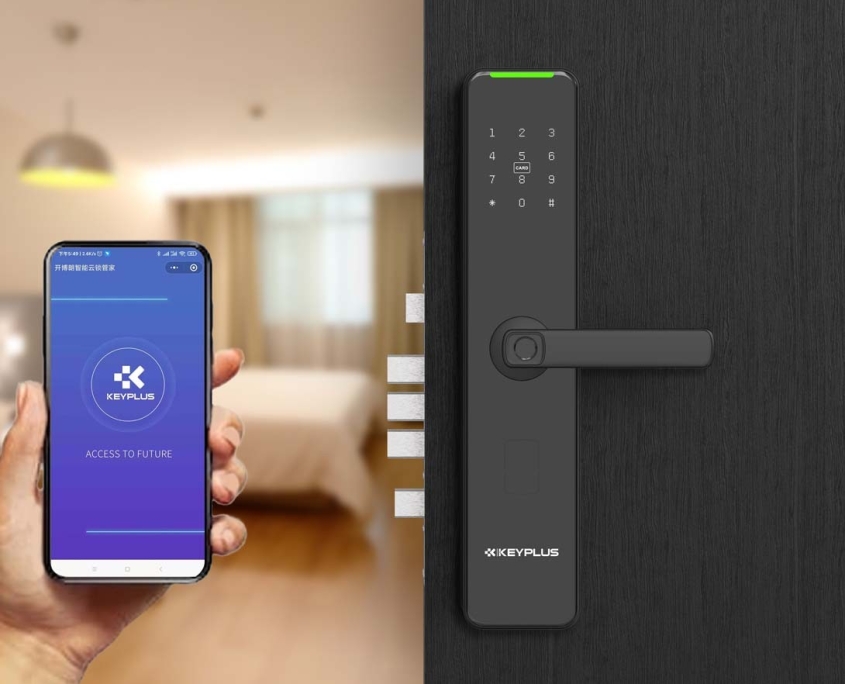
3. How to Open a Smart Lock with a Dead Battery
If your smart lock dies, try these steps:
Step 1: Check for a Key Override
-
Look for a small keyhole (often hidden under a cover).
-
Use the backup key (always keep one in a safe place!).
Step 2: Use an External Power Source
-
Some smart locks have contacts for a 9V battery or USB power bank.
-
Touch the battery terminals to the lock’s connectors to provide temporary power.
Step 3: Manually Rotate the Deadbolt
-
Certain models allow you to insert a tool (like a flathead screwdriver) to turn the bolt manually.
Step 4: Contact Customer Support or a Locksmith
-
If all else fails, call the manufacturer’s support line or a professional locksmith.
4. How to Prevent a Smart Lock Battery Failure
Avoid emergencies with these best practices:
A. Regularly Check Battery Levels
-
Monitor battery status via the app (if available).
-
Replace batteries proactively (don’t wait for warnings).
B. Use High-Quality Batteries
-
Lithium batteries last longer than alkaline in extreme temperatures.
-
Avoid cheap, off-brand batteries that may leak or die prematurely.
C. Keep a Backup Key Off-Site
-
Leave a spare key with a trusted neighbor or in a secure lockbox.
D. Install a Secondary Entry Method
-
If your smart lock is the only way in, consider adding a keypad or fingerprint lock as a backup.
5. Are Smart Locks Reliable Enough?
While battery failure is a concern, modern smart locks are designed with redundancies to prevent lockouts. The key takeaways:
Most smart locks warn you before dying
Backup entry methods (keys, external power) are common
Proactive maintenance prevents most issues
If you follow basic precautions, a dead battery should not leave you stranded outside your home.
Final Thoughts
Smart locks are convenient and secure—but like any electronic device, they depend on power. By understanding how they handle battery failure and preparing accordingly, you can enjoy keyless entry without fear of getting locked out.
Have you ever experienced a dead smart lock battery? What backup method saved you? Share your thoughts in the comments!
Related Blog
 https://www.keyplusystem.com/wp-content/uploads/2026/10/image-20261010-080119085.png
1024
1536
Wu, Wendy
/wp-content/uploads/2023/05/logo.png
Wu, Wendy2026-10-10 06:01:302026-10-10 06:01:31Driving Hotel Efficiency with Advanced Digital Door Locks: The Ultimate B2B Guide
https://www.keyplusystem.com/wp-content/uploads/2026/10/image-20261010-080119085.png
1024
1536
Wu, Wendy
/wp-content/uploads/2023/05/logo.png
Wu, Wendy2026-10-10 06:01:302026-10-10 06:01:31Driving Hotel Efficiency with Advanced Digital Door Locks: The Ultimate B2B Guide https://www.keyplusystem.com/wp-content/uploads/2026/10/image-20261010-000134148.png
1024
1536
Wu, Wendy
/wp-content/uploads/2023/05/logo.png
Wu, Wendy2026-10-09 22:01:442026-10-09 22:01:46Revolutionizing Hotel Security: RFID Key Cards and AIoT Smart Lock Solutions by KEYPLUS
https://www.keyplusystem.com/wp-content/uploads/2026/10/image-20261010-000134148.png
1024
1536
Wu, Wendy
/wp-content/uploads/2023/05/logo.png
Wu, Wendy2026-10-09 22:01:442026-10-09 22:01:46Revolutionizing Hotel Security: RFID Key Cards and AIoT Smart Lock Solutions by KEYPLUS https://www.keyplusystem.com/wp-content/uploads/2026/10/image-20261009-160126393.png
1024
1536
Wu, Wendy
/wp-content/uploads/2023/05/logo.png
Wu, Wendy2026-10-09 14:01:362026-10-09 14:01:38The Future of Hospitality: Wireless Hotel Lock Systems Powered by KEYPLUS
https://www.keyplusystem.com/wp-content/uploads/2026/10/image-20261009-160126393.png
1024
1536
Wu, Wendy
/wp-content/uploads/2023/05/logo.png
Wu, Wendy2026-10-09 14:01:362026-10-09 14:01:38The Future of Hospitality: Wireless Hotel Lock Systems Powered by KEYPLUS https://www.keyplusystem.com/wp-content/uploads/2026/10/image-20261009-080202455.png
1024
1536
Wu, Wendy
/wp-content/uploads/2023/05/logo.png
Wu, Wendy2026-10-09 06:02:152026-10-09 06:02:17Revolutionizing Hotel Security: The Future of Smart Locks for Hospitality Spaces
https://www.keyplusystem.com/wp-content/uploads/2026/10/image-20261009-080202455.png
1024
1536
Wu, Wendy
/wp-content/uploads/2023/05/logo.png
Wu, Wendy2026-10-09 06:02:152026-10-09 06:02:17Revolutionizing Hotel Security: The Future of Smart Locks for Hospitality Spaces https://www.keyplusystem.com/wp-content/uploads/2026/10/image-20261009-000116876.png
1024
1536
Wu, Wendy
/wp-content/uploads/2023/05/logo.png
Wu, Wendy2026-10-08 22:01:272026-10-08 22:01:29Revolutionizing Hotel Room Security: How Smart Locks Enhance Guest Safety and Operational Efficiency
https://www.keyplusystem.com/wp-content/uploads/2026/10/image-20261009-000116876.png
1024
1536
Wu, Wendy
/wp-content/uploads/2023/05/logo.png
Wu, Wendy2026-10-08 22:01:272026-10-08 22:01:29Revolutionizing Hotel Room Security: How Smart Locks Enhance Guest Safety and Operational Efficiency https://www.keyplusystem.com/wp-content/uploads/2026/10/image-20261008-080144553.png
1024
1536
Wu, Wendy
/wp-content/uploads/2023/05/logo.png
Wu, Wendy2026-10-08 06:01:552026-10-08 06:01:57Why Portable Locks are a Game-Changer for Modern Hotel Room Security
https://www.keyplusystem.com/wp-content/uploads/2026/10/image-20261008-080144553.png
1024
1536
Wu, Wendy
/wp-content/uploads/2023/05/logo.png
Wu, Wendy2026-10-08 06:01:552026-10-08 06:01:57Why Portable Locks are a Game-Changer for Modern Hotel Room Security
