
Wireless Door Lock Solutions for Smart Buyers
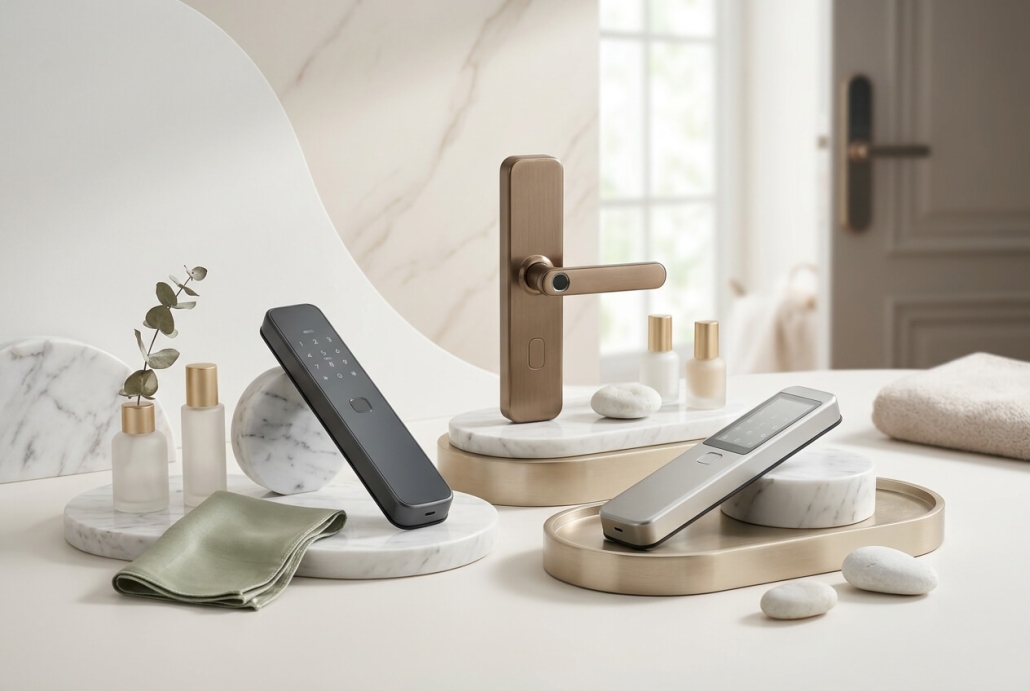
The global smart lock market is projected to reach $8.13 billion by 2026, highlighting significant opportunities for innovation and growth (Fortune Business Insights, 2023). Wireless door locks, central to this development, enable effortless access control and enhanced security across diverse settings like residential properties, hotels, and rental units. For B2B buyers, choosing the right supplier in this expansive market involves evaluating product features, compatibility, OEM capabilities, and after-sales support.
About Wireless Door Lock: Market Demand and Application Trends
The demand for wireless door locks is steadily increasing as smart home penetration is expected to surpass 60% in developed markets by 2026 (Statista, 2024). Likewise, business sectors such as hospitality and rental management are transforming their strategies to include technology-driven solutions. Innovative features like remote access and temporary PIN assignments enable seamless operations and heightened security in apartments or hotel facilities. Our company, KEYPLUS, excels in providing customized smart lock solutions that integrate easily with existing applications.
Product Features and Supplier Evaluation Criteria
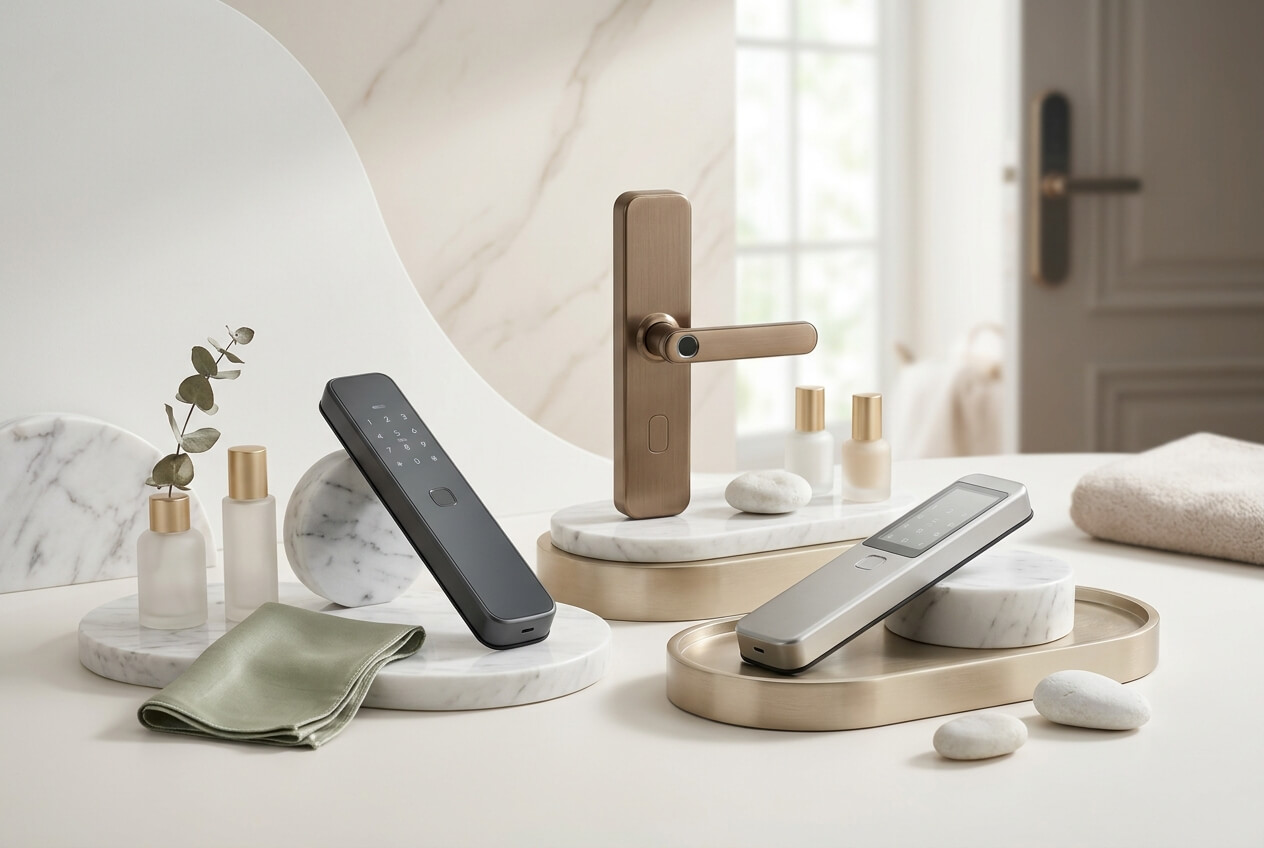
B2B buyers prioritize app integration and remote access features in smart locks, with 73% of buyers emphasizing these aspects (McKinsey, 2023). Features like fingerprint unlock, face recognition, and TTLock or Tuya integration are critical when selecting a supplier. Our company’s products offer robust installation compatibility, ensuring smooth deployments across varied environments. Additionally, our adherence to quality assurance, supported by standards like ANSI/BHMA Grade 1 certification, guarantees reliability and security.
Compliance, Standards, and Technical Considerations
Key sourcing concerns for smart locks include certification criteria such as CE, FCC, and RoHS compliance. Buyers must consider these standards for ensuring quality and performance consistency. Moreover, door type compatibility, battery safety, and app ecosystem robustness are crucial parameters influencing purchase decisions. Our products not only meet industry standards but also provide strong logistical and documentation support for global distribution.
Use-Case Selection and Implementation
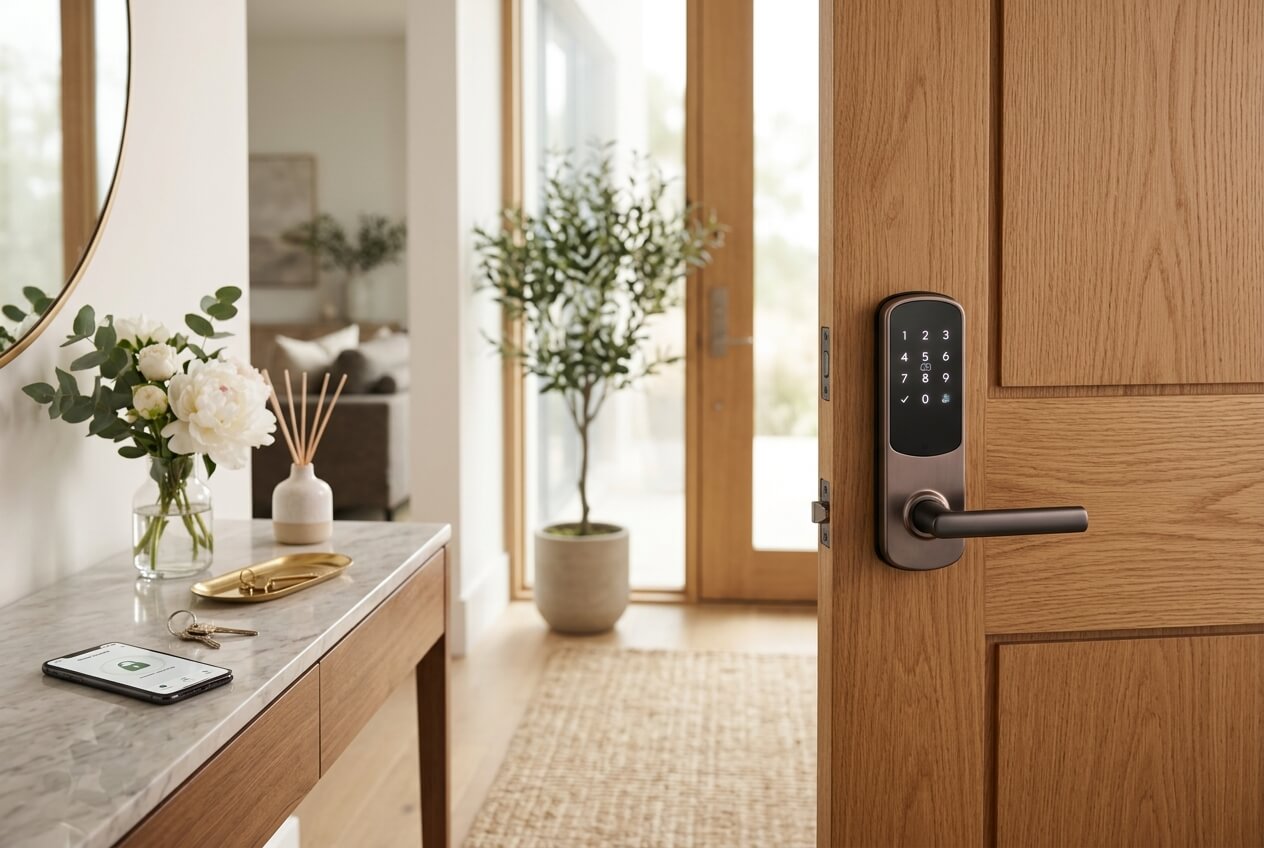
Choosing the right smart lock requires understanding specific use cases, whether residential, hotel, or rental. Considerations such as door type, installation environment, software integration, and user management options are vital. Our versatile wireless solutions cater to varied demands, with specialized approaches for project contractors and hospitality professionals.
Sourcing Strategy and Long-Term Partnership Value
For importers and distributors, strategic sourcing involves evaluating OEM/ODM capabilities and long-term partnership benefits. Our business model supports flexible customization, low MOQ, and efficient lead times, aligning with global supply chain demands. Making informed partnership choices can optimize operational efficiency and product lifecycle management.
Frequently Asked Questions
Are wireless door locks safe?
Wireless door locks are generally safe. They use encryption and multiple authentication methods to protect access. According to BHMA (2023), standards like ANSI/BHMA ensure product reliability. When choosing locks, evaluate encryption protocols and security certifications.
What is the best wireless door lock?
The best wireless door lock depends on application needs. Features like app control, remote access, and integration are significant. McKinsey notes 73% of buyers prioritize these for efficiency and convenience. Determine specific needs for a tailored solution.
What are the disadvantages of keyless door locks?
Keyless locks may face challenges like battery dependency or technological malfunctions. Feature limitations vary by product. Evaluate supplier support and compatibility to mitigate these issues effectively.
What’s the difference between Bluetooth and Wi-Fi door locks?
Bluetooth locks offer local control; Wi-Fi locks enable remote access. MarketsandMarkets (2023) notes a CAGR of 18.4%, driven by features preference. Assess functional needs and compatibility when choosing.
Smart locks for home
Smart locks for homes enhance convenience and security. Statista (2024) projects increased adoption in smart homes. Choose products offering remote access and app integration for added convenience.
Best smart locks
The best smart locks provide robust security and app integration. Fortune Business Insights (2023) highlights market growth, driven by these features. Align with trusted suppliers for quality assurance.

