
Keyless Entry Door Lock Trends for 2024 | KEYPLUS
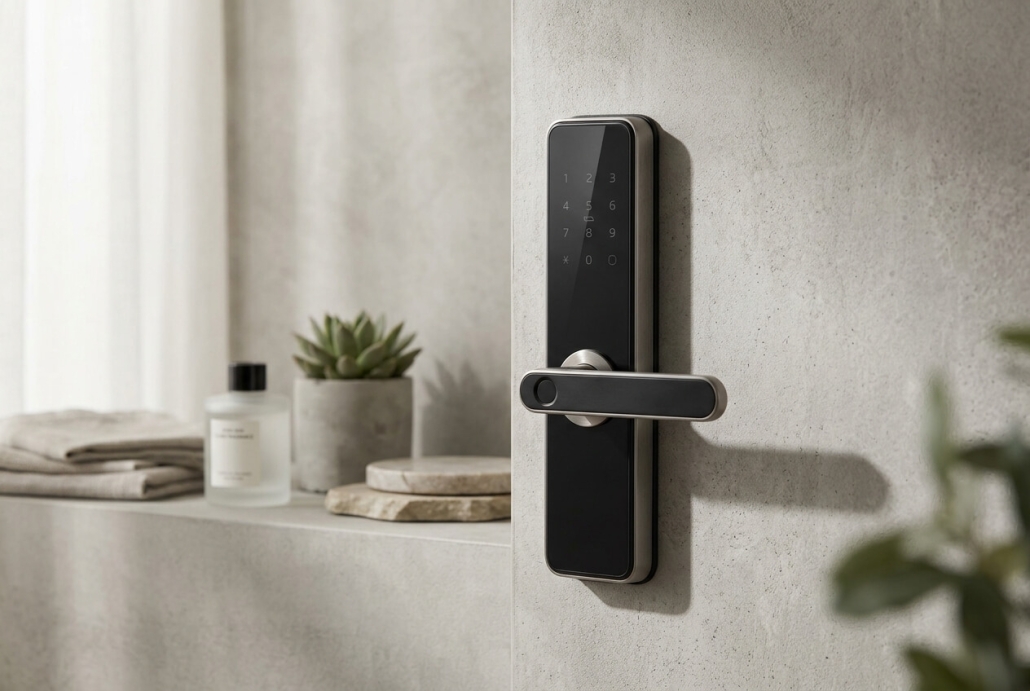
The demand for keyless entry door locks continues to surge as security and convenience take center stage in both residential and commercial spaces. According to Fortune Business Insights, the global smart lock market is projected to reach $8.13 billion by 2026. This growth reflects the increasing adoption of smart home technologies, which Statista predicts will penetrate over 60% of developed markets by 2026.
Growing Market Demand in Smart Lock Applications
Smart locks have become essential in various applications, from residential homes to hotel environments. These devices offer enhanced security features such as biometric lock and fingerprint door lock technology. This innovation particularly benefits apartment and hotel access control systems that require flexible and secure access solutions. In addition, as 73% of B2B buyers prioritize app integration and remote access (McKinsey, 2023), these features are becoming standard in new smart lock designs.
Key Product Features and Supplier Evaluation Factors
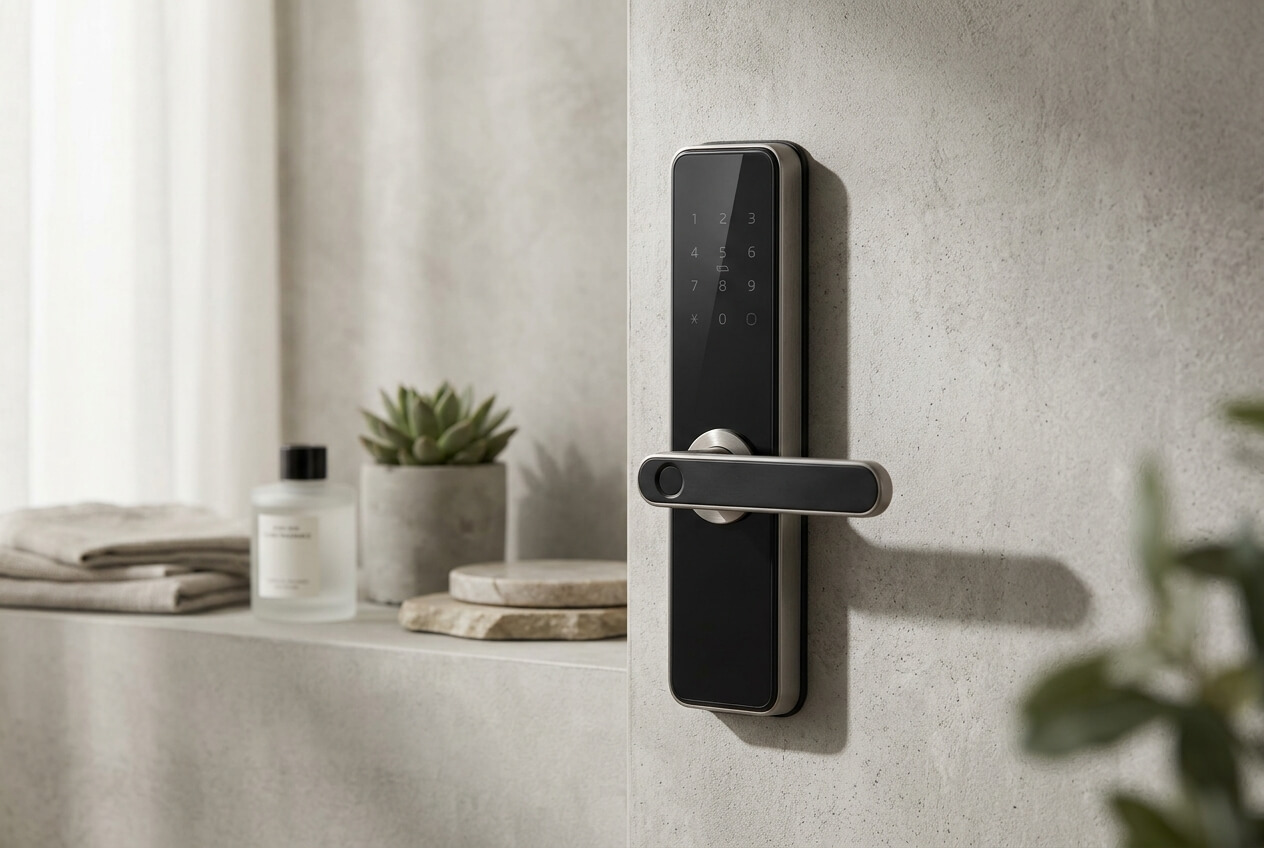
When selecting a smart lock manufacturer, buyers should assess several critical features. The ability to support Tuya or TTLock integration is increasingly important for compatibility with existing smart home ecosystems. Moreover, suppliers should provide options for RFID card access, biometric unlocking methods, and mechanical key backups, ensuring comprehensive usability. Meanwhile, ANSI/BHMA Grade 1 certification remains crucial for 68% of commercial projects (BHMA, 2023), indicating the importance of certified reliability.
Compliance and Technical Considerations
Compliance with CE, FCC, and RoHS standards is non-negotiable for importers and distributors. These certifications ensure that smart locks meet safety and environmental regulations, thereby facilitating smoother market entry. Additionally, product compatibility with different door types and reliable battery life are essential technical factors to consider during procurement. Companies like KEYPLUS that excel in these areas effectively support long-term partnerships with their clients.
Use-Case Selection and Practical Implementation
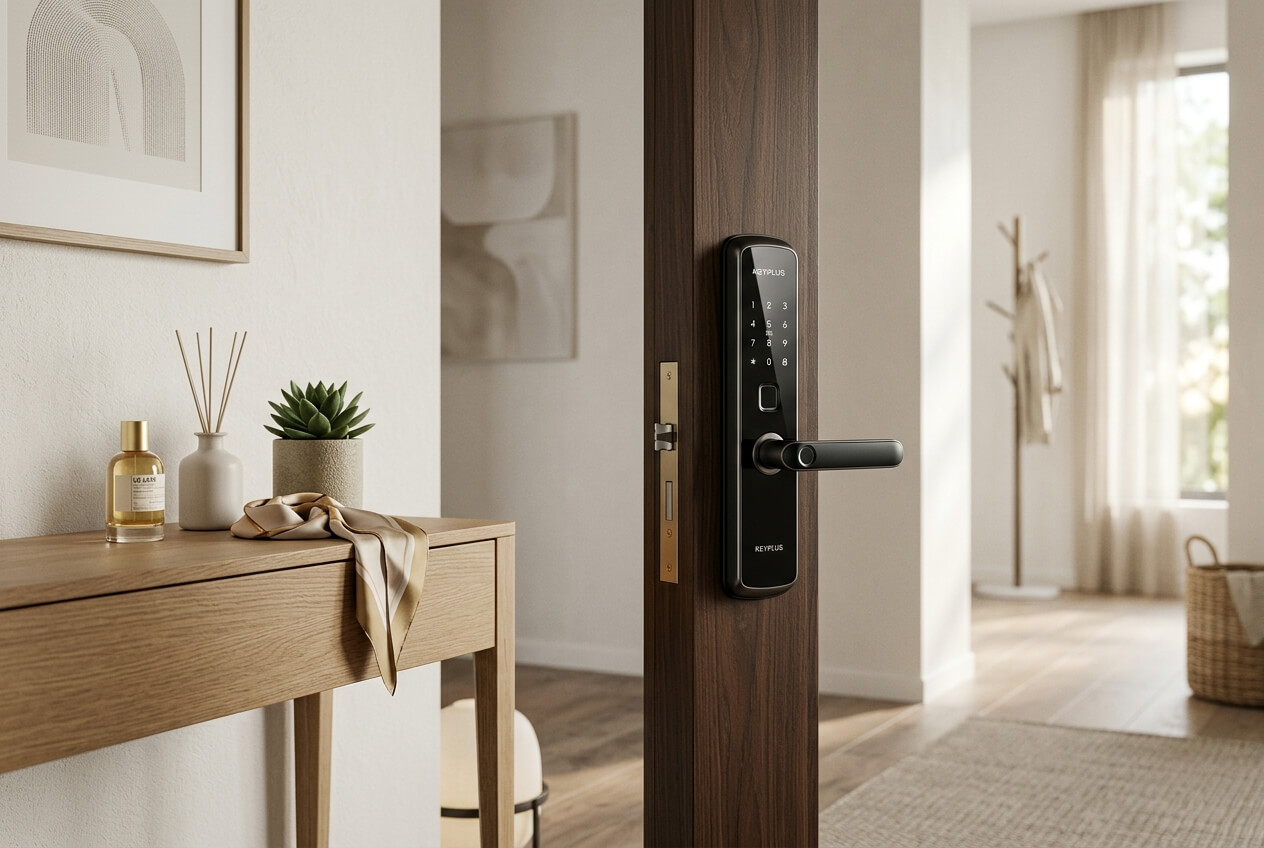
Choosing the right smart lock solution involves understanding the specific use-case requirements, whether for residential, rental, or hotel environments. For instance, TTLock smart locks are well-suited to hotel projects due to their robust access management capabilities. Similarly, Tuya smart locks offer superior adaptability for residential use, integrating seamlessly with broader smart home systems and enhancing user experience through app-controlled functionalities.
Strategic Sourcing and OEM/ODM Partnerships
For importers and project buyers, strategic sourcing involves aligning with partners capable of offering OEM/ODM services with competitive minimum order quantities (MOQs) and consistent lead times. Establishing partnerships with experienced manufacturers like KEYPLUS that provide comprehensive project documentation and after-sales support can significantly reduce procurement risks and enhance project outcomes.
keyless entry door lock: Frequently Asked Questions
What is a good keyless door lock?
A good keyless door lock should offer secure access control through options like biometric fingerprint locks or TTLock integration. According to MarketsandMarkets (2023), the market’s CAGR of 18.4% signifies the growing reliability and sophistication of these products. Suppliers with ANSI/BHMA Grade 1 certifications are especially recommended for their proven security standards.
Are keyless door locks secure?
Keyless door locks enhance security through advanced technologies like face and fingerprint recognition. Fortune Business Insights (2023) underscores that secure access management is crucial in B2B applications. These locks also offer remote access features, enabling real-time monitoring and administration through apps, thus strengthening security.
What are the disadvantages of keypad door locks?
Keypad door locks, while convenient, may face issues such as battery dependency or vulnerability to hacking. Therefore, it’s important to select models with robust security features like ANSI/BHMA Grade 1 certification. Tuya and TTLock systems often provide encrypted data transmission, mitigating these risks.
What are the disadvantages of keyless door locks?
Keyless door locks can be costly and may require regular software updates. McKinsey (2023) notes that security patches are critical, particularly for remotely accessible devices. Buyers should ensure their suppliers offer frequent software updates and responsive technical support.
Keyless Entry door lock with Handle and Deadbolt
This type of lock combines the traditional security of a deadbolt with modern keyless convenience. MarketsandMarkets (2023) reports robust growth in smart lock adoption, driven by products offering such diversified features.
Schlage keyless entry door locks
Schlage offers a variety of keyless entry door locks known for their reliability and ease of use. These locks are ideal for residential and commercial applications, supporting technology like app control and fingerprint unlocking.

