
Is a Fingerprint Safer Than a Password?
In today’s digital world, security is a top priority. We use passwords to protect our emails, bank accounts, and social media profiles. But passwords can be forgotten, stolen, or hacked. As a result, many companies and devices now offer fingerprint recognition as an alternative. But is a fingerprint really safer than a password? Let’s explore the pros and cons of each to find out.
The Problem with Passwords
Passwords have been the standard security method for decades, but they have several weaknesses:
-
Weak or Repeated Passwords – Many people use simple passwords like “123456” or “password,” which are easy to guess. Others reuse the same password across multiple sites, meaning if one account is hacked, others are at risk.
-
Phishing Attacks – Hackers trick users into revealing passwords through fake emails or websites.
-
Brute Force Attacks – Automated programs can try thousands of password combinations until they find the right one.
-
Human Error – People forget passwords, write them down, or share them with others, making accounts less secure.
Because of these issues, security experts have been looking for better alternatives—like biometrics (fingerprints, facial recognition, etc.).
How Fingerprint Authentication Works
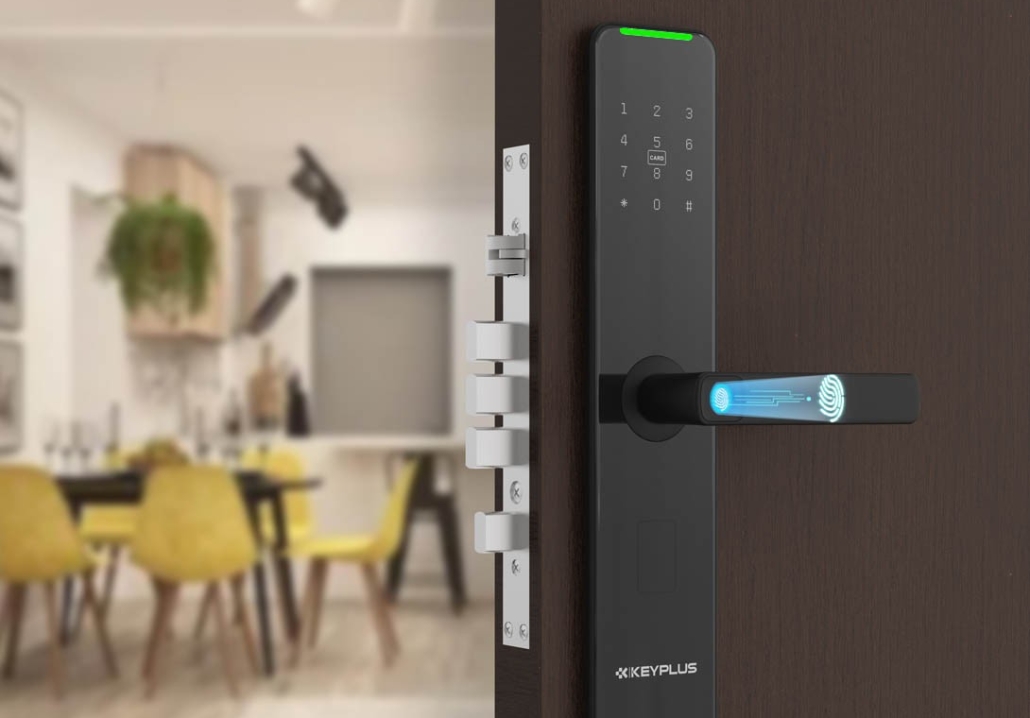
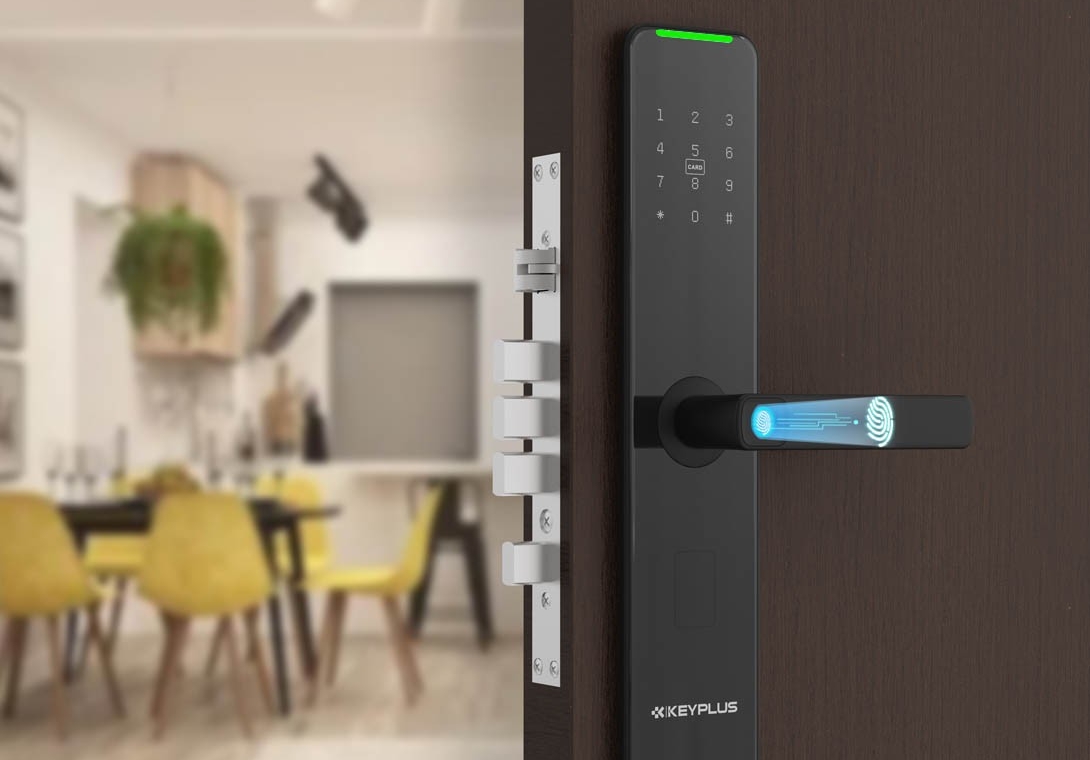
Fingerprint scanners use unique patterns on your fingertips to verify your identity. Here’s how it usually works:
-
Scanning – When you register your fingerprint, the scanner captures an image of your fingerprint’s ridges and valleys.
-
Storing Data – Instead of saving an actual image, the system converts your fingerprint into a mathematical template (a digital representation).
-
Matching – When you try to unlock a device or log in, the scanner compares your fingerprint to the stored template. If they match, access is granted.
Unlike passwords, fingerprints are unique to each person, making them harder to fake.
Advantages of Fingerprints Over Passwords
1. Harder to Steal or Guess
-
A hacker can guess or steal a password, but stealing someone’s fingerprint is much harder.
-
Unlike passwords, fingerprints can’t be written down or shared accidentally.
2. Convenience
-
No need to remember complex passwords—just touch a sensor.
-
Faster than typing a password, especially on mobile devices.
3. Unique to Each Person
-
Even identical twins have different fingerprints, making them a highly secure identifier.
4. Difficult to Replicate (But Not Impossible)
-
While high-quality fake fingerprints can sometimes fool scanners, it’s much harder than cracking a weak password.
Risks of Fingerprint Authentication
Despite their advantages, fingerprints aren’t perfect. Here are some key risks:
1. Permanent and Unchangeable
-
If a hacker steals your password, you can change it. But if your fingerprint data is stolen, you can’t change your fingerprint.
-
Once compromised, fingerprint data could be used for unauthorized access indefinitely.
2. False Positives and False Negatives
-
Scanners can sometimes fail to recognize a legitimate fingerprint (false negative) or mistakenly accept a fake one (false positive).
-
Factors like dirt, moisture, or minor injuries can affect accuracy.
3. Privacy Concerns
-
Unlike passwords, biometric data is personal and linked directly to your body.
-
If a company’s fingerprint database is hacked, your biometric data could be exposed permanently.
4. Legal and Ethical Issues
-
In some cases, law enforcement can legally force you to unlock a device with your fingerprint (unlike a password, which you can refuse to provide under the Fifth Amendment in the U.S.).
Which Is Safer Overall?
The answer depends on how each method is used:
-
Fingerprints are better than weak or reused passwords – They provide stronger security for most people who struggle with password management.
-
Passwords are safer if used correctly – A long, unique, and randomly generated password (managed by a password manager) can be very secure.
-
Best practice: Use both (Multi-Factor Authentication – MFA) – Many security experts recommend combining something you know (password) with something you are (fingerprint) for the highest security.
Conclusion
Fingerprints offer convenience and stronger security than weak passwords, but they aren’t foolproof. The best approach is to use both a strong password and fingerprint authentication whenever possible. As technology evolves, hackers will find new ways to bypass security, so staying informed and using multiple layers of protection is the safest strategy.
Would you trust a fingerprint over a password? The choice depends on your needs—but in an ideal world, you shouldn’t have to choose just one.
Related Blog
 https://www.keyplusystem.com/wp-content/uploads/2026/10/image-20261010-080119085.png
1024
1536
Wu, Wendy
/wp-content/uploads/2023/05/logo.png
Wu, Wendy2026-10-10 06:01:302026-10-10 06:01:31Driving Hotel Efficiency with Advanced Digital Door Locks: The Ultimate B2B Guide
https://www.keyplusystem.com/wp-content/uploads/2026/10/image-20261010-080119085.png
1024
1536
Wu, Wendy
/wp-content/uploads/2023/05/logo.png
Wu, Wendy2026-10-10 06:01:302026-10-10 06:01:31Driving Hotel Efficiency with Advanced Digital Door Locks: The Ultimate B2B Guide https://www.keyplusystem.com/wp-content/uploads/2026/10/image-20261010-000134148.png
1024
1536
Wu, Wendy
/wp-content/uploads/2023/05/logo.png
Wu, Wendy2026-10-09 22:01:442026-10-09 22:01:46Revolutionizing Hotel Security: RFID Key Cards and AIoT Smart Lock Solutions by KEYPLUS
https://www.keyplusystem.com/wp-content/uploads/2026/10/image-20261010-000134148.png
1024
1536
Wu, Wendy
/wp-content/uploads/2023/05/logo.png
Wu, Wendy2026-10-09 22:01:442026-10-09 22:01:46Revolutionizing Hotel Security: RFID Key Cards and AIoT Smart Lock Solutions by KEYPLUS https://www.keyplusystem.com/wp-content/uploads/2026/10/image-20261009-160126393.png
1024
1536
Wu, Wendy
/wp-content/uploads/2023/05/logo.png
Wu, Wendy2026-10-09 14:01:362026-10-09 14:01:38The Future of Hospitality: Wireless Hotel Lock Systems Powered by KEYPLUS
https://www.keyplusystem.com/wp-content/uploads/2026/10/image-20261009-160126393.png
1024
1536
Wu, Wendy
/wp-content/uploads/2023/05/logo.png
Wu, Wendy2026-10-09 14:01:362026-10-09 14:01:38The Future of Hospitality: Wireless Hotel Lock Systems Powered by KEYPLUS https://www.keyplusystem.com/wp-content/uploads/2026/10/image-20261009-080202455.png
1024
1536
Wu, Wendy
/wp-content/uploads/2023/05/logo.png
Wu, Wendy2026-10-09 06:02:152026-10-09 06:02:17Revolutionizing Hotel Security: The Future of Smart Locks for Hospitality Spaces
https://www.keyplusystem.com/wp-content/uploads/2026/10/image-20261009-080202455.png
1024
1536
Wu, Wendy
/wp-content/uploads/2023/05/logo.png
Wu, Wendy2026-10-09 06:02:152026-10-09 06:02:17Revolutionizing Hotel Security: The Future of Smart Locks for Hospitality Spaces https://www.keyplusystem.com/wp-content/uploads/2026/10/image-20261009-000116876.png
1024
1536
Wu, Wendy
/wp-content/uploads/2023/05/logo.png
Wu, Wendy2026-10-08 22:01:272026-10-08 22:01:29Revolutionizing Hotel Room Security: How Smart Locks Enhance Guest Safety and Operational Efficiency
https://www.keyplusystem.com/wp-content/uploads/2026/10/image-20261009-000116876.png
1024
1536
Wu, Wendy
/wp-content/uploads/2023/05/logo.png
Wu, Wendy2026-10-08 22:01:272026-10-08 22:01:29Revolutionizing Hotel Room Security: How Smart Locks Enhance Guest Safety and Operational Efficiency https://www.keyplusystem.com/wp-content/uploads/2026/10/image-20261008-080144553.png
1024
1536
Wu, Wendy
/wp-content/uploads/2023/05/logo.png
Wu, Wendy2026-10-08 06:01:552026-10-08 06:01:57Why Portable Locks are a Game-Changer for Modern Hotel Room Security
https://www.keyplusystem.com/wp-content/uploads/2026/10/image-20261008-080144553.png
1024
1536
Wu, Wendy
/wp-content/uploads/2023/05/logo.png
Wu, Wendy2026-10-08 06:01:552026-10-08 06:01:57Why Portable Locks are a Game-Changer for Modern Hotel Room Security
