
Smart Door Lock Trends for 2026 | KEYPLUS
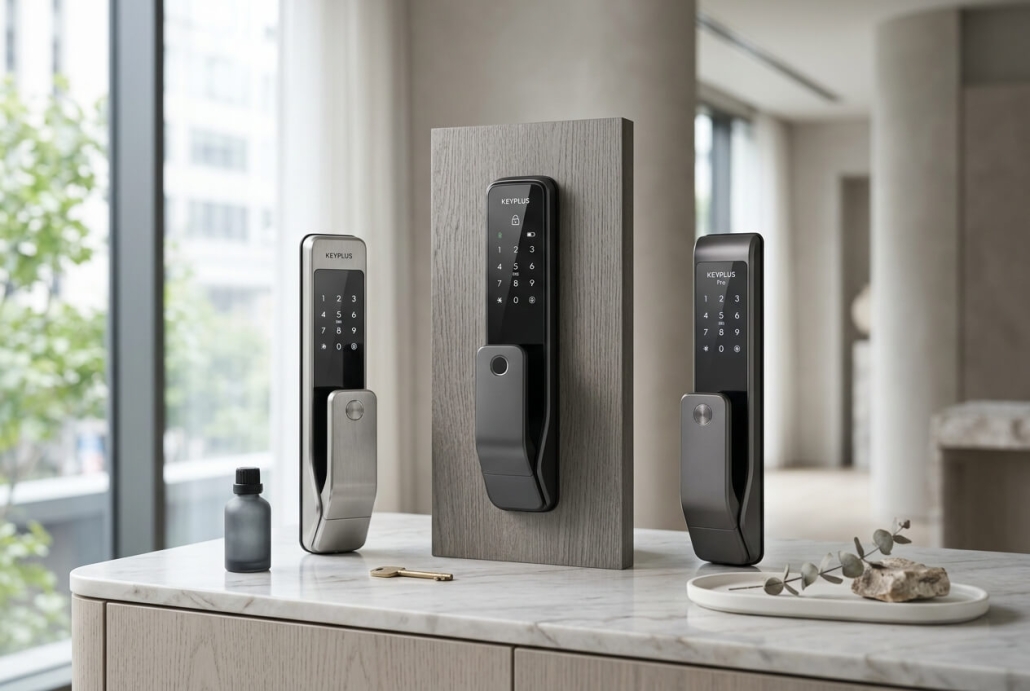
According to MarketsandMarkets (2024), the smart lock market is projected to grow at a compound annual growth rate (CAGR) of 18.5%, reaching a valuation of $5.98 billion by 2026. B2B buyers in industries such as hospitality, property management, and residential construction are increasingly prioritizing smart locks due to their ability to enhance security, streamline access control, and integrate seamlessly with smart home ecosystems. This article explores the key trends, product features, compliance considerations, and sourcing strategies for smart door locks in 2026.
Smart Lock Market Demand and Application Trends
The demand for smart locks continues to surge as property owners and managers seek modern access control solutions. Residential and rental properties are leading adoption, with 35% of new homes in North America incorporating smart security systems as of 2024 (Statista). Hospitality projects are also embracing smart locks, with hotels investing in RFID-enabled systems and mobile app integration to enhance guest convenience.
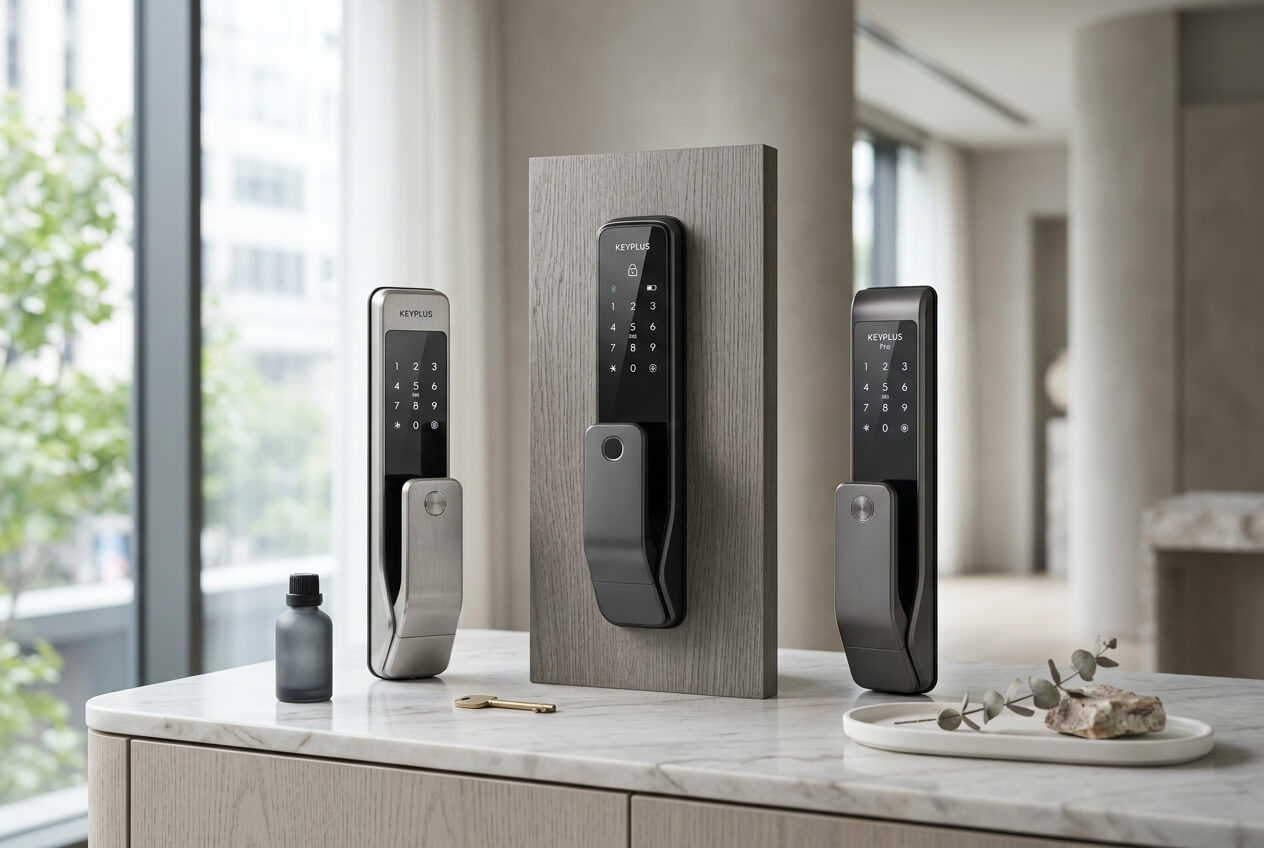
KEYPLUS, a leading manufacturer of smart locks, offers tailored solutions for residential, hotel, and apartment projects. Their product line includes biometric locks, TTLock-enabled devices, and Tuya-compatible systems designed for seamless integration into smart home networks. The ability to customize locks for specific door types and access scenarios makes KEYPLUS an ideal partner for project buyers seeking flexible solutions.
Key Features B2B Buyers Evaluate in Smart Lock Suppliers
When selecting a smart lock supplier, B2B buyers consider several critical factors. Unlock methods such as fingerprint recognition, face recognition, and RFID card access are increasingly popular, offering enhanced security and convenience. App integration with platforms like TTLock and Tuya allows for remote access, audit trails, and temporary PINs, which are essential for rental and hospitality applications.
As John Miller, a property technology consultant, notes: “Buyers are prioritizing suppliers that offer reliable app ecosystems and robust after-sales support. A smart lock is only as effective as the software that powers it.” Battery longevity, installation compatibility with mortise or deadbolt configurations, and certifications like CE, FCC, and RoHS are also key considerations. According to Deloitte (2023), 60% of distributors cite product stability and compliance as top factors influencing their sourcing decisions.
KEYPLUS stands out by offering OEM/ODM capabilities, ensuring that buyers can access customized solutions with stable quality and competitive lead times.
Compliance, Standards, and Technical Considerations
Compliance with international standards is crucial for B2B buyers importing smart locks. CE and FCC certifications ensure electromagnetic compatibility, while RoHS compliance guarantees environmentally safe materials. For projects requiring high durability, ANSI/BHMA grading and IP ratings are essential to validate performance under specific environmental conditions.
Smart locks also need to accommodate varying door types, from standard residential doors to fire-rated hotel doors. Importers must verify compatibility with door thickness, lock body designs, and gateway connectivity options (Wi-Fi, BLE, or Zigbee). KEYPLUS excels in delivering products that meet stringent compliance requirements and include detailed project documentation to simplify installation and integration.
Choosing the Right Smart Lock for Residential, Rental, or Hospitality Projects
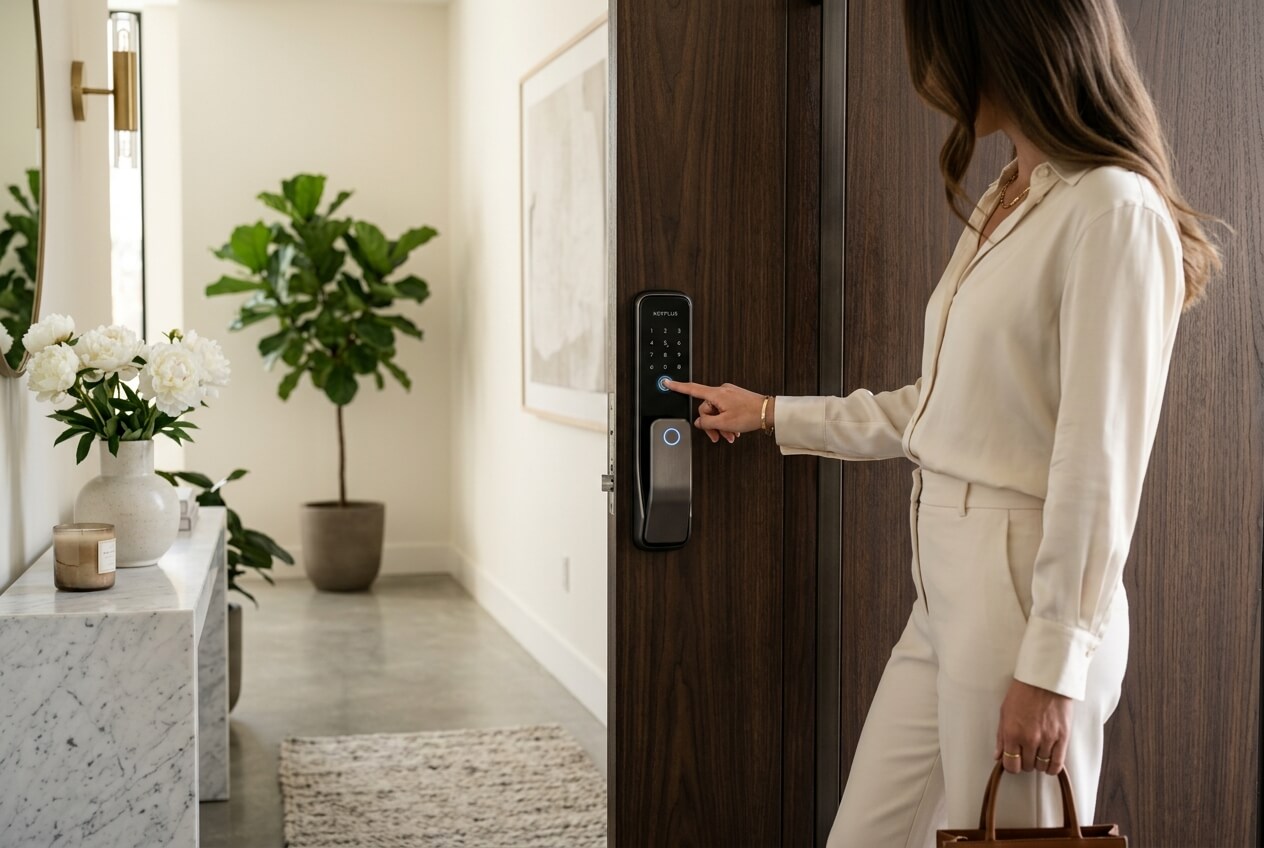
Selecting the right smart lock involves balancing technical features with project-specific requirements. For residential homes, fingerprint locks with mechanical key backups offer an ideal combination of security and convenience. Rental properties benefit from app-controlled locks with temporary PIN functionality, enabling seamless tenant turnover without compromising security.
Hospitality projects often prioritize RFID locks with mobile app integration to enhance guest experiences. According to Consumer Technology Association (2024), 45% of hotels implementing smart locks report improved customer satisfaction scores. KEYPLUS provides tailored solutions for all these scenarios, ensuring compatibility with varying door types and software ecosystems.
Future Outlook for Smart Lock Manufacturing and Strategic Sourcing
The future of smart lock technology lies in advanced biometric authentication, cloud-based access management, and integration with smart home platforms. Manufacturers are focusing on palm vein recognition and 3D face recognition to deliver higher levels of security. Meanwhile, distributors and importers are seeking suppliers with proven OEM/ODM capabilities to reduce project risks and accelerate time-to-market.
KEYPLUS continues to innovate in these areas, offering flexible sourcing options with low MOQs and competitive lead times. For buyers planning large-scale projects, partnering with established manufacturers ensures consistent quality and robust after-sales support to mitigate operational challenges.
Frequently Asked Questions
Best smart locks of 2026 lab tested and reviewed consumer?
Consumer Reports highlights biometric locks and app-controlled systems as top-rated solutions for 2026. According to MarketsandMarkets (2023), fingerprint locks account for 40% of consumer preferences due to their ease of use and enhanced security.
For B2B buyers, factors such as app compatibility, certification coverage, and installation support often outweigh consumer-focused features. Choosing a supplier like KEYPLUS ensures access to stable, compliant solutions tailored for residential, rental, and hospitality projects.
Best smart locks of 2026 lab tested and reviewed Amazon?
Amazon reviews often highlight features such as remote access, fingerprint unlock, and gateway connectivity. According to Statista (2024), products with app ecosystems like TTLock and Tuya receive higher ratings due to their seamless integration capabilities.
B2B buyers should focus on supplier reliability and certification standards when selecting smart locks in bulk. KEYPLUS offers CE, FCC, and RoHS-compliant products with customizable features for large-scale deployment.
Yale Assure Lock 2?
The Yale Assure Lock 2 is a popular choice in the residential market, featuring Bluetooth and Wi-Fi connectivity. Industry experts recommend comparing similar options with TTLock or Tuya compatibility for enhanced scalability.
KEYPLUS provides smart locks with comparable features, including robust app ecosystems and biometric unlock methods, making them ideal for project-based applications.
Best smart lock Europe?
European buyers often prioritize locks compliant with CE and RoHS standards. According to Fortune Business Insights (2023), demand for fingerprint and RFID-enabled locks is growing rapidly in the region.
KEYPLUS offers solutions tailored to European market needs, ensuring compliance and seamless integration into local smart home platforms.
Best smart door lock with handle?
Locks with integrated handles are ideal for residential and hospitality doors. Research from Consumer Technology Association (2024) shows increased demand for handle-equipped locks with biometric and temporary passcode features.
KEYPLUS manufactures handle-equipped smart locks with flexible customization options, ensuring compatibility with diverse door types and project requirements.
Best retrofit smart lock?
Retrofit smart locks are designed to enhance existing door hardware with modern access control features. TTLock and Tuya-enabled retrofit locks offer excellent scalability for rental and apartment projects.
KEYPLUS provides retrofit solutions with fingerprint unlock, app control, and gateway connectivity, ensuring seamless integration into existing setups.

