
What Locks Do Hotels Use? 4 Key Types of Door Locks for Modern Hotels
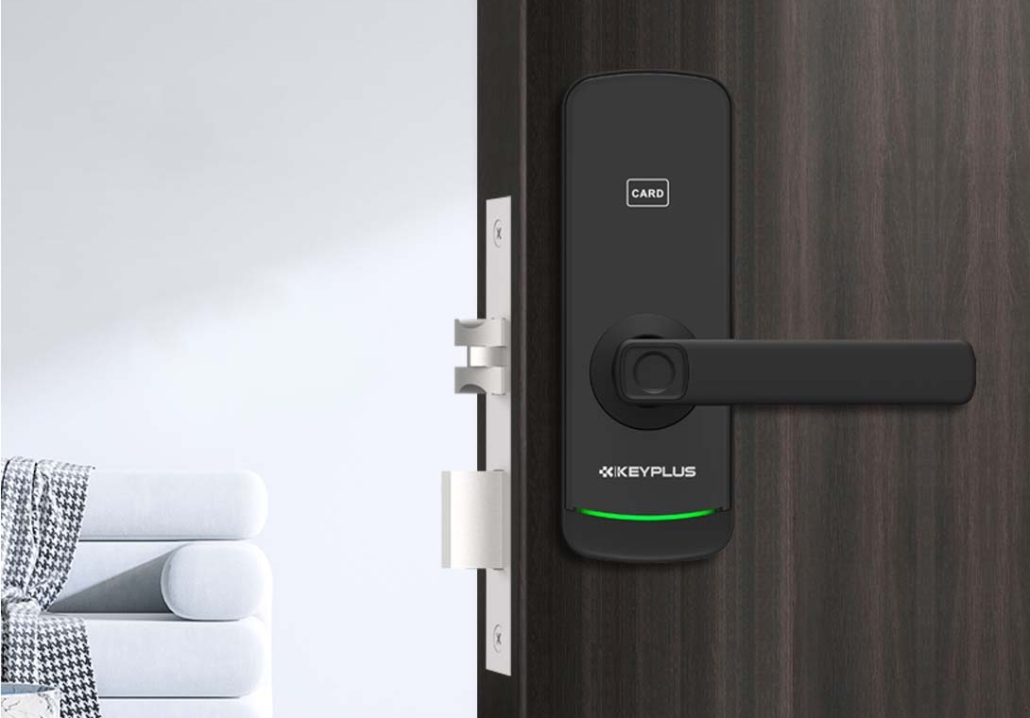
When staying in a hotel, guests expect their room to be a secure sanctuary. Behind the scenes, hotels rely on advanced locking systems to protect guests, manage access, and streamline operations. From traditional mechanical keys to cutting-edge biometric technology, the choice of door locks directly impacts safety, convenience, and even a hotel’s reputation.
In this article, we’ll break down the four most common types of hotel door locks used today, how they work, and why they matter for both guests and hoteliers.
1. RFID Keycard Locks: The Modern Standard
RFID (Radio-Frequency Identification) keycard locks dominate the hospitality industry due to their balance of security and convenience. These systems use encrypted radio waves to communicate between a keycard and the door lock, granting access only to authorized users.
How They Work
-
Guests receive a plastic keycard embedded with an RFID chip.
-
Holding the card near the lock’s reader triggers a wireless authentication process.
-
If approved, the lock disengages, allowing entry.
Key Benefits
-
Enhanced Security: RFID cards are harder to duplicate than traditional keys or magnetic-stripe cards.
-
Customizable Access: Hotels can program cards to expire after checkout or restrict access to specific areas (e.g., gyms or VIP lounges).
-
Audit Trails: Many systems log entry times and user data, aiding security investigations.
Drawbacks
-
Higher upfront costs compared to older systems.
-
Risk of card loss or deactivation if exposed to magnets or physical damage.
Best For: Mid-range to luxury hotels prioritizing security and modern guest experiences.
2. Magnetic Stripe Card Locks: The Budget-Friendly Option
Magnetic stripe locks were once the industry standard and remain popular in budget hotels and motels. These systems use cards with a magnetic strip encoded with access data.
How They Work
-
Guests swipe the card through a slot on the lock.
-
The magnetic strip’s data is read and verified by the lock’s internal system.
Key Benefits
-
Affordability: Lower installation and maintenance costs compared to RFID.
-
Simplicity: Easy for guests to use, requiring no technical knowledge.
Drawbacks
-
Security Risks: Magnetic strips are prone to demagnetization and can be easily cloned.
-
Limited Features: Lack advanced tracking or customization options found in RFID systems.
Best For: Smaller hotels or motels with tighter budgets.
3. Mobile Key/Bluetooth Locks: The Future of Contactless Access
Bluetooth-enabled locks are gaining traction in tech-forward hotels, allowing guests to unlock doors via smartphones. Brands like Lockin even integrate palm-vein recognition for ultra-secure, touchless entry.
How They Work
-
Guests receive a digital key via the hotel’s app.
-
The phone communicates with the lock via Bluetooth or NFC, triggering an unlock.
Key Benefits
-
Contactless Convenience: Reduces physical interactions—ideal for hygiene-conscious travelers.
-
Eco-Friendly: Eliminates plastic keycard waste.
-
Advanced Security: Encryption and biometric options (e.g., vein recognition) minimize hacking risks.
Drawbacks
-
Dependency on smartphones: Guests without compatible devices may struggle.
-
Higher costs for hotels to implement and maintain.
Best For: Upscale hotels aiming for a sleek, tech-driven guest experience.
4. Mechanical Key Locks: The Reliable Backup
Despite the rise of digital systems, many hotels still use traditional mechanical keys as a fail-safe. These locks require physical keys to engage a deadbolt or latch.
How They Work
-
A metal key is inserted into the lock cylinder and turned to retract the bolt.
Key Benefits
-
No Power Required: Operates during electrical outages.
-
Familiarity: Appeals to guests uncomfortable with technology.
Drawbacks
-
Security Vulnerabilities: Keys can be lost, stolen, or copied.
-
Limited Control: No way to track usage or revoke access remotely.
Best For: Historic hotels or as a secondary backup for electronic systems.
Additional Security Measures for Hotel Doors
While the primary lock is critical, hotels often add supplementary safeguards:
-
Chain Locks/Swing Bars: Allow guests to partially open doors for verification while preventing forced entry.
-
Portable Travel Locks: Devices like door jammers or alarms that guests can install themselves.
-
Deadbolts: Reinforce the door against physical attacks.
Choosing the Right Lock: Factors for Hotels
When selecting a locking system, hotels prioritize:
-
Security: Encryption standards and resistance to tampering (e.g., RFID’s anti-cloning features).
-
Durability: Weatherproofing for coastal or high-humidity environments.
-
Integration: Compatibility with existing management software and “smart hotel” ecosystems.
-
Cost: Balancing initial investment with long-term maintenance.
The Future of Hotel Locks
Emerging technologies are reshaping hotel security:
-
Biometric Systems: Palm-vein or fingerprint scanners offer near-instant, fraud-proof access.
-
AI-Powered Alerts: Smart locks with motion detection and real-time security notifications.
-
Universal “One-Card” Systems: A single keycard for room access, payments, and amenities.
Conclusion: Safety Starts at the Door
From RFID keycards to biometric marvels, hotel door locks are more than just hardware—they’re a critical part of the guest experience. While no system is 100% foolproof, combining advanced technology with practical safeguards (like chain locks) ensures maximum protection.
For travelers, always engage all available locks and consider packing a portable doorstop. For hoteliers, investing in modern, adaptable systems pays off in guest trust and operational efficiency.
Related Blog
 https://www.keyplusystem.com/wp-content/uploads/2026/06/image-20260630-085513.png
1024
1536
Wu, Wendy
/wp-content/uploads/2023/05/logo.png
Wu, Wendy2026-06-30 06:55:242026-06-30 06:55:26How Hotel Smart Locks Are Transforming Hospitality: A Comprehensive B2B Guide
https://www.keyplusystem.com/wp-content/uploads/2026/06/image-20260630-085513.png
1024
1536
Wu, Wendy
/wp-content/uploads/2023/05/logo.png
Wu, Wendy2026-06-30 06:55:242026-06-30 06:55:26How Hotel Smart Locks Are Transforming Hospitality: A Comprehensive B2B Guide https://www.keyplusystem.com/wp-content/uploads/2026/06/image-20260630-045651.png
1024
1536
Wu, Wendy
/wp-content/uploads/2023/05/logo.png
Wu, Wendy2026-06-30 02:57:022026-06-30 06:30:57Smart Wi-Fi Locks Redefined: KEYPLUS Solutions for Modern Enterprises
https://www.keyplusystem.com/wp-content/uploads/2026/06/image-20260630-045651.png
1024
1536
Wu, Wendy
/wp-content/uploads/2023/05/logo.png
Wu, Wendy2026-06-30 02:57:022026-06-30 06:30:57Smart Wi-Fi Locks Redefined: KEYPLUS Solutions for Modern Enterprises https://www.keyplusystem.com/wp-content/uploads/2026/06/image-20260630-032502.png
1024
1536
Wu, Wendy
/wp-content/uploads/2023/05/logo.png
Wu, Wendy2026-06-30 01:25:162026-06-30 05:50:57Smart Wi-Fi Locks: Integrating Advanced Access Control with Edge Computing Solutions
https://www.keyplusystem.com/wp-content/uploads/2026/06/image-20260630-032502.png
1024
1536
Wu, Wendy
/wp-content/uploads/2023/05/logo.png
Wu, Wendy2026-06-30 01:25:162026-06-30 05:50:57Smart Wi-Fi Locks: Integrating Advanced Access Control with Edge Computing Solutions https://www.keyplusystem.com/wp-content/uploads/2026/06/image-20260626-050047-1.png
1024
1536
Wu, Wendy
/wp-content/uploads/2023/05/logo.png
Wu, Wendy2026-06-26 09:54:342026-06-30 05:57:47Why B2B Smart Lock Solutions Are Redefining Access Control in 2026
https://www.keyplusystem.com/wp-content/uploads/2026/06/image-20260626-050047-1.png
1024
1536
Wu, Wendy
/wp-content/uploads/2023/05/logo.png
Wu, Wendy2026-06-26 09:54:342026-06-30 05:57:47Why B2B Smart Lock Solutions Are Redefining Access Control in 2026 https://www.keyplusystem.com/wp-content/uploads/2026/05/image-20260530-120210-1.png
1024
1536
Wu, Wendy
/wp-content/uploads/2023/05/logo.png
Wu, Wendy2026-05-30 04:02:212026-05-30 04:02:23Most Secure Smart Lock Trends for B2B Buyers | KEYPLUS
https://www.keyplusystem.com/wp-content/uploads/2026/05/image-20260530-120210-1.png
1024
1536
Wu, Wendy
/wp-content/uploads/2023/05/logo.png
Wu, Wendy2026-05-30 04:02:212026-05-30 04:02:23Most Secure Smart Lock Trends for B2B Buyers | KEYPLUS https://www.keyplusystem.com/wp-content/uploads/2026/05/image-20260530-060323.png
1024
1536
Wu, Wendy
/wp-content/uploads/2023/05/logo.png
Wu, Wendy2026-05-29 22:03:352026-05-29 22:03:37WiFi Door Knob Market Trends for 2024 Buyers
https://www.keyplusystem.com/wp-content/uploads/2026/05/image-20260530-060323.png
1024
1536
Wu, Wendy
/wp-content/uploads/2023/05/logo.png
Wu, Wendy2026-05-29 22:03:352026-05-29 22:03:37WiFi Door Knob Market Trends for 2024 Buyers
