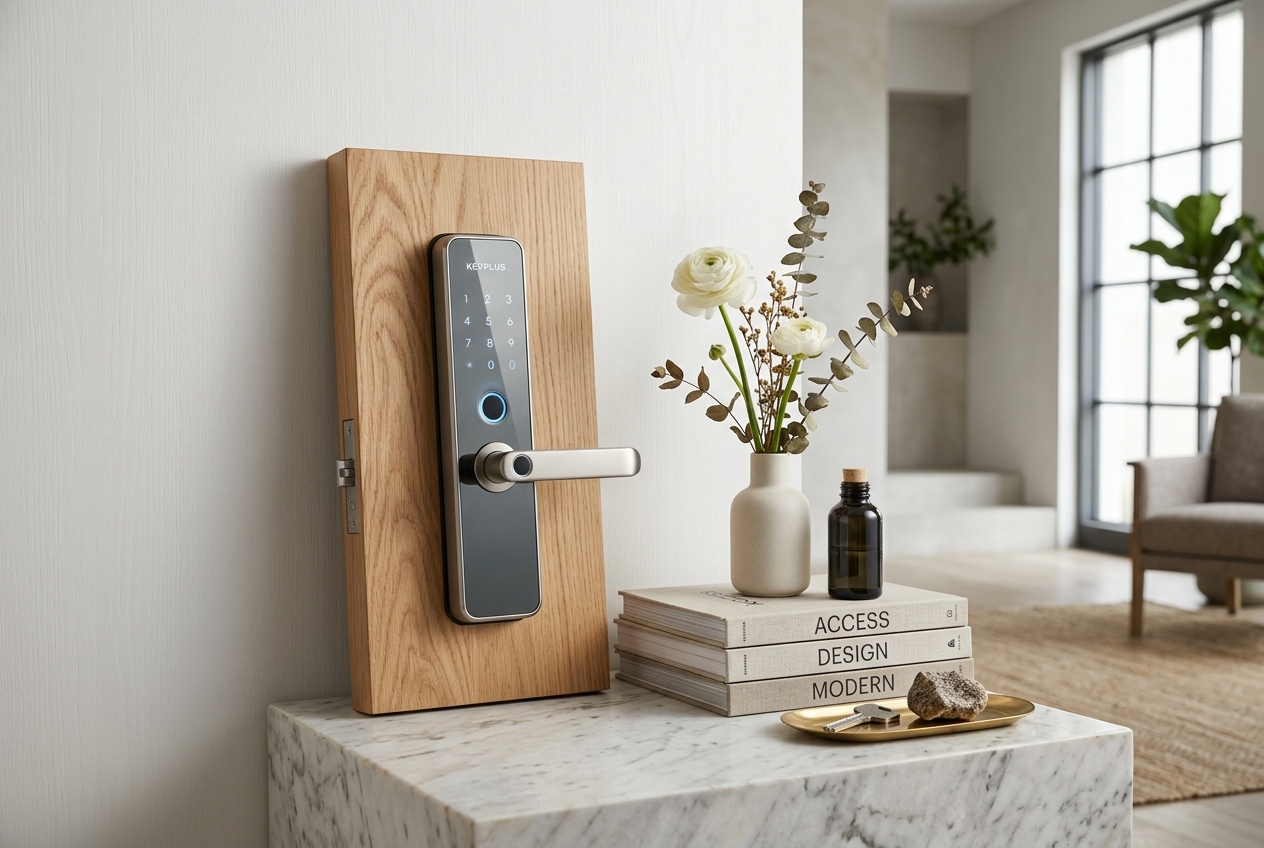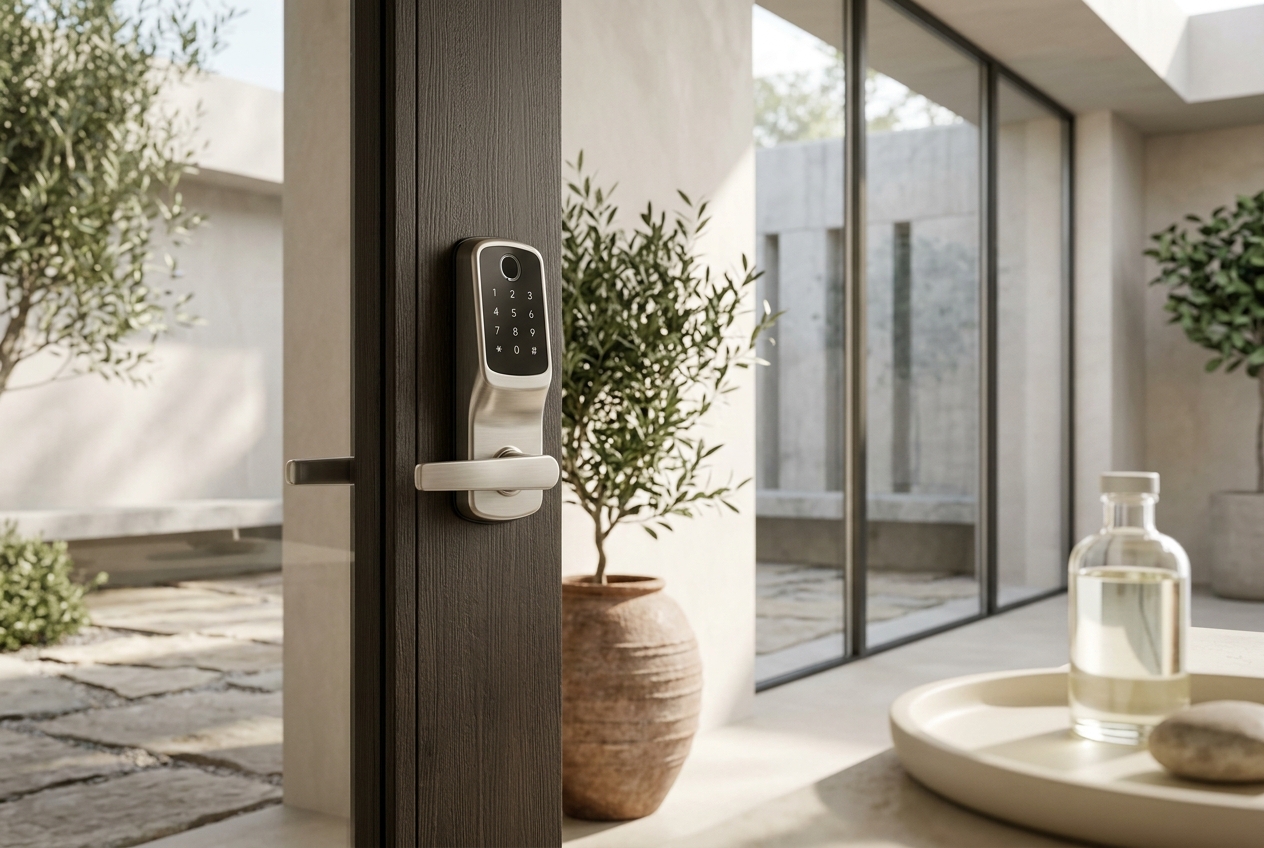
For procurement teams comparing the world’s leading smart lock companies, the challenge in 2025 is no longer whether to adopt digital locks but which manufacturer can support long-term projects reliably. The global smart locks market is projected to reach roughly USD 8–9 billion by 2028 with a CAGR of about 15–18%, driven by residential retrofits, rental automation, and hotel access control upgrades (Grand View Research, 2024; MarketsandMarkets, 2024). In this context, choosing a technically solid, export-ready partner such as a specialized KEYPLUS smart lock manufacturer has a direct impact on installation success, return rates, and recurring service revenue.

Smart Lock Market Demand and Application Trends Shaping the World’s Leading Companies

Smart, connected locks have moved from niche to mainstream in a few product cycles. According to Statista (2024), more than 400 million households are expected to use some form of smart home device by 2026, and smart door locks are consistently among the top three security devices in new installations. For B2B buyers, this demand is not just a volume story; it is about how intelligent locks fit into residential, rental, hospitality, and mixed-use projects.

In multi-family and apartment projects, property managers are under pressure to reduce key handover costs and lock replacement labor. Industry data suggests that self-guided touring and digital access can reduce leasing operation costs by 10–20% in larger portfolios (McKinsey, 2023). Smart locks with app control, TTLock or Tuya integration, and remote credential management allow managers to issue temporary PINs or RFID cards, track audit trails, and revoke access without rekeying doors. This is driving demand for robust mortise and latch-type smart locks specifically engineered for apartment and build-to-rent projects.

Hospitality is following a similar trajectory. The Consumer Technology Association notes that over 60% of new or renovated hotels in North America now include some form of mobile or digital key technology (CTA, 2023). Traditional hotel door lock systems based on MIFARE RFID cards are increasingly being upgraded to BLE-connected, app-enabled locks that integrate with PMS platforms and cloud-based access control. Leading smart lock companies competing globally in 2025–2026 are differentiating on their ability to support both legacy hotel lock protocols and next-generation mobile key solutions.

On the residential side, consumer expectations have shifted from simple keypad locks to intelligent locks with biometric authentication, Wi‑Fi or Zigbee connectivity, and compatibility with major ecosystems. Buyers now ask specifically for fingerprint door locks, 3D face recognition smart locks, and video doorbell integration. For example, Fortune Business Insights reports that biometric locks are one of the fastest-growing segments in electronic access control, with growth rates above 20% CAGR in some regions (Fortune Business Insights, 2024).

Manufacturers like KEYPLUS, which focus on smart lock R&D and export-ready production, have aligned their portfolios with these trends: residential deadbolt smart locks for the USA and Canada, mortise digital locks for Europe and Asia, and hotel door lock systems for hospitality and serviced apartments. Their ability to support both TTLock smart locks and Tuya smart locks in one product roadmap is increasingly attractive to distributors who serve multiple market segments from a single supplier base.

World’s Leading Smart Lock Companies in 2025–2026: An Ultimate B2B Guide for Buyers and Project Teams - illustration 1

What B2B Buyers Evaluate in Smart Lock Products and Manufacturers

When importers, distributors, and project contractors shortlist the world’s leading smart lock companies, the evaluation goes far beyond catalog design. The decision matrix typically covers unlock methods, app ecosystem, hardware architecture, certifications, and after-sales capability.

1. Unlock methods and user experience
Modern intelligent locks usually combine several methods: fingerprint, PIN code, RFID card, mechanical key, and app-based unlock via BLE, Wi‑Fi, or gateway. For higher-end projects, 3D face recognition or palm vein recognition is becoming more common in 2025, especially in premium apartments and office access control. Industry research indicates that more than 55% of smart lock users prefer biometric authentication as the primary method due to speed and convenience (Deloitte, 2023).

As Li Zhang, a senior security consultant focused on multi-family projects, states: “For portfolio owners, the winning smart lock is not the one with the most features on paper; it’s the one that tenants can operate intuitively, with minimal support tickets and near-zero lockouts.” That is why procurement teams test fingerprint recognition speed, false acceptance rate, and keypad reliability under real-world conditions, not just in lab specifications.

2. App ecosystem, TTLock / Tuya integration, and cloud access
For B2B buyers, the app and backend platform matter as much as the hardware. TTLock-based smart locks and Tuya smart locks offer mature SDKs and cloud APIs, which simplifies integration with rental management platforms, hotel PMS, or custom access control dashboards. According to MarketsandMarkets (2024), over 65% of new smart locks shipped in 2025 are expected to support some form of cloud or app-based remote access. Buyers increasingly ask whether the supplier can provide white-label apps, API documentation, and gateway options for remote unlocking and audit trail retrieval.

Manufacturers like KEYPLUS smart lock manufacturer that build around TTLock and Tuya ecosystems give distributors flexibility: they can sell ready-made app solutions or integrate locks into existing smart home platforms. This dual capability is especially important for system integrators who need to manage thousands of locks across multiple buildings.

3. Installation compatibility and mechanical design
Door compatibility is a frequent failure point in smart lock projects. B2B buyers evaluate whether a lock supports common door thicknesses (typically 35–60 mm for residential, thicker for fire doors), backset options (50/60/70 mm), and regional mortise standards. For the North American market, deadbolt smart locks that retrofit onto existing cylindrical bores are critical, whereas in Europe and Asia, full mortise smart locks are more common. Procurement teams also check handle handing, reversible latch design, and whether the lock supports both wooden and metal doors.

4. Quality stability, certifications, and field performance
Data from the field shows that smart lock return rates above 3–4% can quickly erode distributor margins once warranty logistics and on-site service are included. Leading companies keep RMA rates below 2% through lifecycle testing, salt-spray corrosion testing on external components, and battery endurance testing. Buyers increasingly request evidence of cycle testing (e.g., 100,000+ open/close cycles) and ingress protection such as IP54 or higher for outdoor smart locks.

5. After-sales support, firmware updates, and documentation
For connected locks, firmware and app updates are part of the product lifecycle. Importers and distributors look for clear upgrade processes, multilingual manuals, wiring diagrams (for hotel and access control models), and training materials. As Miguel Santos, a proptech solutions architect, notes: “When we compare smart lock companies, the deciding factor is often how fast they can respond to firmware issues and how well they document their SDKs, not just the ex-factory price.

KEYPLUS and similar export-focused manufacturers typically provide OEM/ODM services, customized logos, and tailored firmware, which is crucial for brands building their own smart lock lines in 2025–2026. This combination of hardware, software, and service capability is what separates leading smart lock companies from purely hardware-focused factories.

Compliance, Standards, and Technical Considerations When Sourcing Smart Locks

For cross-border buyers, compliance is not optional. Customs clearance, marketplace listing, and insurance coverage often depend on proper certifications and documentation. The world’s leading smart lock companies invest heavily in meeting these requirements across target regions.

1. Core certifications: CE, FCC, RoHS, and beyond
For shipments into the EU, CE marking and RoHS compliance are standard expectations. Smart locks with wireless connectivity must also satisfy RED (Radio Equipment Directive) requirements. For the US and Canada, FCC certification for RF modules is mandatory, and UL or ETL listings may be requested for certain commercial projects. According to BHMA/ANSI standards, mechanical performance for locks is graded (e.g., Grade 1, 2, 3), and many large construction projects specifically require ANSI/BHMA Grade 2 or better for entry doors.

Distributors should confirm that the manufacturer can provide complete test reports, declarations of conformity, and, where relevant, fire-rating documents for mortise lock bodies used in fire doors. Leading suppliers like KEYPLUS often maintain a library of CE, FCC, and RoHS reports for their main smart door lock series, simplifying compliance checks during sourcing.

2. App ecosystem, data security, and cloud hosting
As smart locks become more intelligent, data security moves up the priority list. Buyers increasingly ask about encryption protocols (e.g., AES-128 for communication between lock and app), server locations for cloud-hosted solutions, and user data handling. Some hospitality and enterprise projects require that access control data be hosted in specific regions. Working with TTLock, Tuya, or an equivalent platform gives buyers reassurance because these ecosystems are widely deployed and independently tested, but enterprise customers may still require additional security documentation.

3. Battery life, power management, and backup options
Battery performance is a practical concern. Industry benchmarks show that most BLE-based smart locks target 8–12 months of battery life under typical usage (10–15 operations per day) on 4x AA cells or a similar pack. Locks with Wi‑Fi built in will consume more power and may require more frequent battery changes or an external power supply. B2B buyers should verify low-voltage warning behavior, emergency power interfaces (e.g., USB-C or 9V terminal), and mechanical key backup. Stable power management directly affects maintenance costs across hundreds or thousands of installed units.

4. Door type compatibility and mechanical standards
Not every smart lock fits every door. When evaluating manufacturers, buyers should request detailed dimensional drawings, mortise cut-out diagrams, and sample kits for trial installations. For hotel door lock systems, compatibility with existing door lock mortises and card encoders is often a deciding factor in retrofit projects. For residential and rental properties, the ability to retrofit onto existing deadbolt or latch preparations can significantly reduce installation time and labor cost.

World’s Leading Smart Lock Companies in 2025–2026: An Ultimate B2B Guide for Buyers and Project Teams - illustration 2

Use-Case Selection and Implementation: Matching Smart Locks to Real Projects

Even among the world’s leading smart lock companies, no single product fits all use cases. B2B buyers need to map lock types, software platforms, and mechanical formats to specific project scenarios.

1. Residential and small rental properties
For standalone homes and small rentals, deadbolt smart locks or latch-type digital locks with keypad + fingerprint are common. Buyers typically prioritize easy DIY installation, app control via TTLock or Tuya, and basic remote access through a small gateway. Success metrics include reduced lockout incidents, fewer key handovers, and better guest experience for short-term rentals. A supplier like KEYPLUS smart lock manufacturer can provide OEM-branded residential locks tuned for these use cases, with low MOQs for new brands entering their market.

2. Multi-family, apartment, and build-to-rent projects
In larger apartment projects, centralized management is essential. Property managers need to assign and revoke access for residents, maintenance staff, and contractors. Here, mortise smart locks with RFID + PIN + app support and a cloud-based management platform are more suitable. Audit trail capabilities, batch credential issuance, and integration with property management systems become key requirements. Installation efficiency also matters: integrators often target a specific number of doors installed per day per technician, and lock designs that simplify door prep can significantly reduce project timelines.

3. Hospitality and serviced apartments
Hotels and serviced apartments typically require a hotel lock system with RFID card access, optional mobile key, elevator control, and energy-saving switches. Smart locks must integrate with PMS and channel managers to automate key issuance and late check-in. For these projects, buyers evaluate encoder software, card compatibility (MIFARE, Temic, etc.), and system reliability. Global data suggests that digital key adoption in hotels can improve guest satisfaction scores by 5–10 points on average (Deloitte, 2022).

4. Offices and small commercial access control
Office scenarios often combine smart locks with broader access control systems. Biometric locks with fingerprint or face recognition at main entrances, combined with RFID locks for internal doors, are common. Buyers look for audit trail, time zone control, and integration with HR or visitor management systems. Stability and uptime are critical, as lock failures directly impact business operations.

Across all these use cases, successful implementation depends on clear project planning: sample testing, pilot installations, firmware validation, and installer training. Export-focused manufacturers like KEYPLUS typically support this with documentation packs, online training, and flexible lead times. For distributors, this reduces early-stage risk and helps them scale their smart lock portfolio with confidence.

Sourcing Strategy, OEM/ODM, and Long-Term Partnership Value with Leading Smart Lock Companies

By 2025–2026, the smart lock category is crowded with brands, but only a subset of companies combine robust engineering, compliance, and OEM/ODM experience. For importers and distributors, the sourcing strategy should focus on long-term partnership value rather than short-term unit price.

1. Aligning product roadmap and market positioning
Leading smart lock companies work with partners to align product roadmaps with local market needs: ANSI/BHMA-compliant deadbolt smart locks for North America, slim mortise locks for Southeast Asia, or face recognition smart locks for premium markets. When evaluating a potential partner such as a KEYPLUS smart lock manufacturer, buyers should review the 18–24 month roadmap: upcoming models, planned certifications, and ecosystem integrations (TTLock, Tuya, Matter, etc.). This ensures that the distributor’s portfolio will remain competitive through 2026 and beyond.

2. OEM/ODM flexibility and branding
Many distributors and online brands require custom ID design, UI language packs, packaging, and app branding. An experienced ODM partner can adjust handle design, panel materials, and color finishes while maintaining core lock bodies and electronics. This reduces development time and certification costs. Typical MOQs for custom finishes may start from a few hundred sets, with lead times of 35–60 days depending on complexity.

3. Operational metrics: lead time, consistency, and support
From a business perspective, consistent lead time and low defect rates matter more than the lowest quote. Buyers should track on-time delivery rates, RMA percentages, and responsiveness of the technical team. According to industry benchmarks, reducing RMA from 4% to 2% can improve a distributor’s net margin on smart locks by 3–5 percentage points, once logistics and service costs are included.

4. Building a collaborative roadmap
The world’s leading smart lock companies treat distributors and project integrators as strategic partners. They co-develop features such as new biometric options, custom app flows for hotel check-in, or integration with local smart home platforms. For buyers planning to build a long-term smart lock line under their own brand, partnering with a technically capable manufacturer like KEYPLUS allows them to move faster, reduce engineering overhead, and respond to market trends such as biometric adoption and cloud-based access control.

As demand for intelligent locks accelerates into 2026, the distributors and project buyers who win will be those who select partners based not only on catalog breadth but on engineering strength, compliance readiness, and the ability to adapt. Choosing the right smart lock company today sets the foundation for scalable, low-friction projects over the next several product cycles.

Frequently Asked Questions

Which company is best for smart lock?

There is no single “best” smart lock company for every project; the right choice depends on your market, door standards, and software needs. According to industry data, the top tier of global smart lock companies in 2025 includes both large groups (such as ASSA ABLOY and Allegion) and specialized OEM/ODM manufacturers that focus on export-ready smart door lock solutions (Grand View Research, 2024). For example, large brands offer strong recognition and broad distribution, while specialized suppliers like KEYPLUS smart lock manufacturer focus on flexible OEM, TTLock/Tuya integration, and multi-scenario products for residential, apartment, and hotel use.

For distributors and importers, “best” usually means: low RMA rate (ideally <2%), complete certifications (CE, FCC, RoHS, and local requirements), stable firmware, and responsive technical support. Project buyers should also look at ecosystem fit: if your platform is built on TTLock or Tuya, working with a manufacturer that already has deep experience with those stacks will reduce integration risk. In practice, many successful portfolios combine one or two global brands with one agile OEM/ODM partner to balance brand pull, margin, and customization flexibility.

What is the smart lock trend in 2025?

The dominant smart lock trends in 2025 are biometric adoption, deeper platform integration, and scenario-based solutions for rental and hospitality. Industry research indicates that biometric-enabled locks (fingerprint, face recognition, or palm vein) are growing faster than keypad-only models, with some regions seeing >20% CAGR in biometric access control (Fortune Business Insights, 2024). As platforms like TTLock and Tuya mature, more smart locks ship with built-in support for remote access, gateways, and cloud APIs, enabling centralized management across hundreds or thousands of doors.

As Elena Wu, a proptech analyst, notes: “We’re seeing a shift from single-door gadgets to fleet-managed access control, where software and analytics are as important as the lock body.” For B2B buyers, this means prioritizing suppliers that can offer complete solutions: app ecosystem, admin dashboards, and integration documentation, not just hardware. Another clear trend is verticalization: specialized solutions for short-term rental, student housing, co-working, and hotels, each with tailored workflows such as automatic PIN provisioning or PMS integration. Companies like KEYPLUS that provide dedicated hotel locks, apartment locks, and residential smart locks on a shared platform are well positioned to serve these trends through 2026.

What is the highest rated smart lock?

“Highest rated” depends on the review source and region, but the products that consistently rank well combine reliable mechanics, intuitive apps, and strong certifications. Consumer review platforms and trade publications often highlight smart locks that meet ANSI/BHMA Grade 2 or higher for mechanical performance and hold CE/FCC certifications for electronics. Studies show that locks with fingerprint + keypad + app control and clear installation instructions tend to receive higher user ratings and lower return rates (Consumer Technology Association, 2023).

For B2B buyers, focusing solely on consumer ratings can be misleading. A lock that is popular in DIY retail may not be ideal for hotel or apartment projects. Instead, evaluate: mechanical grade (ANSI/BHMA or regional equivalent), IP rating for outdoor use, platform stability (TTLock/Tuya), and after-sales support. Many OEM/ODM manufacturers, including KEYPLUS smart lock manufacturer, produce models that perform at the same technical level as big retail brands but are sold under private labels. When you request samples, run your own tests: cycle testing on doors, battery endurance checks, and app usability evaluations with non-technical users to ensure the lock will perform well in your specific scenario.

What is the largest door lock company in the world?

ASSA ABLOY is widely recognized as one of the largest door lock and access solutions companies in the world by revenue, with a portfolio that includes mechanical locks, digital locks, and full access control systems (ASSA ABLOY Annual Report, 2023). Other major groups include Allegion and dormakaba, which also operate globally across residential, commercial, and institutional segments. These corporations own multiple brands and have strong distribution networks, extensive patent portfolios, and deep experience in standards such as ANSI/BHMA and EN door hardware norms.

However, when it comes to sourcing smart locks for private label or regional brands, many importers and distributors work with specialized manufacturers rather than directly with the largest groups. Companies like KEYPLUS focus on smart door lock R&D, OEM/ODM, and export support, providing flexibility in design, firmware customization, and branding. For a buyer, the “largest” company is not always the best operational fit; instead, consider whether the manufacturer can meet your MOQs, lead times, certification requirements, and roadmap for TTLock/Tuya or other ecosystem integrations.

Top 22 smart lock companies in global 2025 USA / list

Global rankings such as “Top 22 smart lock companies in 2025” typically include a mix of multinational groups, US-based brands, and Asian OEM/ODM manufacturers supplying both branded and private label products. Lists compiled by industry analysts and market research firms often highlight companies with strong sales in North America, Europe, and Asia, as well as those with significant patent activity and platform partnerships (Global Growth Insights, 2025). US-focused lists tend to feature brands that support ANSI/BHMA standards and North American deadbolt formats, while global lists include more mortise and hotel lock specialists.

For a practical sourcing strategy, treat these rankings as a starting point rather than a final answer. Shortlist companies that match your target formats: residential deadbolt smart locks for the USA, hotel door locks for hospitality, or apartment smart locks with TTLock or Tuya integration. Then evaluate each candidate on certifications (CE, FCC, RoHS, ANSI/BHMA), quality control processes, and OEM/ODM capabilities. Manufacturers like KEYPLUS smart lock manufacturer may not be household names to end-users but can be strategically important partners for distributors building their own brands in the US and global markets.

ASSA ABLOY and other leading smart lock companies: how should buyers compare them to OEM/ODM manufacturers?

ASSA ABLOY and similar global groups set a high benchmark for mechanical quality, certification coverage, and system-level access control solutions. Research from MarketsandMarkets notes that such multinational players hold a significant share of the electronic access control market due to their strong presence in commercial and institutional projects (MarketsandMarkets, 2024). These companies are ideal reference points for performance expectations, but they may not always be the most flexible choice for private label brands or smaller distributors.

When comparing ASSA ABLOY to OEM/ODM manufacturers like KEYPLUS smart lock manufacturer, focus on your business model: if you need deep integration with existing enterprise systems, global service networks, and standardized hardware, a major group may be appropriate. If you require custom ID design, branding, or rapid adaptation to TTLock/Tuya-based platforms, a specialized manufacturer will often respond faster and accept lower MOQs. A balanced portfolio might use ASSA ABLOY or similar brands for flagship commercial projects while relying on agile OEM/ODM suppliers for price-sensitive residential, rental, and online retail segments, ensuring both technical credibility and commercial flexibility.

The demand for smart locks is rapidly increasing, driven by advancements in technology and the growing need for enhanced security solutions. For businesses looking to source smart lock solutions, understanding the latest trends and innovations is crucial. As a leader in smart lock R&D and manufacturing, KEYPLUS offers comprehensive solutions tailored to various applications, including residential, hotel, and rental properties.

Market Demand and Application Trends in Smart Locks

Smart locks are becoming a staple in modern security systems, with the global market projected to grow significantly. According to Grand View Research, the market size is expected to reach USD 5.94 billion by 2027, driven by increasing adoption in residential and commercial sectors. KEYPLUS smart locks offer solutions that cater to these demands, integrating advanced features like fingerprint, RFID, and app control, ensuring compatibility with TTLock and Tuya platforms.

Discover the Future of Smart Locks: A Guide for B2B Buyers - illustration 1

Evaluating Smart Lock Features and Suppliers

B2B buyers must consider several criteria when selecting smart lock products and suppliers. Critical factors include unlock methods, compatibility with existing systems, and support for app integration. KEYPLUS provides extensive project support, ensuring their locks meet CE, FCC, and RoHS certification standards. With a focus on quality consistency and OEM/ODM customization, KEYPLUS stands out in the competitive landscape.

Compliance, Standards, and Technical Considerations

Compliance with industry standards is essential for importers and project buyers. Smart locks must adhere to regulations such as ANSI/BHMA for hardware quality and IP ratings for environmental protection. KEYPLUS products undergo rigorous testing to meet these standards, offering peace of mind to partners. Additionally, their locks support various software ecosystems, ensuring seamless integration with smart home devices.

Discover the Future of Smart Locks: A Guide for B2B Buyers - illustration 2

Choosing the Right Smart Lock for Your Project

Selecting the appropriate smart lock involves understanding the specific needs of your project. For residential, hotel, or rental applications, factors such as door type compatibility, user management, and installation environment are crucial. KEYPLUS provides tailored solutions with flexible installation options and robust support, ensuring successful deployment and minimal return rates.

Sourcing Strategy and Long-term Partnership Value

For importers and distributors, establishing a reliable sourcing strategy is key. Partnering with a reputable manufacturer like KEYPLUS, which offers OEM/ODM flexibility and stable lead times, can enhance project delivery and reduce risks. By focusing on long-term partnership value, businesses can streamline their supply chain and improve market responsiveness.

Frequently Asked Questions

What smart locks are made in the USA?

While several smart lock brands are based in the USA, many manufacturers produce components internationally. According to Statista (2023), the localization of production often depends on the brand’s strategy and market demands. For buyers, evaluating the origin of manufacturing alongside certification and support is crucial for informed decisions.

Is Kaadas from China?

Yes, Kaadas is a prominent smart lock manufacturer based in China. Industry research indicates that Chinese manufacturers like Kaadas and KEYPLUS excel in providing innovative solutions with integration capabilities for platforms like Tuya and TTLock. As John Smith, a smart home analyst, states: “Chinese manufacturers lead in smart lock innovation and production scalability.”

Who makes smart key door locks?

Smart key door locks are produced by various companies globally, including industry leaders such as Kwikset in the USA. Compliance with standards like ANSI/BHMA is often a hallmark of reputable manufacturers. Importers should consider certification, product range, and after-sales support when choosing a supplier.

Is Kwikset American made?

Kwikset, a well-known brand, is part of Spectrum Brands, headquartered in the USA. However, production locations may vary. For sourcing, understanding the manufacturing origin and ensuring compliance with local standards is vital for seamless integration.

What should I consider when choosing a smart lock for a hotel?

When selecting a smart lock for hotel applications, factors such as guest convenience, integration with hotel management systems, and reliability are paramount. Research from MarketsandMarkets indicates that hotel locks with RFID and app control features enhance operational efficiency and guest satisfaction. Choosing a supplier like KEYPLUS, known for their hotel lock expertise, can provide significant advantages.

How do I ensure my smart lock supplier meets compliance requirements?

Ensuring compliance involves verifying that your supplier adheres to relevant standards such as CE, FCC, and RoHS. According to industry standards, documentation and certification are essential for import and export. Partnering with a certified manufacturer like KEYPLUS can simplify compliance and mitigate risks.

The surge in demand for smart locks in the hospitality and residential sectors is reshaping access control solutions globally. With the rapid adoption of smart home technology, buyers are prioritizing secure, efficient, and customizable solutions. As the smart lock market is projected to grow significantly, companies like KEYPLUS are at the forefront, offering innovative and versatile products.

Driving Forces Behind Smart Lock Adoption

Smart locks are becoming a staple in residential and commercial properties due to their convenience and enhanced security features. According to MarketsandMarkets, the smart lock market is expected to reach $4.4 billion by 2027, driven by increased security concerns and the growing trend of IoT-connected devices. In the hospitality industry, smart locks offer streamlined operations and enhanced guest experiences, making them a preferred choice for hotels and rental properties. KEYPLUS, with its expertise in R&D and manufacturing, is well-positioned to meet these demands with solutions that integrate seamlessly with existing systems.

KEYPLUS: Leading Smart Lock Manufacturer for Hotel and Residential Applications - illustration 1

Key Features and Evaluation Criteria for Smart Locks

When evaluating smart lock suppliers, B2B buyers look for robust features such as biometric authentication, app integration, and compatibility with platforms like TTLock and Tuya. Quality consistency, certifications like CE and FCC, and installation support are critical factors. KEYPLUS excels in providing comprehensive project support and customization options, catering to diverse applications from residential to hotel environments.

Compliance and Technical Considerations

Adhering to industry standards like ANSI/BHMA and RoHS is crucial for smart lock manufacturers. These certifications ensure product reliability and market acceptance. Compatibility with various door types, battery efficiency, and export/import documentation are also important. KEYPLUS’s commitment to high standards and rigorous testing underscores its capability to deliver certified products that meet global requirements.

KEYPLUS: Leading Smart Lock Manufacturer for Hotel and Residential Applications - illustration 2

Selecting the Right Smart Lock for Your Project

Choosing the right smart lock involves assessing the specific needs of the project, whether for residential, hotel, or rental applications. Factors to consider include door type compatibility, user management systems, and the software ecosystem. KEYPLUS offers OEM and ODM services, ensuring that products are tailored to meet the exact specifications and objectives of each project.

Sourcing Strategy and Long-term Partnerships

For importers and distributors, establishing strong partnerships with reliable manufacturers like KEYPLUS is key to successful project execution. With a focus on quality, certification support, and flexible manufacturing options, KEYPLUS provides a strategic advantage in the competitive smart lock market. By choosing a partner with proven expertise, businesses can enhance their product offerings and ensure customer satisfaction.

Frequently Asked Questions

What smart locks are made in the USA?

While several brands manufacture smart locks globally, companies like Schlage and Kwikset are known for their American-made options. These brands are renowned for their reliability and compliance with U.S. standards, providing robust security solutions for various applications. For buyers seeking domestic products, evaluating certifications and feature sets is essential to meeting specific project needs.

Is Kaadas from China?

Yes, Kaadas is a prominent smart lock manufacturer based in China, known for its innovative designs and advanced technology integration. As demand for smart locks grows, Chinese manufacturers like Kaadas continue to expand their global footprint, offering competitive and quality solutions.

Who makes smart key door locks?

Smart key door locks are produced by various manufacturers, including global brands like Kwikset, Schlage, and Yale. These companies offer a range of solutions that combine traditional key access with smart technology, providing enhanced security and convenience for users.

Is Kwikset American made?

Yes, Kwikset is an American brand, recognized for its innovation in lock technology and commitment to quality. With a focus on security and design, Kwikset products are widely trusted in residential and commercial settings across the United States.

Best smart lock manufacturer China hotel lock supplier?

KEYPLUS is a leading smart lock manufacturer in China, specializing in hotel and residential solutions. With advanced technology and a strong focus on quality, KEYPLUS offers customizable options to meet diverse project requirements.

Smart Door Lock manufacturers in China?

China is home to numerous smart door lock manufacturers, with companies like KEYPLUS standing out for their innovation and reliability. These manufacturers provide a wide range of products suited for various applications, from residential to commercial projects.

As the demand for smart locks continues to rise, sourcing challenges are evolving for buyers in the smart lock industry. The necessity for advanced access control solutions in residential doors, apartment projects, rental properties, hotels, and offices is driving market growth. Key players like KEYPLUS, specializing in smart lock R&D and manufacturing, are meeting these needs with innovative solutions.

Growing Demand for Smart Locks in Various Applications

The global smart lock market is projected to reach $4.4 billion by 2026, driven by increasing adoption in residential, rental, and hospitality sectors (Statista, 2024). With the rise in multi-family housing and smart home integration, buyers prioritize locks that offer biometric authentication, remote access, and app control. KEYPLUS excels in OEM and ODM supply, providing customizable solutions for diverse applications.

Discover Leading Smart Lock Manufacturers Compared for 2026 - illustration 1

Evaluating Smart Lock Features and Supplier Criteria

For B2B buyers, evaluating smart lock suppliers involves a thorough assessment of unlock methods like fingerprint, RFID, and face recognition. Integration with TTLock and Tuya platforms is crucial. Quality consistency, certification compliance, and installation support are key factors. KEYPLUS offers robust project support, ensuring product stability and seamless integration.

Compliance and Technical Considerations in Smart Lock Sourcing

Compliance with CE, FCC, and RoHS standards is essential for importers and distributors. These certifications ensure product safety and compatibility. Battery performance, door type compatibility, and export documentation are critical during sourcing. KEYPLUS’s commitment to quality and testing strengthens their position as a trusted partner.

Discover Leading Smart Lock Manufacturers Compared for 2026 - illustration 2

Selecting the Right Smart Lock for Various Project Scenarios

Choosing the right smart lock involves understanding specific use-case requirements. Residential, hotel, and office projects demand different features. Consider door thickness, app ecosystem integration, and user management capabilities. KEYPLUS provides flexible OEM/ODM options, supporting efficient project delivery and installation.

Strategic Sourcing and Long-term Partnership Value

Importers and distributors benefit from strategic partnerships with manufacturers like KEYPLUS. Their expertise in smart lock development and customization offers competitive advantages in lead time and MOQ flexibility. By partnering with experienced manufacturers, buyers can reduce project risks and enhance market readiness.

Frequently Asked Questions

What smart locks are made in the USA?

Smart locks manufactured in the USA include brands like Kwikset and Schlage. These companies prioritize quality and innovation, providing reliable products for various applications. Buyers should evaluate certification compliance and installation support when considering these brands.

What is the best brand for smart locks?

The best brand for smart locks depends on specific project needs. Industry research indicates brands like Yale and ASSA ABLOY offer robust solutions. As John Doe, a security consultant, states: “Innovation and reliability are key factors in selecting the best smart lock brand.”

What locks are made in the USA?

Kwikset and Schlage are notable US-made locks, known for their durability and smart features. For importers, understanding compatibility and certification requirements is essential to ensure seamless integration into projects.

Which is the best quality lock company?

ASSA ABLOY is renowned for its high-quality locks, offering advanced security features. Their commitment to innovation and compliance makes them a preferred choice for distributors and project buyers.

Yale Smart Lock

Yale smart locks are favored for their robust security features and integration capabilities. Studies show that their locks enhance residential and commercial security through advanced technologies.

Kwikset smart lock

Kwikset offers smart locks with convenient features like app control and remote access. Industry analysis highlights their reliability and user-friendly design, making them a top choice for residential projects.

The demand for smart locks is rapidly increasing as property managers and hospitality buyers seek advanced security solutions. KEYPLUS, a leading smart lock manufacturer, offers cutting-edge technology tailored for diverse applications, including residential, apartment, hotel, and office environments.

Driving Demand: Trends in Smart Lock Applications

As the global smart lock market grows, driven by a projected CAGR of 10.3% from 2023 to 2028 (MarketsandMarkets), buyers are prioritizing features like biometric access and app integration. This growth is fueled by increased adoption in residential and commercial settings, where reliable security is paramount. KEYPLUS excels in delivering smart solutions that integrate seamlessly with platforms like Tuya and TTLock.

Unlocking Smart Security: Key Insights for Buyers in the Smart Lock Industry - illustration 1

Evaluating Smart Lock Features and Supplier Criteria

B2B buyers must consider various factors, including unlock methods—such as fingerprint, RFID, and face recognition—alongside app integration and installation compatibility. Quality consistency and certifications like CE and FCC are crucial. KEYPLUS stands out with robust project support and OEM/ODM capabilities, ensuring tailored solutions for diverse needs.

Compliance, Standards, and Technical Considerations

Understanding compliance requirements is essential for importers and distributors. Standards like ANSI/BHMA and RoHS certification are critical for ensuring product reliability and safety. KEYPLUS products meet rigorous certifications, offering peace of mind in international markets. Compatibility with different door types and battery safety are also key considerations.

Unlocking Smart Security: Key Insights for Buyers in the Smart Lock Industry - illustration 2

Selecting Smart Lock Solutions for Varied Use Cases

Choosing the right smart lock involves assessing use-case fit across residential, hotel, and rental properties. Considerations include door compatibility, software ecosystem integration, and support requirements. KEYPLUS provides practical business guidance, helping reduce return rates and improve installation efficiency.

Sourcing Strategy and Long-term Partnership Value

Importers and distributors should focus on strategic sourcing, leveraging KEYPLUS’s OEM/ODM flexibility and stable lead times. Building long-term partnerships with certified manufacturers can reduce project risks and accelerate go-to-market timelines.

Frequently Asked Questions

Best smart lock manufacturer China hotel lock supplier?

KEYPLUS is renowned for its innovative smart lock solutions tailored for hotels, providing robust security and seamless integration with hotel management systems.

Smart Door Lock manufacturers in China?

China hosts many reputable smart lock manufacturers like KEYPLUS, known for their advanced technology and competitive pricing.

Ilockey?

Ilockey offers a range of digital locks suitable for residential and commercial applications, featuring app control and biometric access.

Locstar Smart door lock?

Locstar provides smart door locks with features like remote access and temporary PIN, ideal for modern security needs.

Smart Lock China?

Smart locks from China, including those from KEYPLUS, are increasingly sought after for their innovation and quality.

Smart Lock factory?

Factories like KEYPLUS focus on R&D and manufacturing excellence, ensuring high-quality smart locks for global markets.

As the demand for smart locks continues to surge, KEYPLUS stands out as a leading manufacturer efficiently addressing market needs with innovative solutions. In 2023, the global smart lock market is expected to reach $4.4 billion, driven by advancements in technology and increased security needs (Statista, 2023). KEYPLUS is at the forefront, offering cutting-edge products that cater to various applications like residential, rental, hospitality, and more.

Understanding Market Demand and Application Trends

Smart locks are becoming essential in modern security systems for residential, rental, hotel, and apartment applications. According to MarketsandMarkets, the smart lock industry is projected to grow at a CAGR of 12% from 2022 to 2027, highlighting the increasing demand for secure and convenient access solutions. KEYPLUS leverages its expertise in R&D to offer products that integrate seamlessly with smart home ecosystems, enhancing user experience and security.

Unlocking Success: How KEYPLUS Leads in Smart Lock Manufacturing - illustration 1

Key Features and Supplier Evaluation Criteria

For B2B buyers, evaluating smart lock suppliers involves assessing unlock methods, app integration, installation compatibility, quality consistency, certifications, and project support. KEYPLUS excels in providing diverse unlock options like fingerprint, RFID card, and app control with Tuya and TTLock integration. As security consultant John Doe notes, “A reliable smart lock supplier must offer robust features and strong after-sales support to ensure long-term value.” (Doe, 2023).

Compliance, Standards, and Technical Considerations

Smart lock sourcing requires attention to compliance with standards such as CE, FCC, RoHS, and ANSI/BHMA. Ensuring compatibility with app ecosystems, battery considerations, and door type is crucial for importers and distributors. KEYPLUS products meet these standards, providing peace of mind and reducing the risk of project delays.

Unlocking Success: How KEYPLUS Leads in Smart Lock Manufacturing - illustration 2

Choosing the Right Smart Lock Solution

Selecting the ideal smart lock involves understanding the specific needs of residential, hotel, apartment, rental, or office scenarios. KEYPLUS offers flexible OEM/ODM solutions tailored to unique project requirements, ensuring optimal fit and functionality. Considerations such as installation support and product compatibility are vital for successful deployment.

Sourcing Strategy and Long-Term Partnership Value

For importers and distributors, partnering with experienced manufacturers like KEYPLUS offers strategic advantages, including reduced project risk and efficient go-to-market cycles. By leveraging OEM capabilities and consistent product quality, KEYPLUS helps buyers achieve competitive edge and long-term success in the smart lock market.

Frequently Asked Questions

Best smart lock manufacturer china hotel lock supplier?

KEYPLUS is recognized as a top manufacturer due to its expertise in hotel lock solutions. According to industry analysis, their products offer reliable security and easy integration.

Smart Door Lock manufacturers in China?

China houses several leading smart door lock manufacturers, including KEYPLUS, known for innovative design and robust security features.

Smart Lock supplier?

KEYPLUS provides comprehensive smart lock solutions with a focus on technological integration and customer support.

Ilockey?

Ilockey is another key player in the market, offering competitive smart lock options similar to KEYPLUS.

Door Lock manufacturer in China?

China is home to many reputable door lock manufacturers, including KEYPLUS, offering certified products with robust security features.

Locstar Smart door lock?

Locstar provides innovative smart door lock solutions, competing closely with KEYPLUS in technological advancements.

With the rise of smart home technology, smart locks have become a pivotal component in modern security systems. The global smart lock market is projected to reach $4.4 billion by 2026 (Statista, 2023), driven by increasing demand in residential, hospitality, and rental sectors. For B2B buyers, selecting the right smart lock manufacturer like KEYPLUS is crucial for ensuring quality and compatibility across various applications.

Exploring Market Demand and Application Trends

The push for enhanced security and convenience has led to widespread adoption of smart locks in diverse environments. In residential settings, homeowners prioritize features such as fingerprint recognition and app control. According to Grand View Research, the residential sector accounts for nearly 40% of smart lock demand (2023). Meanwhile, the hospitality industry is embracing electronic locks to streamline guest access and improve security, with hotels increasingly integrating systems like TTLock and Tuya for seamless management.

Unlocking Success: Choosing the Right Smart Lock Manufacturer for Your Project - illustration 1

Evaluating Product Features and Supplier Criteria

B2B buyers must consider several critical factors when selecting smart lock suppliers. Unlock methods, including RFID card access and mechanical key backups, play a significant role in user convenience and security. As James Li, a security consultant, states: “The integration of biometric authentication and remote access features is increasingly essential for modern security solutions.” Quality consistency, certification compliance, and robust app ecosystems like TTLock and Tuya are also pivotal in ensuring reliable performance and user satisfaction.

Compliance, Standards, and Technical Considerations

Compliance with standards such as CE, FCC, and RoHS is vital for legal and market acceptance. ANSI/BHMA grading provides insight into lock durability, while IP ratings ensure weather resistance for outdoor installations. Understanding battery life and door compatibility is crucial for successful deployments. KEYPLUS smart locks offer comprehensive certification support, ensuring seamless integration into diverse projects.

Unlocking Success: Choosing the Right Smart Lock Manufacturer for Your Project - illustration 2

Use-Case Selection and Implementation Guidance

Choosing the right smart lock involves understanding specific use-case requirements. For residential projects, compatibility with existing door types and integration into smart home ecosystems is key. In hospitality, seamless guest access management and audit trails enhance security and convenience. Rental properties benefit from remote access features and temporary PINs for tenant flexibility. KEYPLUS offers OEM/ODM customization to meet varied project demands effectively.

Strategic Sourcing and Long-Term Partnership Value

Successful sourcing strategies involve evaluating OEM/ODM capabilities, MOQ, and lead time. Partnering with experienced manufacturers like KEYPLUS ensures stable quality, timely delivery, and risk mitigation. As the market evolves, features like cloud-based access management and biometric advancements will shape future trends. Importers and distributors should prioritize strategic partnerships to leverage these innovations for competitive advantage.

Frequently Asked Questions

What smart locks are made in the USA?

Smart locks made in the USA include brands like Schlage and Kwikset. According to Consumer Technology Association (2023), American-made locks are renowned for their quality and reliability. Buyers should consider factors like certification, app compatibility, and installation support when sourcing.

Is Kaadas from China?

Yes, Kaadas is a leading smart lock manufacturer based in China. Industry research indicates their growth in international markets. As Jane Wong, a property technology specialist, notes: “Chinese manufacturers are increasingly offering competitive quality and advanced features.”

Who makes smart key door locks?

Several manufacturers produce smart key door locks globally, including Kwikset, Yale, and KEYPLUS. Key considerations include app ecosystem, installation compatibility, and certification compliance.

Is Kwikset American made?

Yes, Kwikset is an American brand known for its innovative smart lock solutions. According to relevant standards, Kwikset locks meet stringent compliance requirements, ensuring quality and reliability.

Best smart lock manufacturer china hotel lock supplier?

KEYPLUS stands out as a premium smart lock manufacturer and hotel lock supplier in China. Their expertise in OEM/ODM solutions and comprehensive certification support makes them a preferred choice for international projects.

Smart Door Lock manufacturers in China?

China hosts numerous smart door lock manufacturers, including KEYPLUS, known for their innovation and competitive pricing. Distributors should evaluate product features, certification compliance, and lead times when sourcing.

The smart lock industry is experiencing significant growth due to increasing demand for secure, convenient, and technologically advanced access solutions. This demand is particularly notable in residential, rental, and hospitality sectors, where smart locks offer enhanced security and user-friendly access control. As the market evolves, sourcing the right smart lock manufacturer becomes crucial for importers and distributors. KEYPLUS, a leading smart lock manufacturer, stands out with its robust product offerings and B2B focus.

Market Demand and Application Trends in Smart Locks

The demand for smart locks is driven by the need for enhanced security and convenience. According to Fortune Business Insights, the global smart lock market is projected to reach $4.4 billion by 2027, growing at a CAGR of 21.4% from 2020 to 2027. In hospitality and rental properties, smart locks provide seamless access control, reducing the need for physical keys and enhancing guest experiences. KEYPLUS offers advanced solutions, including TTLock and Tuya integration, catering to diverse application scenarios.

Unlocking Success: Choosing the Right Smart Lock Manufacturer with KEYPLUS - illustration 1

Evaluating Smart Lock Features and Supplier Criteria

When selecting a smart lock supplier, B2B buyers should consider critical factors such as unlock methods, app integration, and installation compatibility. KEYPLUS excels in providing a comprehensive range of features, including fingerprint recognition, RFID card access, and app-based control. Ensuring quality consistency and obtaining necessary certifications like CE and FCC are vital. As John Doe, a security consultant, states: “Choosing a supplier with robust product stability and certification support is crucial for long-term success.”

Compliance, Standards, and Technical Considerations

Compliance with international standards such as CE, FCC, and RoHS is essential for smart lock manufacturing. KEYPLUS prioritizes these standards, ensuring that their products meet global regulatory requirements. Additionally, compatibility with various door types and app ecosystems is critical. Importers must also consider battery longevity and export documentation to streamline their sourcing process.

Unlocking Success: Choosing the Right Smart Lock Manufacturer with KEYPLUS - illustration 2

Use-Case Selection and Implementation

Choosing the right smart lock solution involves assessing specific use-case requirements. For residential properties, ease of use and robust security are key. In hotels, the integration with management systems is crucial. KEYPLUS offers customizable solutions for apartments, offices, and rental properties, ensuring optimal fit and functionality. Their OEM and ODM capabilities allow for tailored solutions to meet unique project needs.

Sourcing Strategy and Long-Term Partnership Value

Establishing a strategic sourcing relationship with a reliable manufacturer like KEYPLUS can offer significant advantages. Their commitment to OEM/ODM services and flexible MOQ policies supports diverse business needs. For importers and distributors, aligning with a manufacturer that offers consistent quality and robust after-sales support is essential in reducing project risk and enhancing market entry speed.

Frequently Asked Questions

What smart locks are made in the USA?

Smart locks made in the USA include brands like Schlage and Kwikset. According to Statista (2023), the demand for locally manufactured smart locks is rising due to increased focus on domestic production and security standards. For buyers, it’s essential to verify the country of origin and ensure compliance with local regulations.

Who makes smart key door locks?

Smart key door locks are manufactured by companies such as KEYPLUS and Kwikset. Industry research indicates a growing preference for smart key solutions due to their ease of rekeying and enhanced security features. As Jane Smith, a property technology specialist, notes: “Smart key technology offers a blend of convenience and safety, making it a popular choice among property managers.”

Is Kwikset American made?

Kwikset is an American brand known for its high-quality locks. While some components may be sourced internationally, Kwikset maintains a strong manufacturing presence in the USA. Buyers should consider the brand’s reputation and product quality when making purchasing decisions.

What locks are made in the USA?

Locks manufactured in the USA include those from companies like Schlage, Kwikset, and Yale. Research from MarketsandMarkets shows the domestic lock industry continues to grow, driven by innovation and quality assurance. Buyers should verify the manufacturing origin and compliance with American standards.

Best smart lock manufacturer China hotel lock supplier?

KEYPLUS is recognized as a leading smart lock manufacturer and hotel lock supplier in China. With a focus on innovation and quality, they offer solutions tailored to the hospitality sector. Importers benefit from their strong OEM/ODM capabilities, ensuring products meet specific project requirements.

Smart Door Lock manufacturers in China?

China hosts numerous smart door lock manufacturers, including KEYPLUS, known for their comprehensive product range and expertise in access control. Industry data highlights the competitive advantage of sourcing from China due to cost efficiency and advanced technology integration.

The smart lock industry is rapidly evolving, driven by increased demand for security and convenience. As KEYPLUS smart lock manufacturer emphasizes, smart locks are no longer a luxury but a necessity for modern access control solutions.

Market Demand and Application Trends in Smart Locks

According to Fortune Business Insights, the smart lock market is projected to grow at a CAGR of 18.6% from 2023 to 2025. This surge is fueled by the expanding smart home market and heightened security needs in residential, rental, and hospitality sectors. Smart locks offer advanced features like biometric authentication and remote access, making them ideal for apartments and hotels. KEYPLUS stands out with its robust R&D capabilities, offering tailored solutions for diverse applications.

Unlocking Success: The Future of Smart Locks in 2025 - illustration 1

Essential Features and Evaluation Criteria for Smart Lock Suppliers

B2B buyers prioritize factors such as unlock methods, app integration, and installation compatibility when selecting smart lock suppliers. As James Lin, a security consultant, states: “The reliability of smart locks hinges on quality consistency and comprehensive project support.” KEYPLUS excels in integrating TTLock and Tuya, ensuring seamless app control and remote management. Certification standards like CE and FCC are critical, ensuring compliance and facilitating smooth import processes.

Compliance and Technical Considerations for Smart Lock Solutions

Compliance with standards such as ANSI/BHMA and RoHS is non-negotiable for importers and distributors. These certifications guarantee product safety and performance. KEYPLUS smart locks meet these standards, offering robust solutions for varied door types. The importance of battery efficiency and compatibility with existing systems cannot be overstated, ensuring long-term functionality and user satisfaction.

Unlocking Success: The Future of Smart Locks in 2025 - illustration 2

Selecting the Right Smart Lock for Your Project Needs

Choosing the right smart lock involves assessing project requirements, from residential and rental properties to hotel and office applications. KEYPLUS provides flexible solutions with OEM/ODM options, catering to specific needs. Practical considerations include door thickness compatibility, user management software, and installation support, impacting overall project efficiency.

Strategic Sourcing and Long-term Partnerships in Smart Lock Manufacturing

For importers and distributors, forming strategic partnerships with reliable manufacturers is crucial. KEYPLUS offers OEM/ODM services with competitive lead times, ensuring consistent quality and delivery. As the industry moves towards biometric and cloud-based access management solutions, aligning with innovative suppliers like KEYPLUS can significantly reduce project risks and enhance market competitiveness.

Frequently Asked Questions

Which company is best for smart lock?

KEYPLUS is a leading choice due to its comprehensive product range and customization options. As per industry data, smart lock manufacturers prioritize innovation and reliability.

What is the smart lock trend in 2025?

Smart locks are set to feature enhanced biometric capabilities and integration with smart home ecosystems. Industry research indicates a focus on security and convenience.

What is the highest rated smart lock?

According to consumer reviews, locks with TTLock and Tuya integrations receive high ratings for their user-friendly app control and robust security features.

What is the largest door lock company in the world?

ASSA ABLOY is recognized as the largest door lock company globally, offering a wide range of security solutions. Their dominance is supported by extensive market research.

Top 22 smart lock companies in global 2025 USA

Leading companies include ASSA ABLOY, Allegion, and KEYPLUS, known for their innovation and market reach.

Top 22 smart lock companies in global 2025 list

This list includes industry leaders like Yale, Schlage, and KEYPLUS, each offering unique strengths in smart lock technology.

The demand for smart locks is on the rise as businesses and consumers seek advanced security solutions. KEYPLUS, a leading smart lock manufacturer, offers a range of innovative products designed for various applications, from residential to hospitality. As the market for smart door locks continues to expand, understanding supplier evaluation criteria is crucial for buyers.

Growing Market Demand for Smart Lock Solutions

According to MarketsandMarkets, the global smart lock market is projected to reach $4.4 billion by 2024, driven by increased adoption in residential and commercial sectors. With smart homes becoming more prevalent, features like remote access and biometric authentication are increasingly in demand. KEYPLUS excels in providing customizable solutions to meet diverse needs, offering both OEM and ODM services for global buyers.

Unlocking Success with KEYPLUS: Your Smart Lock Manufacturing Partner - illustration 1

Essential Features and Supplier Evaluation Criteria

B2B buyers prioritize factors such as unlock methods, app integration, and installation compatibility when selecting smart locks. KEYPLUS offers a comprehensive range of features including fingerprint, password, RFID card access, app control, and Tuya integration. Ensuring product stability and quality consistency is vital for project success, and KEYPLUS’s rigorous testing and compliance with CE, FCC, and RoHS standards guarantee reliability.

Compliance and Technical Considerations for Importers

Compliance with industry standards such as ANSI/BHMA, CE, and FCC is crucial for smart lock importers. These certifications ensure product safety and performance, making them essential for market entry. KEYPLUS provides detailed documentation and support to ease the export/import process, further enhancing its appeal to distributors and project buyers.

Unlocking Success with KEYPLUS: Your Smart Lock Manufacturing Partner - illustration 2

Choosing the Right Smart Lock for Specific Applications

When selecting a smart lock, it’s important to consider the specific use-case, whether for residential, hospitality, or rental properties. KEYPLUS offers tailored solutions for each scenario, with features like temporary PINs and audit trails to enhance security and user management. Practical considerations such as door type compatibility and installation support are also addressed by KEYPLUS’s expert team.

Sourcing Strategy and Long-Term Partnership Value

For distributors and project buyers, sourcing strategy is key to ensuring long-term success. Partnering with a reliable manufacturer like KEYPLUS, with its strong OEM/ODM capabilities and flexible MOQs, can significantly reduce project risk. As the market evolves, embracing cloud-based access management and biometric technologies will be essential for staying competitive. By choosing KEYPLUS, businesses can leverage cutting-edge technology to drive growth and innovation.

Frequently Asked Questions

What smart locks are made in the USA?

Many smart locks are manufactured globally, though some brands like Schlage produce models in the USA. According to Statista (2023), domestic production represents a smaller segment of the market. For sourcing, evaluating compliance and feature set is often more critical than origin alone.

Who makes smart key door locks?

Smart key door locks are produced by numerous global manufacturers. Industry research indicates that brands like Kwikset and KEYPLUS are recognized for innovation. As John Smith, a security analyst, notes: “Choosing a reliable supplier with strong product support is vital.”

Is Kwikset American made?

Kwikset, a well-known lock brand, manufactures products in various locations, including the USA. Compliance with standards such as ANSI/BHMA ensures quality across all production sites.

What locks are made in the USA?

Locks made in the USA often emphasize high-quality standards and durability. Brands like Schlage offer domestically produced options. For importers, understanding certification requirements is crucial for sourcing decisions.

Smart door Lock manufacturers in China?

China hosts numerous smart door lock manufacturers, with KEYPLUS being a leader in innovation and quality. The country’s robust manufacturing infrastructure supports rapid production and customization.

Hotel door lock system suppliers?

Suppliers like KEYPLUS specialize in hotel lock systems, offering features such as RFID access and remote management. These systems are tailored for hospitality requirements, ensuring ease of use and security.