
The demand for smart locks is rapidly increasing, driven by advancements in biometric technology and the convenience of keyless access. With the global smart lock market expected to reach $5.5 billion by 2026 (Grand View Research, 2023), industry buyers are exploring solutions that combine security with seamless integration. In response to growing market demand, manufacturers specializing in smart lock R&D are focusing on robust, versatile products that cater to residential, rental, and hospitality needs.
Embracing Market Demand: Residential and Commercial Applications
Smart locks are revolutionizing how consumers interact with traditional door mechanisms. This shift is evident as a whopping 42% of new residential constructions now include smart home features, including smart locks (Statista, 2024). As property managers and hospitality providers push for enhanced guest experiences, the integration of biometric and app-controlled smart locks becomes pivotal. The company’s expertise in OEM/ODM product customization, alongside certifications like CE and FCC, makes them an appealing choice for prospective buyers.
Key Product Features and Evaluation Criteria for B2B Buyers
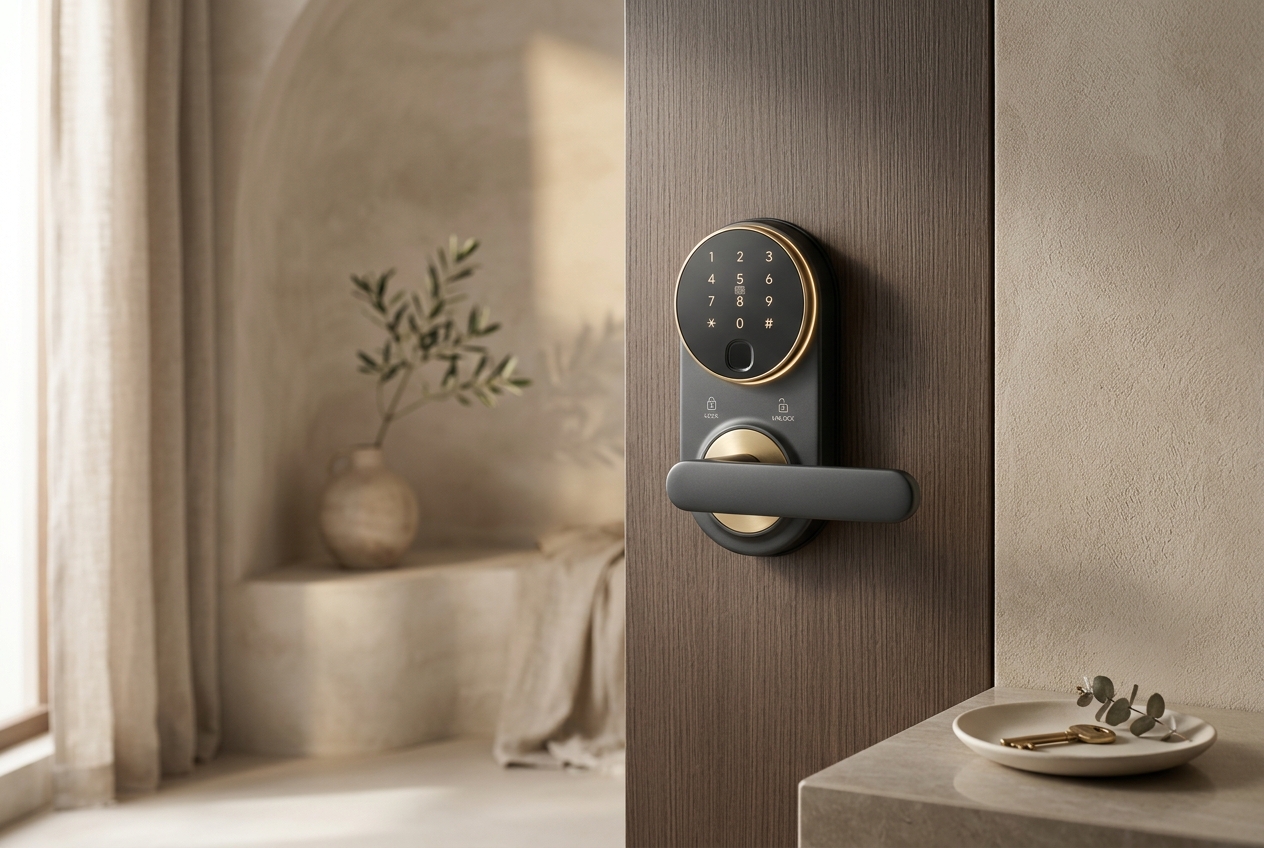
When assessing smart locks, B2B buyers prioritize factors like fingerprint recognition, app ecosystem compatibility, and installation support. As John Peterson, a security consultant, states: “The paramount importance is ensuring interoperability across devices and platforms.” Buyers should focus on suppliers who offer robust firmware, app integration through platforms like TTLock and Tuya, and quality certifications such as ANSI/BHMA. A comprehensive after-sales service is another determining factor, as it assures product reliability and supplier accountability.
Compliance, Standards, and Technical Considerations
Compliance with standards such as CE, FCC, and RoHS is critical for importers and distributors. Beyond meeting regulatory requirements, smart lock solutions that integrate seamlessly with existing door styles, including mortise and deadbolt configurations, are highly valued. The company’s commitment to rigorous product testing and certification ensures that locks perform reliably under varied environmental conditions, offering peace of mind to project integrators.
Selecting the Right Smart Lock for Diverse Applications
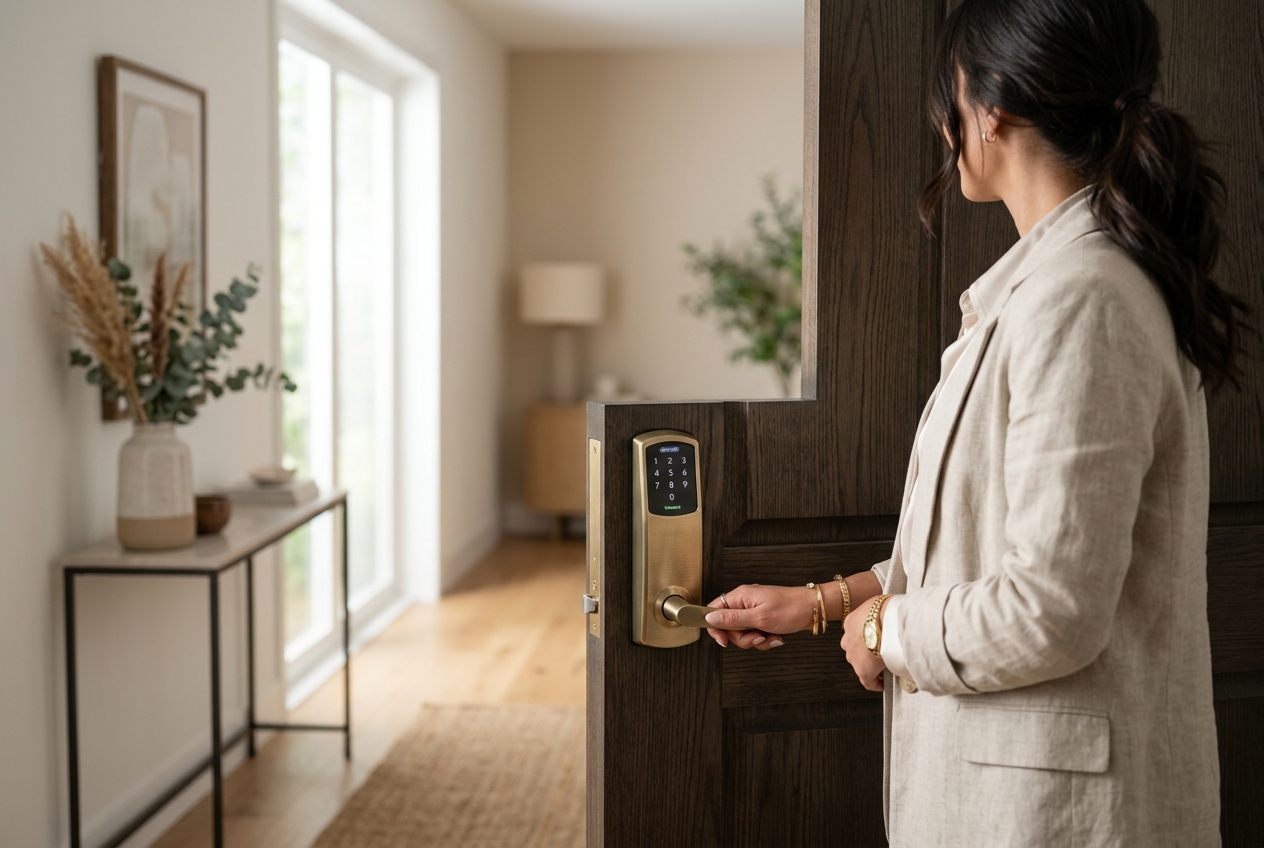
For businesses managing residential, hotel, or rental property projects, selecting the right smart lock solution involves considering installation environments, user management needs, and compliance factors. A focus on integrated software ecosystems with app control facilitates seamless user access management, reducing operational friction. The presence of features like RFID access, temporary PINs, and mechanical key backups ensures adaptability across different use cases, strongly supporting procurement decisions.
Strategic Sourcing and OEM/ODM Partnership Value
A strategic partnership with experienced smart lock manufacturers introduces numerous advantages. Efficient collaboration facilitates customization, compliance adherence, and streamlined project execution. As industry analysis predicts a surge in smart home platform integration efforts, manufacturers with a robust OEM/ODM model will play a crucial role in reducing go-to-market cycles and enhancing return rate reductions. Investing today could align business strategies with future technological trends.
Frequently Asked Questions
What is the best smart lock for a home?
The best smart lock for home use is one that combines reliability, user-friendly app control, and robust security features. According to Consumer Technology Association (2023), smart locks with biometric authentication provide enhanced security and convenience. Ensuring compatibility with existing doors and security systems is essential for optimal performance. Buyers should also consider suppliers offering comprehensive installation support and certifications like CE and FCC.
What are the downsides of smart locks?
While smart locks offer advanced features, potential downsides include dependency on electrical power and cybersecurity risks. Industry experts recommend solutions with strong encryption protocols and fail-safes like mechanical key access (Deloitte, 2023). Long-term reliability and consistent product updates are key considerations for managing vulnerabilities effectively.
Is Schlage or Kwikset better?
Preferences between Schlage and Kwikset depend on specific project needs, with both brands offering unique advantages. Industry nuances related to compatibility with residential or commercial project specifications, along with app ecosystem integration, are critical factors in decision-making. John Peterson states: “Direct supplier evaluations focusing on technical compatibility and brand support ensure better procurement outcomes.”
Do smart locks work without Wi-Fi?
Smart locks can function without Wi-Fi by leveraging Bluetooth or Zigbee connectivity options. According to Market Insights (2023), these alternatives provide secure local control even in offline environments. Buyers are advised to evaluate additional gateway and app control support to enhance operational flexibility and security.
Best smart locks with fingerprint scanning keypads: Consumer Reports?
Consumer Reports highlight that smart locks with fingerprint scanning offer heightened security and ease of access. Buyers should focus on suppliers offering comprehensive biometric options alongside reliable app control mechanisms. As industry trends evolve, integrating advanced recognition technologies with app ecosystem support remains critical for maximizing marketplace appeal.
Best smart door locks 2026?
Looking ahead to 2026, smart locks will likely feature enhanced biometric capabilities, cloud-based management, and improved app ecosystem integration. For distributors and project buyers, focusing on long-term partnerships with manufacturers that offer OEM/ODM flexibility can align procurement strategies with anticipated technological advancements.